
Andhra Pradesh
The Historical Journey of Andhra Pradesh
1. The Ancient Era & The Rise of Buddhism (2nd Century BCE – 3rd Century CE)
**The Satavahana Dynasty: The first major political power to unite the region. They ruled a massive empire across the Deccan Plateau from their capitals at Dharanikota and Amaravati. They established wealthy maritime trade routes with the Roman Empire.
Here is a comprehensive overview of Andhra Pradesh, covering its geography, cultural heritage, economy, major cities, and top tourist attractions:
Overview
Andhra Pradesh is located on the southeastern coast of India. Bounded by the Bay of Bengal to the east, Tamil Nadu to the south, Karnataka to the west, Telangana to the northwest, and Chhattisgarh and Odisha to the northeast, it features the second-longest coastline among Indian states (974 km).
- Capital: Amaravati is the designated capital city, while Visakhapatnam serves as the largest financial and commercial hub.
- Official Language: Telugu, one of India’s classical languages, with a rich literary history spanning over two millennia.
Geography & Climate
- Topography: The state is broadly divided into coastal plains along the Bay of Bengal (Coastal Andhra) and interior plateaus (Rayalaseema), flanked by sections of the Eastern Ghats mountain range.
- River Systems: It is shaped by major perennial rivers, prominently the Godavari and the Krishna, which form expansive, fertile deltas often referred to as the “Rice Bowl of India”.
- Climate: Typically tropical, with hot summers (March–June), the southwest monsoon season (July–September), and mild, pleasant winters (December–February).
Economy & Industry
- Agriculture & Aquaculture: Agriculture is the backbone of the economy, producing large yields of rice, sugarcane, cotton, tobacco, and chilies. The state is also a leading national producer of mangoes and ranks first across India in fish and shrimp aquaculture.
- Minerals & Energy: It holds massive reserves of minerals, including barytes, limestone, and mica, alongside natural gas and oil reserves in the Krishna-Godavari basin. It is also a rapidly growing hub for renewable solar and wind energy.
Culture & Traditions
- Dance and Music: Kuchipudi, one of India’s classical dance forms, originated in the Krishna district of the state. Carnatic music traditions are deeply rooted here, influenced by legendary composers.
- Cuisine: Known for its bold, spicy flavors, Andhra cuisine features specialties like Hyderabadi-style influences, tangy tamarind gravies, Pulihora (tamarind rice), and regional sweets such as Pootharekulu and Bandar Laddu.
- Handicrafts: Renowned geographical indications include Kondapalli toys (carved from soft wood), Etikoppaka lacquerware, and handwoven Dharmavaram and Mangalagiri silk/cotton sarees.
Key Tourist Destinations & Heritage
- Tirupati: Home to the world-famous Sri Venkateswara Swami Temple atop the Tirumala Hills, one of the most visited and richest pilgrimage centers globally.
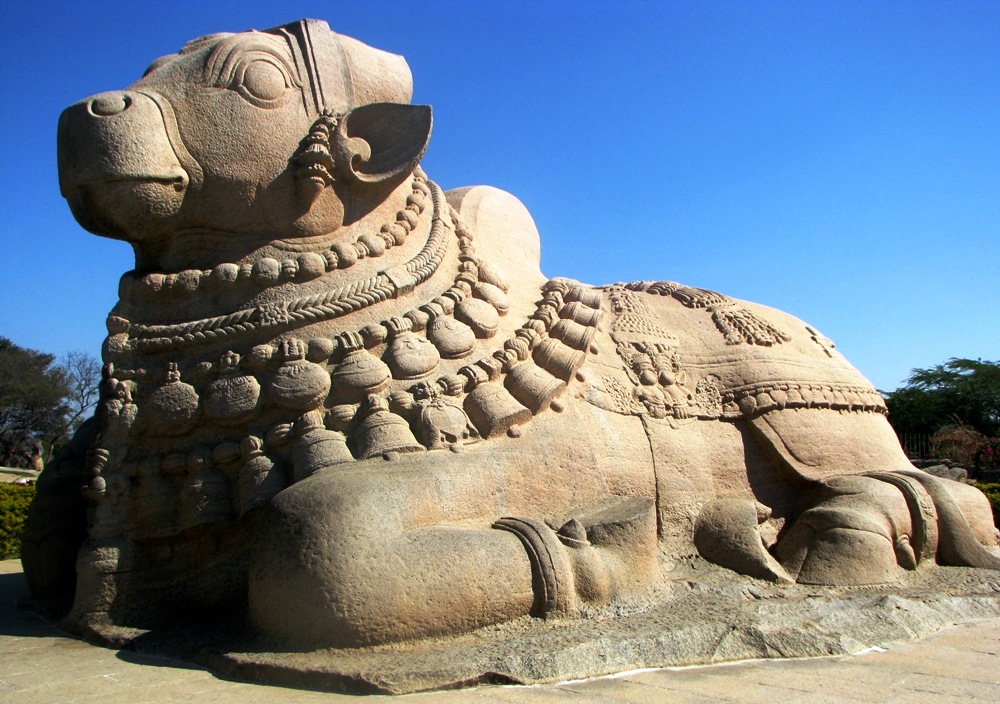
- Lepakshi: A 16th-century architectural masterpiece from the Vijayanagara era, famous for its intricate stone carvings, monolithic Nandi bull, and the famous “hanging pillar”.
- Visakhapatnam (Vizag): A coastal city offering scenic beaches (like Rishikonda and RK Beach), submarine museums, and proximity to the hill station of Araku Valley and the deep Borra Caves.
- Amaravati: An ancient historical and Buddhist site featuring ancient stupas and monastic ruins dating back over two millennia.
- Srisailam: Located in the Nallamala Hills, it houses the sacred Mallikarjuna Swamy Temple (one of the 12 revered Jyotirlingas) alongside a major tiger reserve.