
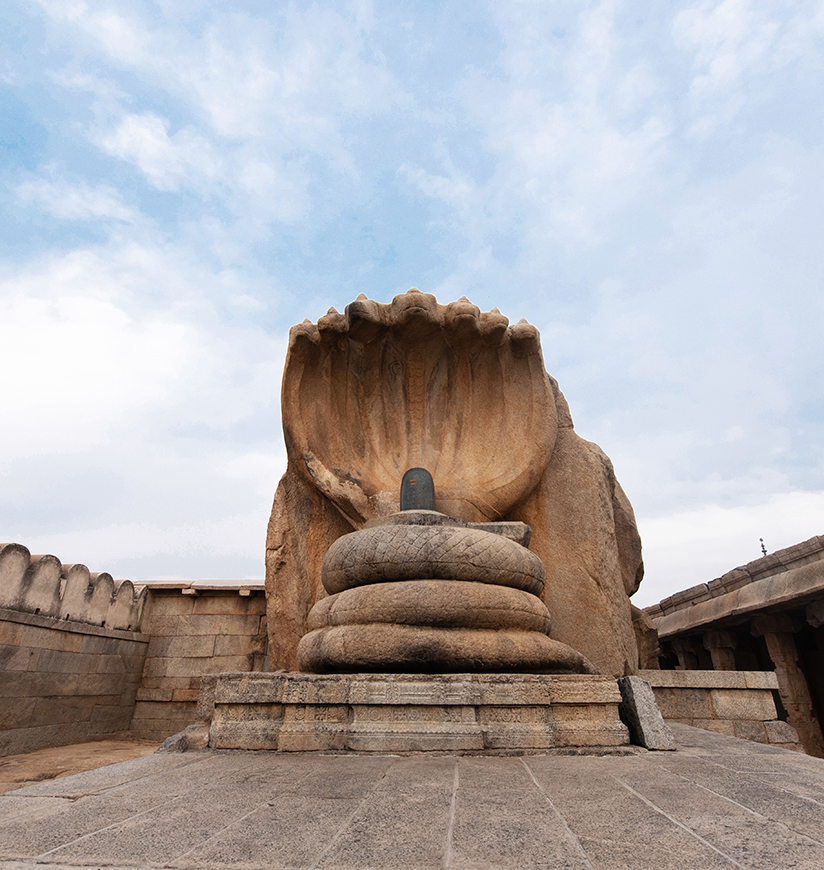
Lepakshi
Historical Context of Lepakshi
Located in the Anantapur district of Andhra Pradesh, India, Lepakshi is a small village of immense historical, architectural, and religious significance. Dating back to the 16th century, the site is a profound testament to the artistic heights of the Vijayanagara Empire.
1. The Mythological Origins
According to the ancient Indian epic, the Ramayana, Lepakshi is the spot where the giant demi-god bird Jatayu fell after being wounded by Ravana while trying to rescue Goddess Sita.
When Lord Rama reached the spot and saw the brave bird, he compassionately said, “Le Pakshi” (which translates to “Rise, Bird” in Telugu). This gave the village its name.
2. The Vijayanagara Architecture
The core historical monuments—primarily the Veerabhadra Temple—were built between 1530 and 1545 AD by two brothers, Virupanna and Veeranna, who were high-ranking governors under the Vijayanagara King, Achyutaraya.
The Masterpieces: The temple complex is internationally renowned for its exquisite stone carvings, monolithic structures, and sprawling, vibrant ceiling frescoes that depict scenes from the Puranas, the Mahabharata, and the Ramayana.
The Monolithic Nandi: About 200 meters before the temple stands a massive Nandi (Lord Shiva’s bull) carved out of a single granite stone. Measuring 15 feet high and 27 feet long, it is one of the largest monolithic Nandis in the world