
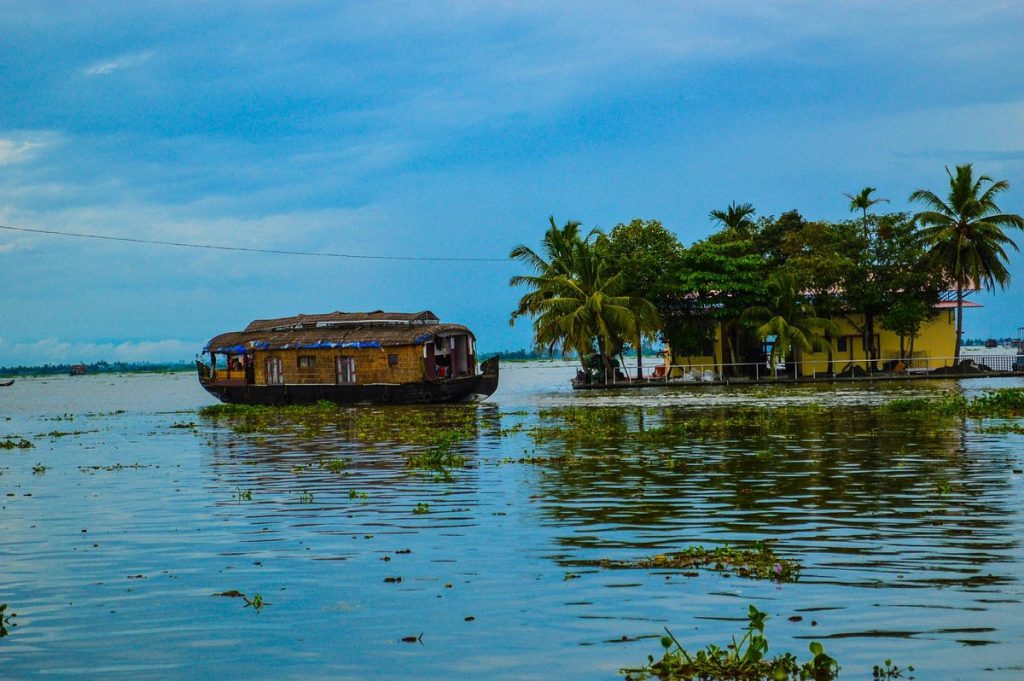
Punnamada Lake / punnamada kayal
Punnamada Lake (also known locally as Punnamada Kayal) is a breathtaking extension of the massive Vembanad Lake, the longest lake in India and the largest wetland ecosystem in the country. Situated in the heart of Alappuzha (Alleppey), Punnamada is deeply woven into the cultural, historical, and economic fabric of Kerala’s backwater country.
Historical Background
The history of Punnamada Lake transitions from an ancient maritime trade highway to a stage for legendary royal rivalries, before ultimately evolving into a world-famous arena for water sports.
1. The Ancient Trade Route
Centuries ago, long before modern roads existed, Punnamada Lake served as a crucial aquatic highway. The lake connected the interior agricultural powerhouse of Kuttanad (the “Rice Bowl of Kerala”) with the coastal ports. Large traditional cargo boats (Kettuvallams) glided across its waters to transport tons of spices, coir, and paddy to trading ports like Purakkad and later Alappuzha, which blossomed into a major commercial hub under the administration of Raja Kesavadas in the late 18th century.
2. The Era of Royal Naval Wars (400 Years Ago)
The iconic Chundan Vallams (Snake Boats) that grace the lake today were not built for sport—they were originally deadly warships. In the 15th and 16th centuries, the local feudal principalities of the region—including Chempakasseri (Ambalappuzha), Kayamkulam, Thekkumkoor, and Vadakkumkoor—frequently fought naval battles across these backwaters.
The King of Chempakasseri suffered heavy losses against rival navies because his war boats were too slow. He commissioned a legendary master boat architect, Koduppunna Venkitanarayanan Asari, to design a faster vessel. The result was the sleek, aerodynamic snake boat. Measuring over 100 feet long with a raised prow resembling a hooded serpent, it could hold over 100 warriors, glide at lightning speeds, and easily hide behind hanging bushes on the riverbanks to launch ambush attacks.
The Historic Turning Point: 1952
The lake’s modern identity was cemented in 1952 during an impromptu visit by India’s first Prime Minister, Pandit Jawaharlal Nehru.
Nehru traveled from Kottayam to Alappuzha by boat through the Kuttanad backwaters, accompanied by a magnificent, rhythmic procession of snake boats. Thrilled by the sight, an impromptu race was conducted in his honor, and the Nadubhagam Chundan boat won.
In a burst of pure excitement, Nehru broke all security protocols and leaped into the winning boat, singing and dancing along with the oarsmen to the rhythm of the Vanchipattu (boat songs). Upon returning to New Delhi, he sent back a striking silver trophy—a replica of a snake boat on a wooden abacus. This gesture birthed the legendary Nehru Trophy Boat Race, celebrated on the second Saturday of August every year.