
Igatpuri
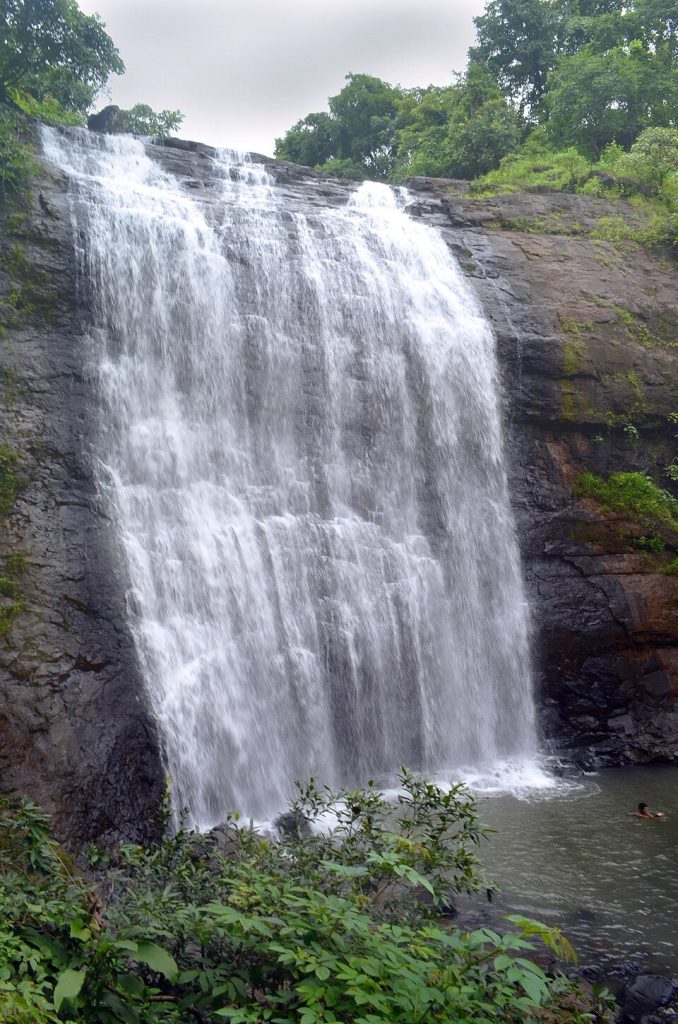
Encircled by the grandest peaks of the Sahyadri range (Western Ghats), Igatpuri is a misty mountain town in the Nashik district of Maharashtra. Famous for its dramatic waterfalls, deep gorges, and ancient trekking routes, it serves as a massive relief from urban chaos.
The History of Igatpuri
The history of Igatpuri (historically referred to in colonial records as Egutpoora) is a fascinating mix of ancient dynastic strategy and British industrial engineering.
1. The Ancient Satavahana Era
Igatpuri’s history dates back thousands of years. Because it is located right at the gap of the Western Ghats mountain barrier, it served as a vital transit and trade route connecting the fertile Deccan Plateau to the wealthy ports of the Arabian Sea. During the Satavahana Dynasty (around 2nd Century BCE to 2nd Century CE), several massive hill forts were carved out of the rugged peaks to guard these mountain passes. The most prominent example is Tringalwadi Fort, featuring rock-cut caves that housed soldiers and traders. Over the centuries, control of these strategic pathways shifted between the Yadavas, the Bahmani Sultanate, the Mughals, and eventually the Marathas.
The British Railway Boom (Thal Ghat)
The modern town of Igatpuri owes its development entirely to the expansion of the Great Indian Peninsula Railway (GIPR) in the 1860s. The British faced a massive engineering challenge: how to lay tracks over the treacherous Thal Ghat, a steep incline rising nearly 1,000 feet in just a few miles.
Once the complex incline tracks were completed, Igatpuri became a crucial railway technical hub. Historically, all trains climbing up from Mumbai had to stop here for a long duration to switch heavy locomotive engines, change drivers, and adjust braking systems before proceeding toward Northeast India. The British built a charming railway colony here, transforming the cool-climate town into a summer retreat for colonial officers.
Spiritual Revival (1976)
In 1976, the legendary teacher S.N. Goenka chose the tranquil, fog-covered hills of Igatpuri to establish Dhamma Giri (The Vipassana International Academy). Today, its majestic golden pagoda is a major landmark, and it stands as one of the largest ancient meditation centers in the world, shifting Igatpuri’s identity from a British railway town into a global hub for inner peace.