
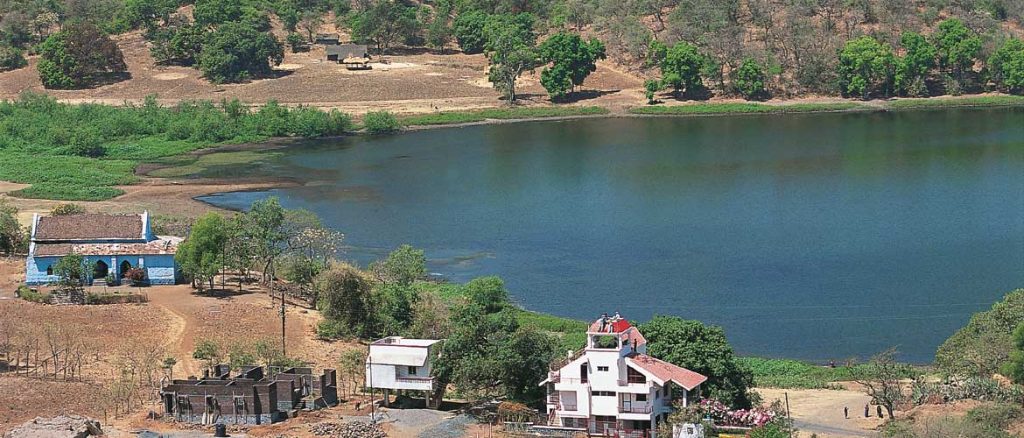
Toranmal
Tucked away in the towering Satpura mountain range within the Nandurbar district, Toranmal is one of Maharashtra’s most secluded, untouched, and rustic hill stations. Sitting at an elevation of 1,150 meters, it is fondly celebrated as the “Queen of Khandesh” and is known for its serene lakes, unique tribal heritage, and cool plateau air.
The History of Toranmal
Toranmal’s history stands out sharply from other Maharashtra hill stations because it is rooted heavily in indigenous tribal culture and ancient mythology, rather than British colonial development.
1. The Kingdom of the Torana Tree
The name Toranmal comes from the local tribal words “Torana” (a native medicinal plant/shrub that grows abundantly on these hills) and “Mal” (meaning a plateau or highland).
For centuries, this isolated plateau was the seat of a powerful indigenous tribal kingdom. The local tribal communities—primarily the Bhil and Pawara tribes—worshipped Goddess Torana Devi, a guardian deity of the mountains. They carved an ancient temple dedicated to her on the plateau, and she remains a central figure of worship, symbolized by a traditional wooden Torana (garland/welcome arch) during major festivals.
2. Mythological Links (The Mahabharata)
Similar to Chikhaldara, Toranmal holds a deep place in local Mahabharata folklore. Ancient stories suggest that this plateau region was part of the ancient kingdom of Mahishmati (frequently mentioned in epic literature). Local tribal lores associate various natural rock structures and water bodies on the plateau with the travels and resting camps of the Pandavas during their exile into the central Indian forests.
3. The Shift to an Eco-Retreat
Because Toranmal is geographically located at the far northwestern tip of Maharashtra, bordering Madhya Pradesh and Gujarat, it remained safely out of reach of heavy British modernization. It was largely left in its natural state.
Over the years, the government developed it gently as a low-commercialized eco-tourism destination to preserve its thick forest cover (filled with valuable medicinal plants, teak, and bamboo) and to protect the cultural identity of its native inhabitants.