
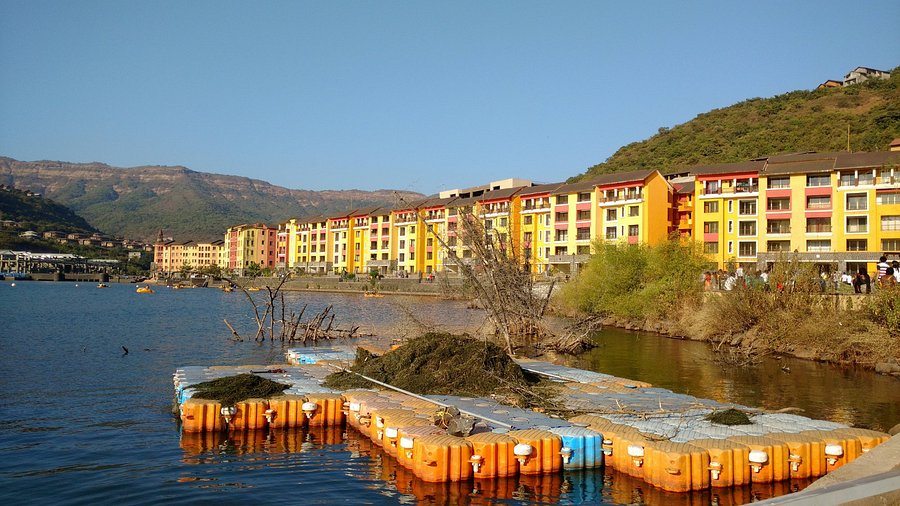
Lavasa
Lavasa, tucked away in the Sahyadri mountains of the Western Ghats near Pune, has one of the most fascinating, ambitious, and ultimately cautionary histories of any modern Indian infrastructure project.
Here is the backstory of how India’s first privately planned hill station came to be,
The History of Lavasa: Dream vs. Reality
1. The Vision (Late 1990s – 2004)
The concept of Lavasa was born in the late 1990s after the Maharashtra government promoted a policy to develop new hill stations. Industrialist Ajit Gulabchand and the Hindustan Construction Company (HCC) envisioned a massive, self-contained private metropolis spanning over 25,000 acres across 18 tribal villages.
The master plan, designed by the American design consultant firm HOK, was deeply inspired by Portofino, a picturesque, colorful coastal town in Italy. The idea was to build four to five interconnected towns over seven hills where 300,000 people could “live, work, learn, and play” using high-tech urban planning like GIS mapping and biomimicry.
2. The Golden Era & Architectural Launch (2004 – 2010)
Construction began in earnest in the mid-2000s, focusing on the first lakeside town, Dasve. Lavasa quickly caught the attention of urbanists and wealthy buyers. Tourists flocked to see the colorful, Mediterranean-style buildings, pristine cobblestone lakeside promenades, luxury hotels, and water sports on the Warasgaon Lake. It won international awards for landscape and urban design.
3. The Roadblocks & Legal Quagmire (2010 – 2018)
The dream began to unravel in late 2010. The Ministry of Environment and Forests (MoEF) ordered a complete halt to construction, citing severe violations of environmental laws, unapproved hill-cutting, and quarrying in the ecologically fragile Western Ghats.
Simultaneously, major controversies surfaced regarding land acquisition, with allegations that hundreds of hectares of land had been improperly or forcefully acquired from local Adivasi (tribal) farmers. Though some environmental clearances were later granted with strict conditions, the year-long construction freeze broke the project’s financial back. Debt piled up, investors backed out, and the project ground to a halt.
4. Bankruptcy & Transition (2018 – Present)
By 2018, Lavasa Corporation was forced into the Corporate Insolvency Resolution Process due to massive defaults on its multi-crore loans. For years, it sat in a state of limbo, with incomplete buildings earning it the reputation of a modern “ghost town.”
The National Company Law Tribunal (NCLT) approved a resolution plan by Darwin Platform Infrastructure Ltd to take over, settle dues, and restart construction. Today, while parts of it function as a quiet weekend tourist getaway with an active local population, it remains a symbol of the complex balance between aggressive urban ambition and environmental preservation.