
Malvan
Malvan, the historical and cultural heart of the southern Konkan coast in Maharashtra, is a vibrant port town that blends military might, pristine nature, and world-renowned culinary heritage. While Tarkarli acts as its peaceful beach extension, Malvan town itself holds the deep roots of Maratha naval history and ancient coastal commerce.
The History of Malvan: The Salt and The Shield
1. Etymology: The Salt Region
There are two popular historical theories behind the name “Malvan”:
- Maha-Lavan: The most accepted root comes from the Sanskrit/Marathi words Maha (Great) and Lavan (Salt). Historically, Malvan’s coast was vast marshy land producing massive quantities of high-quality salt. Over time, Mahalavan collapsed phonetically into Malvan.
- Melvan: Another regional lore suggests it refers to the “meeting point” (Mel) of eight different small coastal villages that eventually clustered together to form a major trading port town.
2. Shivaji Maharaj and the Creation of the Port (17th Century)
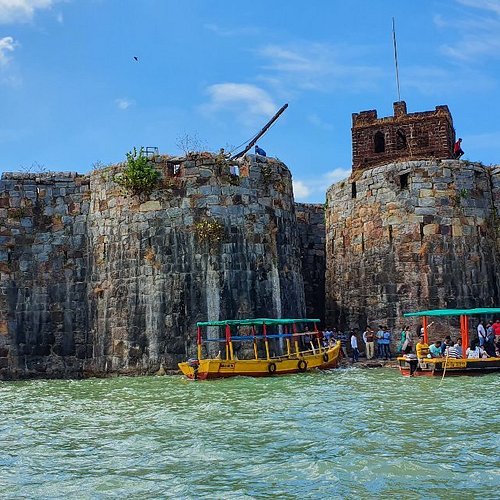
Before 1664, Malvan was a quiet collection of fishing hamlets. Its destiny changed when Chhatrapati Shivaji Maharaj selected its rocky shores to build the grand Sindhudurg Fort.
To build an island fortress capable of withstanding the ferocious Arabian Sea and heavy cannon fire, Shivaji Maharaj transformed Malvan into a massive, booming logistics center. Thousands of stone carvers, blacksmiths, architects, and sailors moved to Malvan. A dedicated shipyard was created along the shore to construct smaller, agile Maratha warships like Gurabs and Galbats. Malvan quickly evolved from a remote coast into a heavily fortified naval shield for the Maratha Empire.
3. The Era of the Maratha Admirals & British Invasions
Following Shivaji’s reign, Malvan remained a key stronghold. However, during the 18th century, the regional Maratha rulers of Kolhapur used Malvan’s naval fleet to aggressively intercept foreign merchant ships that refused to pay local sea customs taxes. This led the British East India Company to officially declare the entire area the “Pirate Coast.”
Determined to stop these raids and control trade heading toward Goa and Mumbai, the British launched multiple naval expeditions. They captured Malvan in 1765, lost it back to regional treaties, and finally annexed it permanently in 1812, dismantling its defensive military power but leaving the port open for regional trade.