
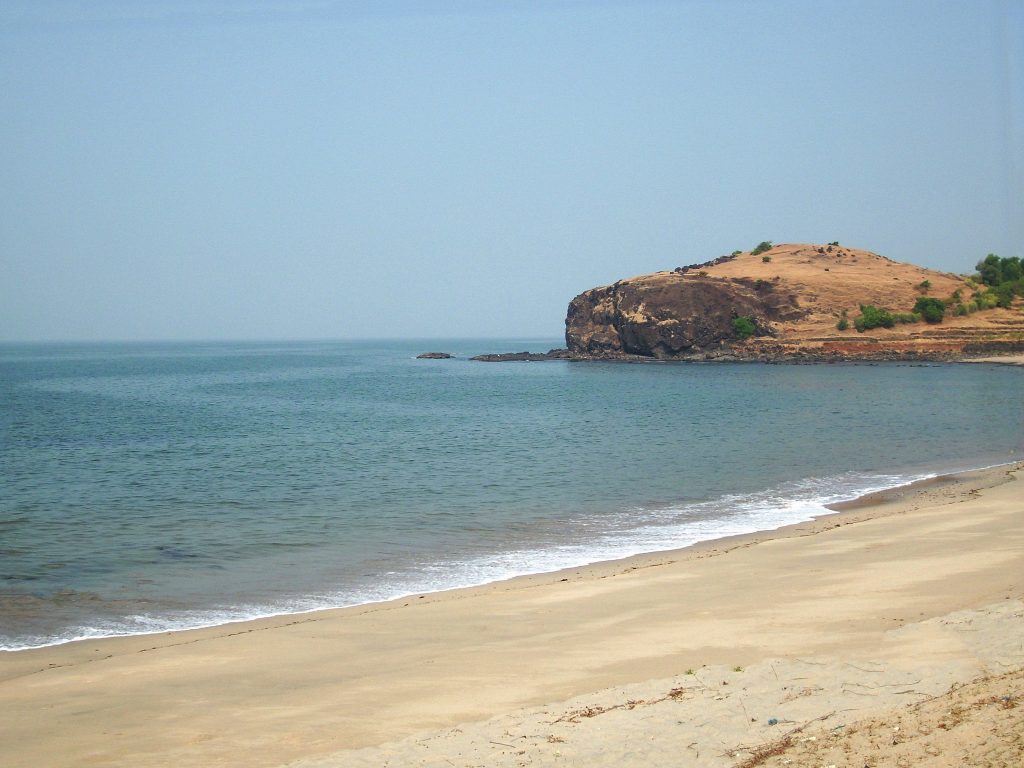
Diveagar
Diveagar is a peaceful, picturesque coastal village in the Shrivardhan taluka of Raigad district, Maharashtra. Unlike the sprawling military fortifications of Ratnagiri and Sindhudurg, Diveagar’s history is deeply anchored in ancient maritime trade, hidden treasures, and its legendary temple heritage.
Historical Background
Diveagar’s past is a story of rich merchant guilds, medieval dynasties, and unexpected archaeological discoveries.
1. Ancient Maritime Trade (The Shilahara Era)
Diveagar’s history as a prominent trade settlement dates back more than 1,000 years. Between the 9th and 13th centuries, the region was governed by the Shilahara Dynasty of North Konkan.
- The Ports: Diveagar sits close to historic ports like Shrivardhan and Rajapuri. Merchant ships from Arab nations, Africa, and parts of Europe sailed into these waters to trade in spices, textiles, and coconuts.
- The Copper Plates (Tamrapat): Two ancient Sanskrit-inscribed copper plates found in the region (dating back to 1053 CE and 1060 CE) document that the Shilahara King, Mummuniraja, established local self-governance bodies here, exempting residents from certain hospitality taxes. One of these is considered among the earliest written records found in the coastal region.
2. The Legend of the Hidden Idol (The Suvarna Ganesh)
During the medieval era, the wealthy coastal villages of the Konkan were frequent targets for pirates and foreign invaders. To protect their sacred temple artifacts from destruction, the local priests and villagers buried their most valuable idols underground.
For hundreds of years, these treasures lay forgotten beneath the dense plantations of coconut and betel nut trees (Wadis)—until a legendary discovery in the late 20th century put Diveagar on the global tourism map.
3. The 1997 Miracle
On November 17, 1997 (coincidentally on the auspicious day of Sankashti Chaturthi), a local woman named Draupadi Patil was digging in her family’s betel nut grove when her shovel hit a heavy metal object.
Villagers gathered to unearth a massive, mud-covered copper box weighing nearly 30 kg. When opened at noon, it revealed:
- A stunning, 300-to-400-year-old sculpture/mask of Lord Ganesha crafted from pure 24-carat gold, weighing 1.3 kg.
- An assortment of ancient gold ornaments meant to adorn the deity.
The discovery transformed Diveagar from a quiet, unnoticed fishing village into a major pilgrimage hub known as the Suvarna Ganesh Temple.
4. The Tragic 2012 Robbery
In a shocking turn of events on March 24, 2012, armed thieves raided the temple, tragically killing two security guards and stealing the priceless ancient gold idol. The thieves melted the original artifact, causing immense heartbreak to the community.
However, the spirit of the village remained unbroken. A new, beautiful replica idol was consecrated, and security was heavily tightened. To this day, thousands of devotees continue to visit the shrine to pay their respects.