
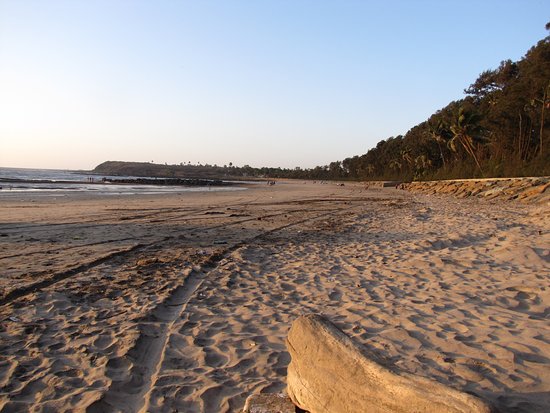
Manori and Gorai

Manori and Gorai

Manori and Gorai are two historic, adjacent coastal villages located on the Dharavi Island peninsula in northern Mumbai. Though heavily integrated into modern Mumbai’s landscape, they have retained a distinct cultural and historical identity that sets them apart from the mainland city.

Historical Content

​1. The Portuguese Legacy & East Indian Culture

​The defining chapter of Manori and Gorai’s history began in the 16th century with the arrival of the Portuguese. The region became part of Portuguese Bassein (now Vasai).

  • ​Franciscan and Jesuit missionaries heavily active in the area converted the local agricultural (Koli and Agri) populations to Roman Catholicism.
  • ​When the British later took control of Bombay’s seven islands, these native Catholic communities under British rule chose to call themselves “East Indians” to distinguish themselves from Goan or Mangalorean Catholic immigrants who arrived later.
  • ​Landmark churches like the Maji Mauli Church (Our Lady of Perpetual Succour) in Manori and Reis Magos Church (Three Wise Kings) in Gorai date their roots back to this era, exhibiting distinct Portuguese-Gothic architectural influences.

​2. Maratha Conquest (1739)

​In 1739, the Maratha Empire, led by Peshwa Baji Rao’s brother Chimaji Appa, successfully waged war against the Portuguese to conquer the Bassein region, which included Gorai and Manori. Under Maratha administration, religious freedom was restored, but the unique Luso-Indian (Portuguese-Indian) language, culinary blend, and lifestyle cultivated by the locals remained deeply intact.

​3. Transition to Modern Mumbai

​For centuries, these villages remained quiet, isolated islands reliant purely on salt panning, fishing, and palm-liquor tapping. It was only with the construction of connecting bridges and the establishment of local ferry services across the Manori Creek from Marve/Borivali that they transformed into the quick-getaway coastal resorts known today.

FAQs

Why do Manori and Gorai look so different from the rest of Mumbai?
Because they were historically isolated by the Manori Creek, they escaped the dense high-rise urbanization of mainland Mumbai. They are predominantly populated by the East Indian community, featuring old-style Portuguese cottages, narrow lanes, dense coconut groves, and a much slower village lifestyle (gaothan style).
What is the Global Vipassana Pagoda in Gorai?
It is one of modern Mumbai’s most prominent architectural landmarks. Opened in 2009, it is a massive meditation hall built as a tribute to Sayagyi U Ba Khin. The structure features the world's largest stone dome built without any supporting pillars and is modeled after the Shwedagon Pagoda in Myanmar.
How do you travel to Manori and Gorai?
There are two primary ways: ​Via Ferry (Fastest from mainland): To reach Manori, take a ferry from Marve Beach in Malad (takes ~5–10 minutes). To reach Gorai, take a ferry from the Gorai Creek Jetty in Borivali. ​Via Road: You can drive all the way around through Bhayandar via the Uttan Road, though this route takes significantly longer if you are traveling from South or Central Mumbai.
Are the beaches safe for swimming?
While the beaches are highly popular for sunset walks, picnics, and beach-side resorts, swimming is generally discouraged. The beaches (especially Gorai) have quicksand patches and sudden drops, coupled with strong undercurrents during high tides.
What are the major things to do there?
​EsselWorld & Water Kingdom: One of India's earliest and most well-known amusement/water parks is located right in Gorai. ​Resort Getaways: Manori is famous for beachside cottages and shacks that families rent out for weekend stays. ​Explore East Indian Cuisine: Try authentic local preparations like Fugias (sweet, balloon-like fried bread) and traditional fish curry made using local East Indian bottle masala.

Price From : ₹4500/-

Address

Near Avaloormadam temple, thathampally po, pin code 688013, Alleppey, Kerala, India