
Mahad
Located in the Raigad district of Maharashtra, Mahad is a city of immense historical pride. Unlike many destinations that are known for just one specific era, Mahad bridges two monumental chapters in Indian history: the glorious rise of the Maratha Empire under Chhatrapati Shivaji Maharaj and the modern Social Justice Movement led by Dr. B.R. Ambedkar.
Historical & Social Heritage
The Capital Suburb of the Maratha Empire
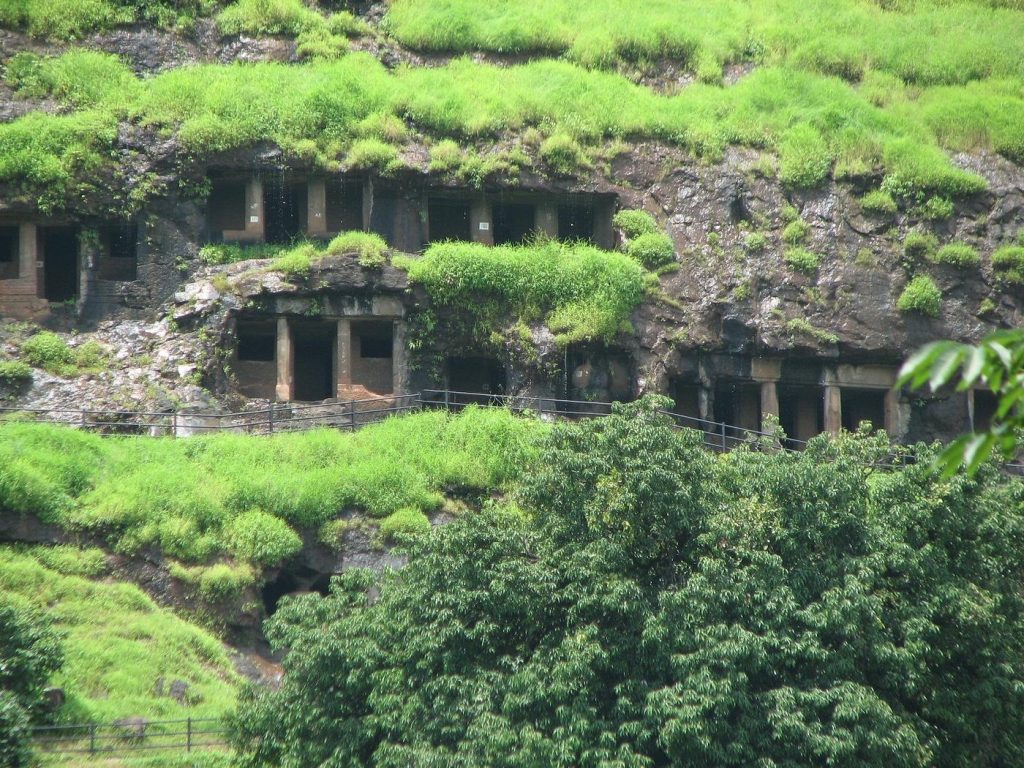
During the 17th century, Mahad served as a critical economic and strategic gateway. Because it sits at the base of the Sahyadri mountains and lies incredibly close to Raigad Fort (the capital of Chhatrapati Shivaji Maharaj’s empire), Mahad was the primary trading hub for the fort. The markets of Mahad supplied provisions to the royal court, and the nearby Gandharpale Caves served as defensive watchpoints along the ancient trade routes leading to the Konkan coast.
The Varadvinayak Temple (Ashtavinayak Circuit)
Mahad holds a sacred position for spiritual travelers as the home of the Shree Varadvinayak Temple, the fourth destination in the revered Ashtavinayak pilgrimage.
The history of this temple is deeply tied to local legends:
- The Legend: According to ancient scriptures, a rishi named Gritsamada fiercely meditated here. Ganesha was so pleased by his devotion that he granted a boon (Varada), promising to stay at this site forever as the fulfiller of wishes.
- The Re-discovery: The Swayambhu (self-manifested) idol was found immersed in a nearby lake by Subhedar Ramji Mahadev Biwalkar in 1690. He subsequently built the temple structure in 1725. A unique feature of this temple is that an oil lamp (Nanda Deep) has been kept burning continuously inside the sanctum for hundreds of years.
The Mahad Satyagraha (1927)
In modern history, Mahad is globally recognized as the cradle of India’s civil rights movement. On March 20, 1927, Dr. B.R. Ambedkar led the historic Mahad Satyagraha (also known as the Chavdar Tale Satyagraha).
Before this event, untouchables were strictly forbidden from using water from public tanks. Dr. Ambedkar marched to the Chavdar Tale (Tasty Lake) in Mahad, scooped up water, and drank from it. This simple act was a profound assertion of basic human rights and equality. March 20th is celebrated across India as Social Empowerment Day to honor this stand against caste discrimination.