
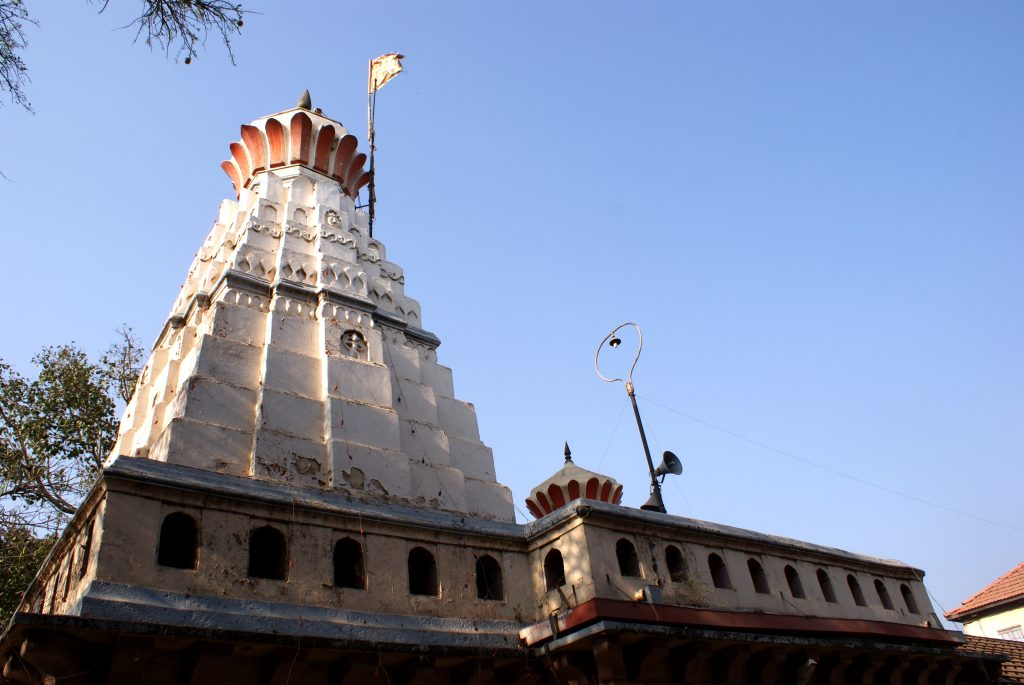
Theur
Situated just 25 kilometers east of Pune at the confluence of the Mula-Mutha and Bhima rivers, Theur is one of the most culturally revered destinations in Maharashtra. It is home to the Shree Chintamani Temple, the fifth shrine in the sacred Ashtavinayak pilgrimage, and holds a deeply poignant place in the history of the Maratha Empire.
Historical & Mythological Heritage
The Legend of the Chintamani Jewel
According to ancient Puranic text, the greedy prince Guna (also known as Gunasura) stole the magical, wish-fulfilling Chintamani jewel from the sage Kapila. Desperate to recover it, Sage Kapila prayed to Lord Ganesha for assistance.
Ganesha intervened, battling the prince beneath a massive Kadamba tree at this very spot and successfully reclaiming the jewel. However, when Ganesha returned the gem, Sage Kapila was so filled with devotion that he begged Ganesha to keep it and remain on the site forever. Ganesha agreed, taking the name Chintamani—the protector who unties the knots of the mind and relieves human worries.
The Spiritual Sanctuary of the Peshwas
While the temple’s mythological roots are ancient, its physical structure and political prominence peaked during the 18th century under the Peshwas, the Prime Ministers of the Maratha Empire. Theur was the favorite retreat of the royal family, who treated Chintamani as their family deity (Kuladevata).
- Madhavrao Peshwa I: The great general and ruler spent his final days at Theur. Suffering from tuberculosis and exhausted by political strife, he found solace in meditating at the temple. He passed away within the temple complex in 1772.
- Ramabai’s Sati: Following Madhavrao’s death, his deeply devoted wife, Ramabai, committed Sati (self-immolation on her husband’s funeral pyre) on the banks of the river in Theur. A beautiful memorial (Samadhi) stands there today, honoring their tragic love story and legacy.
- Architectural Expansion: The grand wooden assembly hall (Sabhamandap) was built by Madhavrao Peshwa. Later, Bajirao Peshwa II constructed a massive fountain in the courtyard and added a large European-styled bell, which had been captured from the Portuguese during the Battle of Vasai.