When is the absolute best time to visit Malshej Ghat?
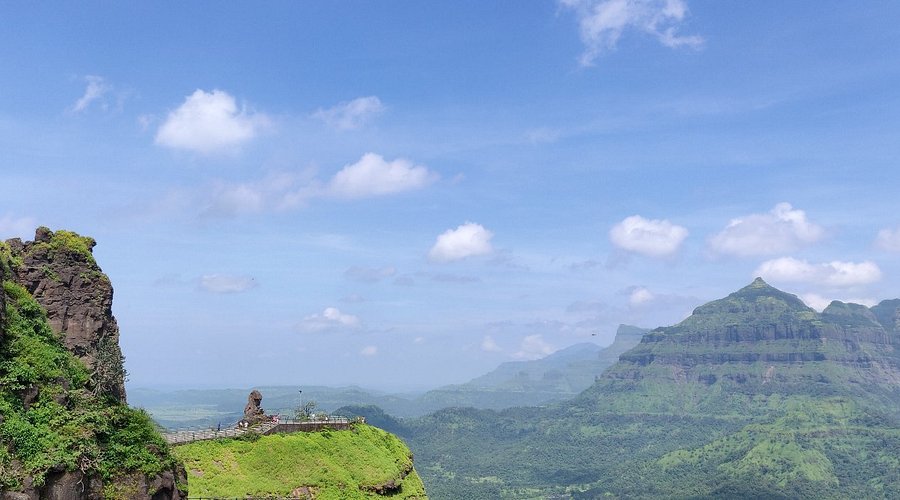
The monsoon season (July to September) is the prime time to visit. The entire ghat gets enveloped in thick fog, the valleys turn a brilliant velvet green, and hundreds of roadside waterfalls break out along the mountain curves.
Is it true that Flamingos visit Malshej Ghat?
Yes. Between July and September, the nearby mudflats and shallow waters of the Pimpalgaon Joga Dam become a seasonal nesting ground for thousands of migratory Greater Flamingos. Birdwatchers flock here during the monsoons to see them alongside alpine swifts, whimbrels, and cuckoos.
Where is Malshej Ghat located and how do I get there by road?
It sits on the border of Thane, Ahmednagar, and Pune districts along National Highway 61 (NH 61). It is roughly 130 km from Mumbai and 120 km from Pune, making it an easy 3.5-hour drive from either city.
Is it safe to drive through Malshej Ghat during heavy rains?
While the roads are broad and well-paved, extreme caution is required during peak monsoons. The ghat experiences thick, near-zero visibility fog and occasional minor rockfalls.
Pro-Tip: Drive with fog lights or hazard lights turned on, maintain a low speed, and avoid parking your vehicle directly under loose, overhanging rock patches near waterfalls.
What are the main trekking trails around Malshej?
The most famous trails include the challenging Harishchandragad Trek (via the Khireshwar or Pachnai routes), the steep Ajoba Hill Fort climb (popular among rock climbers), and the lush hike to Kalu Waterfall (the highest waterfall in the region).
What type of accommodations are available?
Commercial development is intentionally limited to protect the local environment. The most popular place to stay is the MTDC Malshej Ghat Resort, which sits directly on the edge of the scenic valley cliff. Other options include private eco-resorts, rustic agro-tourism farmstays, and local village homestays near the trekking base points.
Create a detailed 2-day weekend travel itinerary for Malshej Ghat including waterfall viewpoints, flamingo watching, and stay recommendations?
A 2-day weekend monsoon or late-monsoon itinerary for Malshej Ghat perfectly balances foggy mountain drives, towering waterfalls, historic trekking, and birdwatching.
Day 1: Cloud-Chasing, Roadside Waterfalls, and Valley Views
Morning: The Epic Ghat Drive & Waterfall Hops
06:00 AM – 09:30 AM: Drive from Mumbai or Pune toward Malshej Ghat via the Kalyan-Ahmednagar Highway (NH 61). As you enter the mountains, the road begins to snake through deep fog and lush green cliffs.
09:30 AM – 11:30 AM: Stop along the famous Malshej Ghat Waterfall Points.
Highlights: During peak monsoons, dozens of seasonal waterfalls cascade directly onto the highway. The most iconic spot is the natural rock tunnel section where waterfalls drop right over your car. Pull over safely at designated parking bays to enjoy the heavy sprays and grab hot, roasted sweet corn (bhutta) and tea from local vendors.
Afternoon: Check-In & Cliff-Side Lunch
12:00 PM: Check into your resort. (See recommendations below).
01:00 PM – 02:30 PM: Indulge in a hot Maharashtrian lunch featuring Pithla Bhakri (a comforting chickpea flour dish served with rustic flatbread) or spicy local chicken curry, which tastes incredible in the chilly, misty weather.
03:00 PM – 05:00 PM: Head to the Malshej Cliff Viewpoint (located right behind the MTDC property). Walk along the edge of the plateau where massive wind currents literally blow water droplets upward, creating the famous "reverse waterfall" phenomenon.
Evening: Sunset Above the Clouds
05:30 PM – 07:00 PM: Walk down to the base of the nearby hills or sit out on your resort deck. The valley below alternates rapidly between being completely choked with white mist and opening up to reveal sweeping views of the Konkan plains below.
08:00 PM Onwards: Enjoy a cozy dinner at your resort and call it an early night to prepare for a fresh morning.
Day 2: Flamingo Watching & The Giant Waterfall Hike
Morning: Flamingo Spotting at Pimpalgaon Joga Dam
06:30 AM – 08:30 AM: Wake up early and drive roughly 15 km down the eastern slope toward the Pimpalgaon Joga Dam backwaters.
Highlights: This massive, serene lake becomes a crucial sanctuary for thousands of migratory Greater Flamingos. The early morning mist rising off the lake combined with flocks of pink birds wading in the shallow waters provides an unforgettable, peaceful sunrise experience. Bring binoculars or a zoom lens if you enjoy photography.
08:30 AM – 09:30 AM: Head back to your resort or a local village eatery for breakfast (Poha, Misal Pav, and coffee).
Mid-Day: The Kalu Waterfall Trail or Khireshwar Walk
10:00 AM – 01:30 PM: Depending on your fitness level, choose one of these two iconic experiences:
Option A (For Adventure Seekers): Hike to Kalu Waterfall Viewpoint. Drive to Harishchandragad's base region to witness Kalu Waterfall—the highest and most thunderous waterfall in Malshej, dropping over 1,200 feet in five distinct tiers. You can do a flat forest trek to the absolute edge of the plateau where the river drops off.
Option B (For Leisure Travelers): Walk through Khireshwar Village. Visit the base village of Harishchandragad fort. Walk past lush paddy fields, ancient stone structures, and local homes resting right under the massive, towering stone walls of the fort.
01:30 PM – 02:30 PM: Grab a hearty lunch at a local village homestay in Khireshwar or head back toward the highway resorts.
Afternoon: Departure via Junnar Architecture
03:00 PM: Check out of your stay and begin your return journey.
Optional Detour: If heading toward Pune, stop briefly by the ancient, rock-cut Buddhist Lenyadri Caves or the historic Shivneri Fort near Junnar before hitting the plains.
08:00 PM: Arrive back in Mumbai or Pune.
Where to Stay: Recommendations
Because Malshej is an ecologically sensitive zone, accommodation is concentrated in a few highly scenic zones:
MTDC Resort Malshej Ghat (Government-Run):
Why stay here: It holds the absolute best location in Malshej, perched right on the edge of the sheer valley cliff. The views of the valley from its lawns and cottages are unbeatable.
Saj By The Lake:
Why stay here: Located near the Pimpalgaon Joga Dam, this boutique resort offers an upscale, modern, and highly peaceful lakeside staycation experience with a beautiful pool and excellent multi-cuisine dining.
Local Eco-Retreats & Agro-Tourism Stays:
Why stay here: Scattered near the base villages of Khireshwar and Madh. Ideal for travelers looking for rustic wooden cottages, home-cooked Maharashtrian food, and closer proximity to trekking routes.
Critical Monsoon Packing Tips
Dry Bags: Keep multiple heavy-duty ziplock or dry bags inside your backpack to protect phones, wallets, and cameras from the heavy mountain moisture.
Extra Footwear: Bring a second pair of shoes. One pair will inevitably get completely soaked if you step out near the waterfalls or walk along the muddy lake beds.
Windcheater over Umbrella: The heavy valley winds make umbrellas completely useless. A high-quality waterproof windcheater with a hood is mandatory.
Provide a comprehensive guide for the Harishchandragad Trek from Malshej Ghat, comparing the Khireshwar and Pachnai routes?
Harishchandragad is arguably the most legendary hill fort trek in the Sahyadris. Standing at an altitude of approximately 4,670 feet (1,424 meters), this massive ancient fortress offers a mix of historic architecture, deep caverns, and jaw-dropping cliff drop-offs.
To climb Harishchandragad from the Malshej Ghat region, trekkers primarily choose between two entirely distinct routes: Khireshwar and Pachnai. Choosing the right path completely changes the difficulty, scenery, and time commitment of your trek.
Side-by-Side Comparison: Khireshwar vs. Pachnai
FeatureKhireshwar RoutePachnai Route
Difficulty LevelModerate to DifficultEasy to Moderate (Beginner-Friendly)
Trek Duration (Up)4 to 5 hours1.5 to 2 hours
Trail LandscapeSteep ridges, dense forest patches, open rock faces, and multiple mountain hills to cross.Well-defined steps, dense forest canopy, iron ladders for safety over steep rock sections.
Accessibility from MalshejExcellent: The base village sits just 15 km down the highway from the main Malshej Ghat viewpoint.Poor: Located on the opposite side of the mountain massif. Requires a long, circuitous 90 km drive around the hills from Malshej.
Water SourcesSeasonal streams and local tea stalls along the plateau.A few natural springs and village-run stalls at regular intervals.
Ideal ForSeasoned trekkers, endurance enthusiasts, and travelers looking for a raw, physically challenging mountain climb.First-time trekkers, families, and travelers whose main goal is to camp on top without an exhausting climb.
Route 1: The Khireshwar Approach (The Classic Endurance Trail)
The Khireshwar route is the historical pathway up the fort. It begins at the scenic lakeside village of Khireshwar, which sits near the backwaters of the Pimpalgaon Joga Dam.
Trail Breakdown:
The Ascent to Tolar Khind: The trek starts with a gradual incline through lush fields and dense woods, steepening as you approach the Tolar Khind mountain pass.
The Rock Patch Challenge: Right after Tolar Khind lies the most thrilling and taxing part of the trek—a nearly vertical rock wall. Iron railings are bolted into the rock to assist climbers, but it requires extreme focus, steady grip, and caution, particularly during monsoons when water gushes down the rock face.
Crossing the Seven Hills: Once you clear the rock face, you reach the massive upper plateau. However, you aren't at the temple yet. You must hike up and down over seven consecutive rolling hillocks to finally arrive at the historic core of the fort.
Route 2: The Pachnai Approach (The Short, High-Reward Trail)
The Pachnai route approaches the fort from its northern face in the Ahmednagar district. It cuts down the physical climbing time by more than half because the base village of Pachnai is already perched at a much higher altitude.
Trail Breakdown:
The Forest Walk: The trek kicks off with an easy, highly scenic walk through dense forest canopies. During the monsoons, this path is filled with small, bubbling stream crossings.
The Ladder Section: Any sheer vertical rock drops on this route have been made completely safe by the installation of sturdy iron ladders and railings maintained by local villagers.
The Gorge View: As you scale the final steps, the trail hugs the edge of a massive gorge, offering stunning views of cascading waterfalls dropping down into the valley below before popping you directly onto the temple plateau.
What to Explore at the Summit
Regardless of which route you choose, both bring you to the central plateau, which houses incredible ancient ruins:
Harishchandreshwar Temple: A magnificent 6th-century stone temple dedicated to Lord Shiva. Carved entirely out of black basalt rock, its architecture is a spectacular example of early medieval Indian masonry.
Kedarleshwar Cave: Located right next to the temple, this cave houses a massive monolithic Shiva Lingam completely surrounded by ice-cold water. Legend holds that the lingam was originally supported by four stone pillars representing the four Yugas (cosmic eras) of Hindu philosophy. Today, only one single pillar remains intact, while the other three are naturally broken.
The Kokankada (Konkan Cliff): A 30-minute walk from the temple area brings you to this awe-inspiring, semi-circular concave cliff that drops down nearly 1,800 feet into the Konkan plains. Watching the sunset from Kokankada—where massive wind currents create vertical updrafts that force clouds to flow backward up the cliff—is the highlight of the entire experience.
Logistics & Camping Strategy
Food & Water: Local villagers from Pachnai and Khireshwar run small makeshift tents on the upper plateau near the temple. They serve basic, fresh hot meals like Pitla Bhakri, Maggi, and tea, and provide bottled water.
Overnight Stays: Camping in pitching tents on the open plateau near Kokankada or inside the massive dry stone caves near the temple is highly popular during the winter and summer months (October to May). Note: Camping inside the caves is closed during peak monsoons due to water logging.
Pro-Tip for the Perfect Loop: If you have private transport and a dedicated driver, the ultimate way to experience Harishchandragad is to ascend via the challenging Khireshwar route to test your endurance, spend the night camping at Kokankada, and descend via the easy Pachnai route the next morning to save your knees from a brutal descent.