
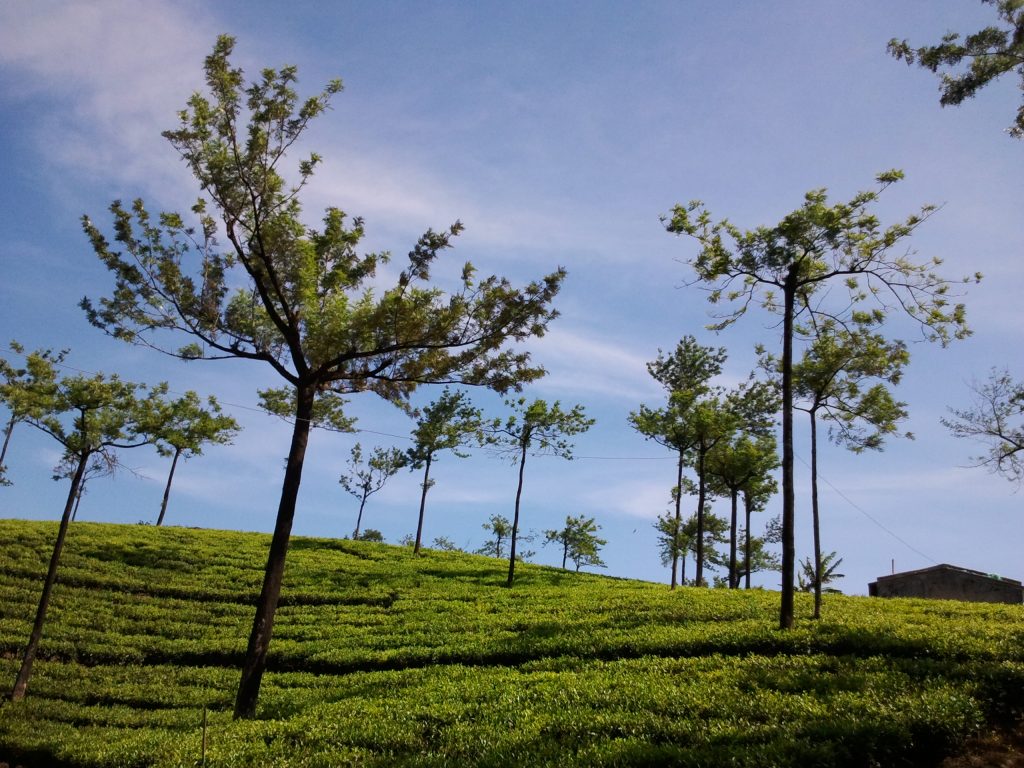
Kumily

Kumily

While travelers frequently associate Kumily with Kottayam—since Kottayam railway station is the major gateway to the region and Kumily was historically part of the greater Kottayam district—it officially became part of the newly formed Idukki district when it was carved out in 1972.
​Because of these deep historical roots, its connection to Kottayam remains a core part of its story.

The Historical Journey of Kumily

​1. The Ancient Capital of Kuzhumoor

​Long before it became a bustling spice town, Kumily was known in ancient records as Kuzhumoor.

  • Historians believe it may have served as a key mountain outpost or even a capital site during the early Chera Empire of the Sangam Age (around 3rd century BCE to 3rd century CE).
  • In the medieval period, it was a vital territory of the independent Thekkumkoor Kingdom. The rajas (kings) of Thekkumkoor controlled these highland trade routes, trading high-value forest wealth like ivory, wild cardamom, and sandalwood with Portuguese and Dutch merchants.

The Travancore Annexation (1749)

​In the mid-18th century, the legendary King of Travancore, Marthanda Varma, waged a military campaign to unify Kerala. He annexed the Thekkumkoor Kingdom after the Battle of Changanassery in 1749. Kumily and the surrounding Peermade high ranges were integrated into the princely state of Travancore, subsequently managed by the local Poonjar lords.

The British Plantation Era & Migration

​Up until the 19th century, Kumily was an dense, inaccessible forest inhabited only by indigenous tribes like the Mannans and Muthuvans. The real transformation began with British enterprise:

  • The Pioneer Planters: In the mid-to-late 1800s, British explorers and missionaries (most notably Henry Baker Jr.) realized the high-altitude climate was perfect for cash crops. They cleared forest tracts to experiment first with coffee, and later with tea and cardamom.
  • The Great Influx: Because the local tribal populations chose to remain deep in the forests, the British brought in large numbers of plantation laborers from neighboring Tamil Nadu. This created the distinct, beautiful blend of Malayali and Tamil cultures that defines Kumily today.

FAQs

Why do people often confuse Kumily's district between Kottayam and Idukki?
​It is a very common mix-up! Historically, the entire high-range territory (including Kumily, Munnar, and Peermade) belonged to the massive Kottayam district. On January 26, 1972, the government carved out these mountainous taluks to create a dedicated hill district called Idukki. Furthermore, because Kottayam is the closest major railway station (110 km away) where travelers catch buses or cabs to Kumily, the geographic link between the two remains incredibly strong in travel itineraries.
What does the word "Kumily" actually mean?
​The name is widely believed to be derived from the Malayalam/Tamil word "Kumizh" (meaning bubble or natural spring). The area was filled with small, bubbling mountain springs and streams emerging from the Cardamom Hills, which led early settlers to name the locality after these water sources.
How did Kumily evolve from a remote plantation village into a major tourism hub?
​The evolution happened in the late 1970s and 1980s. When the adjacent Periyar forest was strictly protected under India's Project Tiger in 1978, commercial logging and forest clearing came to an abrupt halt. As global tourists began flocking to the area for wildlife safaris, Kumily adapted perfectly. The town pivoted from a pure plantation outpost to a vibrant commercial gateway, filling up with homestays, hotels, and the famous spice markets.
What makes the spice shopping experience in Kumily so unique?
​Because Kumily sits right in the heart of the Cardamom Hills, it is one of the primary trading hubs for spices in India. When you walk down the streets, you are buying directly from the source. The air literally smells like cloves and cardamom. Local shops sell fresh, green cardamom grades, un-extracted essential oils, high-grade black pepper, and handmade chocolates at wholesale rates far below city prices.
What is the best way to travel from Kottayam to Kumily?
​The journey from Kottayam to Kumily is incredibly scenic. You travel via the National Highway 183 (NH 183), covering roughly 110 km. ​By KSRTC Bus: The Kerala State Road Transport Corporation operates frequent, affordable direct buses from the Kottayam KSRTC terminal right to the Kumily bus stand, taking about 3.5 to 4 hours. ​By Car: Driving or taking a taxi takes around 3 hours. The route climbs gradually through lush rubber plantations in Mundakkayam, past the mist-covered tea estates of Kuttikkanam and Peermade, offering panoramic views of the Western Ghats.

Price From : ₹400/-

Address

Near Avaloormadam temple, thathampally. Po, pin code 688013, Alleppey, Kerala, India