
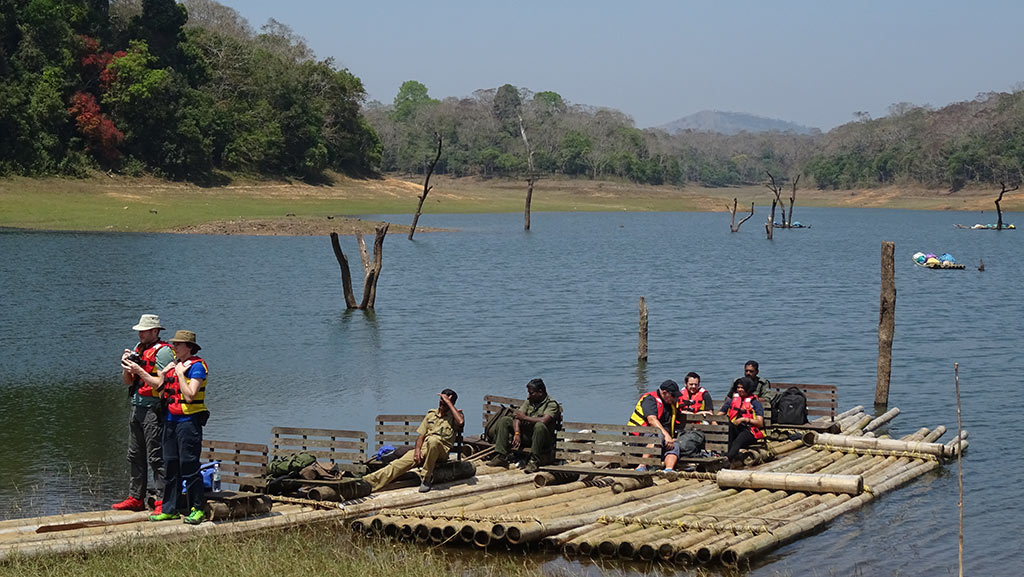
Periyar Tiger Reserve Trekking
Trekking inside the Periyar Tiger Reserve is entirely distinct from standard hiking trails. Rather than self-guided walking paths, trekking here is a highly structured conservation program that lets you explore the core and buffer zones of a protected rainforest under the direct protection of the people who know it best.
The Historical Evolution of Trekking in Periyar
1. From Tribal Pathways to Smuggler Trails (Pre-1990s)
For generations, the only footpaths cutting through the dense evergreen canopy of Periyar belonged to indigenous tribes who gathered wild honey and herbs. However, during the 1970s and 1980s, these remote mountain tracks were exploited by illegal timber syndicates, cinnamon bark poachers, and sandalwood smugglers. The vast, rugged terrain made it incredibly difficult for the standard forest department forces to patrol every corridor on foot.
2. The Birth of the “Tiger Trail” (1998)
The entire philosophy of trekking in Periyar changed radically in 1998 with a historic experiment under the India Eco-Development Project (IEDP).
- The forest department brought together a group of notorious, habitual poachers and sandalwood smugglers who operating in the area.
- Instead of prosecuting them, authorities offered them an ultimatum: use their unparalleled, deep-forest tracking skills to guide international researchers and tourists instead.
- This led to the formation of the Periyar Tiger Trail, a flagship trekking and camping program. Because these reformed poachers transitioned into well-paid protectors, tree felling and poaching dropped to near zero along those routes.
3. Modern Community-Based Patrols
Building on that success, the reserve expanded its trekking models to include daily Border Hiking and night-time Jungle Scouting. Today, every single trekking program inside the reserve serves a dual purpose: it provides a world-class adventure for travelers, while acting as a literal anti-poaching foot patrol. A portion of every trekker’s fee directly funds the local forest conservation communities.