
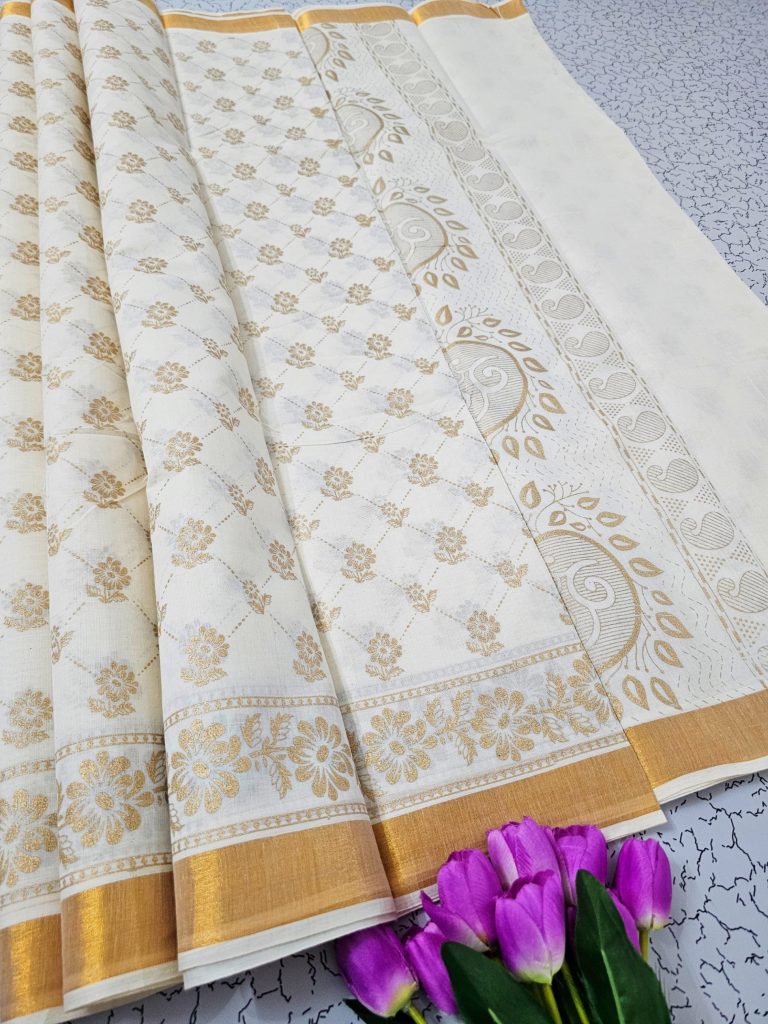
Infrastructure Facilities In Handlooms

Infrastructure Facilities In Handlooms

The handloom sector relies heavily on structural support to transition traditional, home-based weaving into systemized, high-quality production. In India, the Ministry of Textiles builds and upgrades infrastructure through schemes like the National Handloom Development Programme (NHDP) and the Comprehensive Handloom Cluster Development Scheme (CHCDS).
​🏢 Core Handloom Infrastructure Facilities
​Government and cooperative setups focus on providing localized support to individual weavers through clusters. Key facilities include:
​Common Facility Centres (CFCs): Functioning as central hubs for a cluster of villages, CFCs house high-quality equipment that individual weavers can’t afford, such as computerized textile design systems, testing labs, and processing machinery.
​Common & Individual Worksheds: Well-ventilated spaces with structured concrete floors designed specifically to set up looms comfortably. Individual worksheds prevent overcrowding in small rural homes, while common worksheds foster collaborative large-batch production.
​Dye Houses & Processing Units: Centralized modern dye houses ensure uniform colorfastness and high-quality processing using standardized eco-friendly dyes, solving the problem of inconsistent home-dyeing methods.
​Yarn Depots & Raw Material Banks: Facilities run by agencies like the National Handloom Development Corporation (NHDC) to stock quality yarn locally. This cuts down on shipping delays and shields weavers from volatile open-market prices.
​Urban Haats & Marketing Complexes: Permanent retail and exhibition spaces built in urban tourist spots (like Dilli Haat) to give rural artisans direct access to high-paying retail customers without middlemen.

FAQs

What is a Handloom Cluster, and how does it help a business?
A cluster is a concentrated geographical area where thousands of weavers, allied workers, and designers work on similar traditional products. Through the Cluster Development Programme (CDP), the government provides structural funding (up to ₹30 crore for Mega Clusters) to set up collective facilities, modern toolkits, and market linkages, allowing small operators to fulfill massive bulk orders with uniform quality.
How do weavers get subsidized raw materials?
Under the Raw Material Supply Scheme (RMSS), eligible weavers and cooperative societies receive quality yarn with freight reimbursement for transportation. The scheme also offers a 15% price subsidy on specific components (like cotton, domestic silk, and wool yarn) up to certain quantity caps, with funds transferred directly via Direct Benefit Transfer (DBT).
What is the difference between "Handloom Mark" and "India Handloom Brand"?
​Handloom Mark: Assures the buyer that the product is genuinely hand-woven and not made on a mechanized power loom. ​India Handloom Brand (IHB): A premium certification that guarantees not just authenticity, but also high quality, zero defect execution, eco-friendly dye usage, and compliance with specific design standards.
Can private businesses or digital platforms source directly from these infrastructures?
Yes. E-commerce platforms and retail brands can collaborate directly with Weavers' Service Centres (WSCs) or registered Handloom Cooperative Societies. Furthermore, the government actively assists clusters in onboarding onto the Government e-Marketplace (GeM) and other consumer portals to facilitate bulk B2B and B2C sales.
What technical support is available for upgrading old looms?
Through the Hathkargha Samvardhan Sahayata (HSS) component of government welfare schemes, weavers can claim financial assistance to upgrade their traditional looms with modern parts (like pneumatic jacquards, motorized take-up motions, and lighting units). The government typically funds up to 90% of the cost for these technological interventions to improve ergonomic efficiency and reduce physical strain.

Price From : ₹1400/-

Address

Near Avaloormadam temple, thathampally po, pin code 688013, Alleppey, Kerala, India