
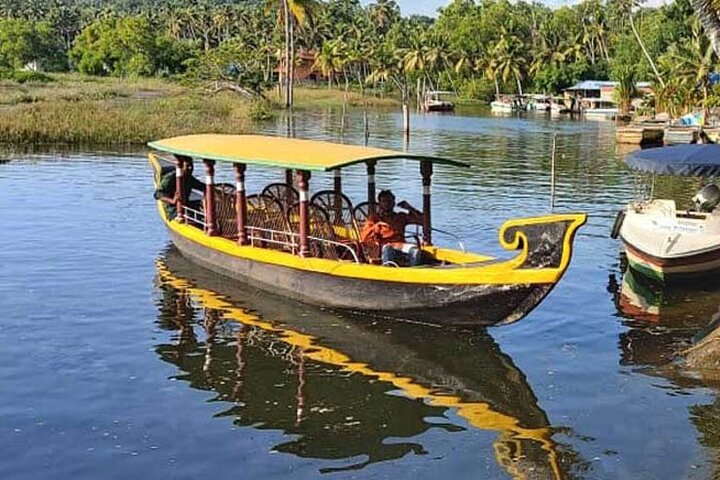
Boating In India Tour itineraries & Infrastructure Facilities
India offers some of the world’s most diverse boating experiences—from gliding past Himalayan snow peaks on a wooden Shikara to navigating narrow tropical palm canals in a canoe or kayaking crystal-clear mountain rivers.
1. Overview of Boating Types in India
Boating TypeTop DestinationsIdeal ForKey Experience
Shikara Boat• Dal Lake & Nigeen Lake (Srinagar)
• Kerala Backwaters (Alleppey & Munroe Island)Couples, families, photographyLeisurely 1–2 hour rides, floating bazaars, shaded wooden seating.
Houseboat• Alleppey & Kumarakom (Kerala)
• Dal Lake (Srinagar, stationery)
• Assam (Brahmaputra River cruises)Overnight stay, foodies, long leisureFloating luxury hotel with bedrooms, attached baths, and private chefs.
Traditional Canoe• Alleppey, Kuttanad & Munroe Island (Kerala)
• Pichavaram Mangroves (Tamil Nadu)Eco-tourism, deep village explorationHuman-paddled small boats navigating narrow canals unreachable by motorized boats.
Kayaking• Dawki & Shnongpdeng (Meghalaya)
• Dawki & Shnongpdeng (Meghalaya)
• Backwaters of Kerala (Alleppey/Kollam)
• Mandovi / Sal River (Goa)
• Rishikesh (Uttarakhand)Adventure, fitness, solo travelers
• Dawki & Shnongpdeng (Meghalaya)
• Backwaters of Kerala (Alleppey/Kollam)
• Mandovi / Sal River (Goa)
• Rishikesh (Uttarakhand)Adventure, fitness, solo travelersActive self-paddled exploration of rivers, lakes, and coastal mangroves.
2. Sample Itineraries by Region
Itinerary A: 5-Day Waterways & Backwater Circuit (Kerala)
Day 1 (Arrival Cochin rightarrow Alleppey): Arrive at Cochin, transfer to Alleppey. Check into an Overnight Luxury Houseboat by 12:00 PM. Cruise main rivers, anchor at sunset, and enjoy local seafood dinner.
Day 2 (Canoe & Shikara Village Exploration): Morning check-out from houseboat. Take a 3-hour traditional country canoe trip through Kuttanad’s narrow interior canals where large houseboats cannot pass. Evening Shikara ride on Lake Vembanad for sunset views.
Day 3 (Kayaking & Backwater Homestay): Transfer to Munroe Island or Kainakary. Early morning guided sunrise kayaking tour through shallow palm-fringed village channels. Stay in a lakeside heritage homestay.
Day 4 (Varkala Coastal Waters): Drive to Varkala. Evening coastal sea-kayaking or stand-up paddleboarding (SUP) lesson with certified instructors.
Day 5 (Departure): Transfer to Trivandrum Airport.
Itinerary B: 6-Day Himalayan Lakes & Waters (Kashmir & Northeast)
Day 1 (Srinagar Arrival): Transfer to a stationary Kashmir Houseboat on Nigeen Lake. Evening sunset Shikara ride on Dal Lake.
Day 2 (Srinagar Waterways): Dawn Shikara trip to the famous Floating Vegetable Market. Afternoon exploration of historical water routes along the Jhelum River.
Day 3–4 (Fly to Guwahati rightarrow Shillong/Dawki): Travel to Dawki (Meghalaya).
Day 5 (Crystal River Kayaking & Canoeing): Full day of kayaking and country boat paddling on the transparent waters of the Umngot River in Shnongpdeng.
Day 6 (Departure): Return drive to Guwahati Airport.
3. Infrastructure & Tourist Facilities
Jetties & Boarding Depots: Major centers like Alleppey (Punnamada, Pallathuruthy), Srinagar (Ghats 1–28 on Boulevard Road), and Dawki have dedicated boat-docking ramps with ticket counters and parking facilities.
Safety Equipment & Standards: Certified operators provide mandatory ISO/CE-approved life jackets (PFDs), paddles, dry bags, and safety briefing sessions before launching.
Certified Guides & Instructors: Kayaking tours in Goa, Kerala, Meghalaya, and Rishikesh are accompanied by certified rescue paddlers and local naturalists.
Amenities on Board:
Houseboats: Private AC bedrooms, silent generators, Wi-Fi, attached toilets with bio-tanks, and onboard kitchen facilities.
Shikaras: Cushioned canopy seating, traditional carpets, hand-paddled or low-emission quiet motors.
Kayaks & Canoes: Single and double (tandem) sit-on-top or sit-inside kayaks with ergonomic seats and footrests.
4. Frequently Asked Questions (FAQs)
Q1: Do I need prior experience to go kayaking or canoeing in India?
No. Most recreational kayaking tours in flat water (backwaters, lakes, or calm rivers like Dawki and Goa mangroves) require zero prior experience. Beginners are given a short 15-minute paddling and safety briefing.
Q2: What is the main difference between a Kashmir houseboat and a Kerala houseboat?
Kerala Houseboats are mobile floating vessels (Kettuvallams) that actively cruise along rivers and backwaters.
Kashmir Houseboats are stationary cedar-wood structures permanently anchored along the banks of Dal and Nigeen Lakes, serving as floating hotels with access provided via Shikaras.
Q3: Is it safe for non-swimmers to participate in kayaking, canoeing, or Shikara rides?
Yes, wearing a properly fitted life jacket is mandatory for all passengers, regardless of swimming ability. Guides tailor routes to calm, shallow, or slow-moving waters for non-swimmers.
Q4: What is the best season for boating activities across India?
Kerala & Goa: October to March (dry, pleasant weather with calm backwaters and seas).
Kashmir: April to October (mild temperatures and lush lotus flower blooms on Dal Lake).
Meghalaya (Dawki): November to April (unmatched water transparency; monsoon rain causes murky water from June to September).
Q5: What should I wear for small-boat activities like kayaking or canoeing?
Wear quick-drying synthetic clothing (polyester/nylon swimwear or rash guards), water shoes or sandals with straps, a sun hat, and polarized sunglasses. Avoid heavy cotton or denim.
What are the top 5 spots for kayaking in India and how do they compare in difficulty and price?
Comparison Summary Table
Spot / RegionWater Type & VibeDifficulty LevelAverage Cost (INR)
1. Alleppey / Munroe Island (Kerala)Peaceful backwaters & canal networksEasy (Beginner)₹800 – ₹1,800 per session
2. Shnongpdeng / Dawki (Meghalaya)Crystal-clear river (Umngot)Easy (Beginner)₹500 – ₹1,000 per session
3. Mulki / Sal River (Karnataka / Goa)Mangroves, estuaries & sea entryEasy to Moderate₹1,200 – ₹2,500 per session
4. Havelock Island (Andamans)Ocean & night bioluminescenceModerate₹2,500 – ₹3,500 per session
5. Rishikesh (Uttarakhand)White water river rapids (Ganga)Moderate to Extreme (Class I–IV)₹1,500 – ₹3,500 (single run)
₹12,000 – ₹30,000 (3 to 7-day courses)
Detailed Breakdown of Top 5 Spots
1. Alleppey & Munroe Island (Kerala) – Best for Backwater & Village Eco-Tours
The Experience: Paddle through narrow, shallow village canals lined with coconut trees, water lilies, and paddy fields. Unlike large motorized houseboats, kayaks allow you to venture deep into rural waterways. Sunrise and sunset tours are the most popular.
Difficulty: Easy (1/5). Completely flat, calm water with virtually no current. Great for absolute beginners, non-swimmers, and families.
Price Range: ₹800 to ₹1,800 per person for a 2-to-3-hour guided paddling tour (includes gear, life jackets, and a local guide).
2. Shnongpdeng / Dawki (Meghalaya) – Best for Transparent Waters
The Experience: Kayaking on the famous Umngot River, known for water so clear that your kayak appears to float in mid-air above the riverbed. Surrounded by green valleys and rocky gorges near the India-Bangladesh border.
Difficulty: Easy (1.5/5). Very gentle river current during the dry season (November to April). Easy sit-on-top kayaks suitable for first-timers.
Price Range: ₹500 to ₹1,000 per person for 30–60 minutes of paddling.
3. Mulki (Karnataka) & Goa Mangroves – Best for Estuary & Wave Kayaking
The Experience: Mulki (near Mangalore, along the Sambhavi River) and the Sal/Chapora Rivers in Goa offer lush mangrove forests, quiet backwaters, and estuaries that open into the Arabian Sea. Mulki is also India’s premier hub for learning ocean kayaking and kayak wave-surfing.
Difficulty: Easy to Moderate (2/5 to 3/5). River paddling is easy, but ocean estuary entries involve light tides and wind resistance.
Price Range: ₹1,200 to ₹2,500 per person for a 2–3 hour guided mangrove or sunrise paddle. (Multi-day certified coastal kayak courses range from ₹6,000 to ₹12,000).
4. Havelock Island / Elephant Beach (Andaman Islands) – Best for Night Bioluminescence & Sea Kayaking
The Experience: Gliding through serene mangrove creeks by day, or setting off on an evening tour to witness bioluminescent plankton glowing underneath your kayak stroke in the dark sea waters.
Difficulty: Moderate (2.5/5). Ocean currents, tidal movements, and night paddling require a bit more effort and basic steering confidence.
Price Range: ₹2,500 to ₹3,500 per person for a 2-hour night bioluminescence kayak experience.
5. Rishikesh (Uttarakhand) – Best for White Water River Extreme Adventure
The Experience: Navigating the rushing waters and rapids of the Ganga River surrounded by Himalayan foothills. Rishikesh is the white water kayaking capital of India, attracting paddlers from around the globe.
Difficulty: Moderate to Advanced / Extreme (3/5 to 5/5). Ranging from Class I (easy moving water) up to Class IV (technical, fast-moving rapids). Prior swimming ability and instructor-led training are highly recommended.
Price Range:
Single day rapid run: ₹1,500 to ₹3,500
3-Day to 7-Day Basic/Integrated Kayaking Certification Courses: ₹12,000 to ₹31,500 (includes gear, safety kayaks, and instructor coaching).
Which one should you pick?
For a relaxed, scenic, beginner-friendly experience: Choose Alleppey (Kerala) or Dawki (Meghalaya).
For unique night views or sea exploration: Choose Andaman (Havelock) or Mulki (Karnataka).
For thrill, fitness, and learning a technical sport: Choose Rishikesh (Uttarakhand).
What are the categories, costs, and best locations for staying in Kashmir houseboats and booking Shikaras?
Unlike Kerala’s houseboats, which cruise dynamically along backwater networks, Kashmir houseboats are hand-carved, stationary cedar-wood floating mansions permanently anchored along the shores of Dal Lake and Nigeen Lake. Small, canopy-covered wooden boats called Shikaras function as floating taxis, water-bazaars, and sightseeing vessels to get to and from these houseboats.
1. Categories & Nightly Costs for Kashmir Houseboats
Houseboats in Srinagar are rated by the Jammu & Kashmir Tourism Department based on size, interior wood carvings (walnut wood/cedar), antique furnishings, and view points.
CategoryNightly Tariff Range (2 Adults)Key Facilities & Features
Budget / Standard₹3,000 – ₹5,000Basic cedar interiors, clean double bedrooms with attached Western bath, common sitting area/deck, fan cooling, basic heating setup (Bukhari / electric heater in winter), and standard breakfast.
Deluxe / A-Class₹6,000 – ₹10,000Intricate hand-carved walnut wood paneling, fine Kashmiri carpets, private dining rooms, 24/7 hot water, TV, Wi-Fi, MAP meal plan (Breakfast + Dinner included), and complimentary Shikara transfers.
Super Deluxe / Luxury₹10,000 – ₹16,000Grand suite-style rooms, expansive front sun decks overlooking the mountains, central heating systems, private butler service, and traditional Kahwa tea service.
Heritage & Boutique₹16,000 – ₹25,000+Ultra-luxury properties (e.g., Sukoon, Butt’s Clermont, New Jacqueline), vintage colonial-era decor, glass dining halls, organic farm-to-table cuisine, and private landing piers.
2. Best Locations to Stay: Dal Lake vs. Nigeen Lake
Dal Lake – Vibrant, Cultural & Central
Vibe: Lively, bustling, and steeped in tourist activity.
Pros: Located along Boulevard Road with easy access to city markets, Mughal Gardens, and lakeside dining. Front-row views of floating flower markets, passing Shikaras, and the Zabarwan Mountain range.
Cons: Can be noisy during peak season due to boat traffic.
Best For: First-time visitors, shopping enthusiasts, and travelers who enjoy a vibrant atmosphere.
Nigeen Lake – Serene, Exclusive & Peaceful
Vibe: Tranquil, calm, and scenic (often called the “Jewel in the Ring”).
Pros: Surrounded by willow and poplar trees with crystal-clear, quieter waters. Far less commercial boat noise. Select houseboats here are land-connected via bridges, eliminating the need for boat transfers for mobility-impaired guests.
Cons: Approximately 20–25 minutes drive from central Srinagar/Lal Chowk markets.
Best For: Honeymooners, families seeking quiet relaxation, birdwatchers, and returning travelers.
3. Booking Shikaras: Rates, Routes & Tips
Shikaras are regulated by the Department of Tourism J&K with official hourly tariffs.
Standard Shikara Ride Tariffs
1-Hour Ride: ₹770 – ₹790 per boat (Seats up to 4 adults).
2-Hour Ride: ₹1,200 – ₹1,580 per boat.
Additional Hours: Approx. ₹400 – ₹450 per extra hour.
Popular Shikara Circuits & Highlights
The Floating Morning Market Tour (5:30 AM – 7:30 AM): A 2-hour morning trip to witness local farmers trading fresh vegetables and flowers from boat to boat in the shallow backwaters of Dal Lake.
Standard Sightseeing Tour (1 to 2 Hours): Covers iconic points such as Char Chinar Island, Kabootar Khana (Pigeon Palace), Floating Post Office, and the lotus gardens.
Shopping / Meena Bazaar Tour (2 to 3 Hours): Navigates through floating wooden canals lined with water-shops selling Pashmina shawls, Kashmiri handicrafts, leather goods, and saffron.
Key Booking Tips:
Where to Book: You can board a Shikara directly from any designated Ghat (Ghats 1 through 28 along Boulevard Road on Dal Lake, or pre-book through registered local operators and your houseboat host.
Houseboat Pickups: Most Deluxe and Luxury houseboat stays include complimentary round-trip Shikara transfers to get you from the roadside jetty to your houseboat upon check-in and check-out.