
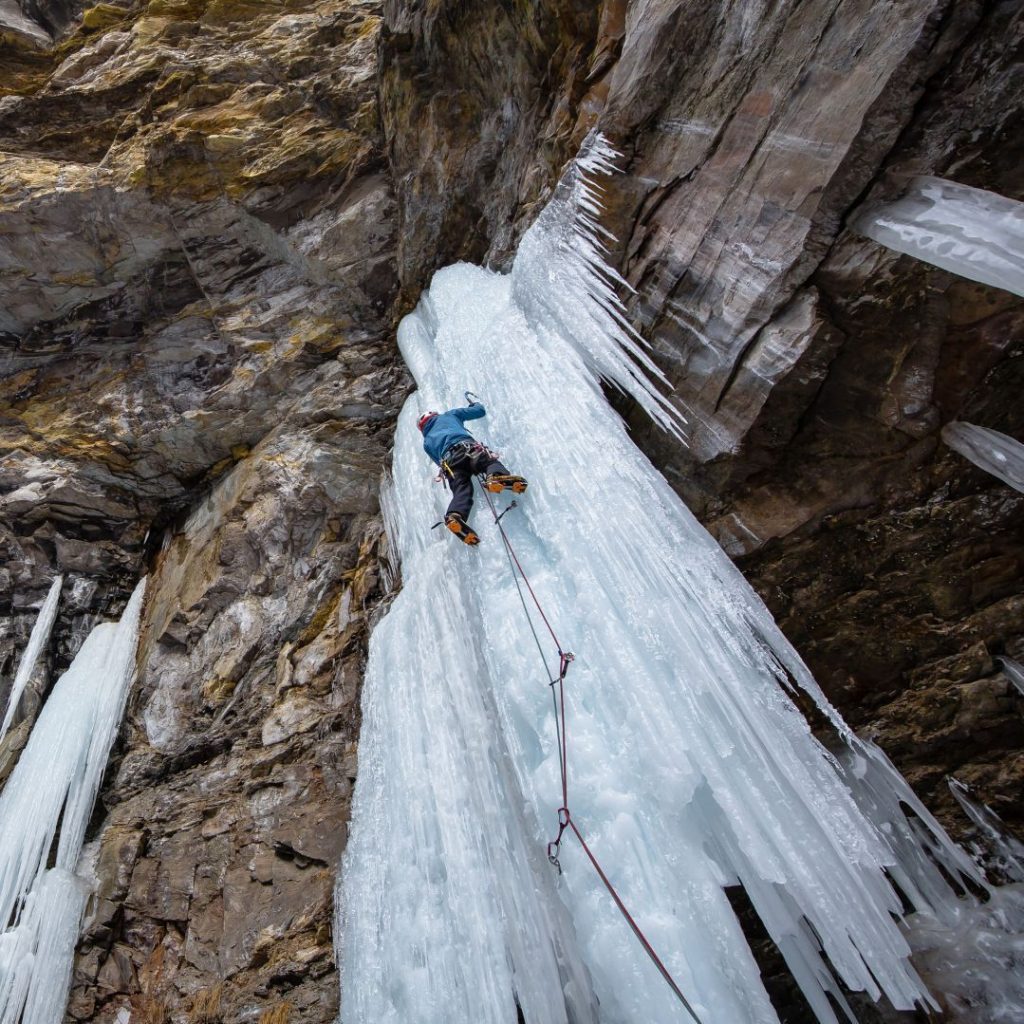
Mountaineering in India Tour itinerary
Mountaineering in India ranges from non-technical / semi-technical trekking peaks (5,000m–6,000m) ideal for introductory mountaineers, to highly technical high-altitude giants (6,000m–7,000m+) requiring specialized ice-craft and rock-climbing experience.
1. Mountaineering Itineraries in India
Option A: Intermediate / Semi-Technical Peak – Friendship Peak Expedition (5,289 m / 17,348 ft)
Location: Pir Panjal Range, Manali, Himachal Pradesh
Duration: 7 Days / 6 Nights
Technicality: Semi-Technical (Requires crampons, ice axe, roped team movement)
Day 1: Arrival in Manali (2,050 m)
Gear check, expedition briefing, and final permit verification.
Day 2: Manali to Dhundi Drive ➔ Trek to Bakarthach Base Camp (3,300 m)
Short drive to Dhundi roadhead; 4–5 km trek through riverbeds to establish Base Camp.
Day 3: Bakarthach to Advance Base Camp (ABC / Lady Leg – 3,840 m)
Steep ascent up glacial moraines and alpine ridges to set up ABC. Afternoon snow-craft and ice-axe self-arrest training session.
Day 4: Load Ferry & Acclimatization to Summit Camp (4,200 m)
Load ferry training: Carry equipment and summit rations to Summit Camp, then descend back to ABC for acclimatization.
Day 5: Shift to Summit Camp (4,200 m)
Move to Summit Camp; fix ropes on steep snow sections if required. Early dinner and rest by 6:00 PM.
Day 6: Summit Push (5,289 m) ➔ Descend to Base Camp
01:00 AM Midnight Push: Climb steep snow shoulders (40°–50° incline) using crampons and fixed lines. Summit by sunrise for panoramic views of Hanuman Tibba and Deo Tibba. Descend safely back to Bakarthach.
Day 7: Base Camp to Dhundi ➔ Drive back to Manali
Pack down camp, trek back to Dhundi roadhead, and drive to Manali for debriefing.
Option B: Advanced / 6,000m Technical Peak – Mt. Deo Tibba Expedition (6,001 m / 19,688 ft)
Location: Pir Panjal Range, Himachal Pradesh
Duration: 14–16 Days
Technicality: High (Requires glacier crossing, ice wall climbing, ridge traversal)
Days 1–4: Drive from Manali to Khanol; trek through lush meadows (Seri) to establish Base Camp at Tenta (3,900 m).
Days 5–8: Route opening, load ferry, and setting up Advance Base Camp (Camp 1 – 4,800 m) over the treacherous Chandrataal glacier.
Days 9–11: Move to Summit Camp via the steep Pitraton Ice Wall (requiring fixed ropes and ice screws).
Day 12: Summit Attempt (6,001 m) traversing the snow dome plateau; return to Camp 1.
Days 13–16: Reserve weather days, descent to Base Camp, and return trek to Manali.
2. Infrastructure & Facilities on Indian Mountaineering Expeditions
Mountaineering expeditions require far more specialized support than standard trekking trails, organized under the apex oversight of the Indian Mountaineering Foundation (IMF).
CategoryHigh-Altitude Infrastructure & Equipment Provided
High-Altitude CampsHeavy-duty 4-season geodesic mountain tents, snow stakes, thermal ground insulation pads, and sub-zero rated (-20°C to -30°C) down sleeping bags.
Technical Climbing GearGroup climbing equipment including dynamic climbing ropes, fixed ropes, ice screws, snow stakes, carabiners, ascenders (jumars), belay devices, and snow shovels.
Personal Technical GearHigh-altitude double mountaineering boots (plastic or synthetic), crampons, ice axes, climbing helmets, and adjustable harnesses.
Kitchen & RationsHigh-altitude pressure cookers, multi-fuel expedition stoves (MSR/Kerosene), high-calorie freeze-dried or hot carbohydrates, and snow-melting water setups.
Safety & MedicalPortable Gamow chambers (hyperbaric bags), medical-grade oxygen cylinders, pulse oximeters, specialized wilderness first-aid kits, and satellite communication (where permitted by IMF / local authorities).
Logistics & StaffingCertified IMF Liaison Officers (for 6,001m+ open peaks), qualified Mountain Guides (graduates of NIM/HMI/ABVIMAS institutes), High Altitude Porters (HAPs), and cook crews.
3. Frequently Asked Questions (FAQs)
Q1: What formal approvals or permits are required for mountaineering in India?
Answer: Peaks above 6,000 meters or located in sensitive border zones require clearance and permits from the Indian Mountaineering Foundation (IMF). For international expeditions, an IMF Liaison Officer is assigned to accompany the team. State forest department fees and peak booking royalties apply depending on peak altitude.
Q2: Do I need formal mountaineering certification to join an expedition?
Answer: For semi-technical 5,000m peaks (e.g., Friendship Peak), high physical fitness and prior high-altitude trek experience are usually sufficient. However, for technical 6,000m+ peaks (e.g., Deo Tibba, Mt. Nun, Mt. Satopanth), operators typically require proof of a Basic Mountaineering Course (BMC) or Advanced Mountaineering Course (AMC) from recognized institutes like NIM, HMI, ABVIMAS, or JIM&WS.
Q3: How is emergency evacuation managed if someone gets injured or develops HAPE/HACE?
Answer: Primary evacuation is done manually or via mules to lower altitudes immediately. Heli-evacuation (via the Indian Air Force or private charter operators) requires pre-arranged mountain insurance covering search and rescue, alongside immediate coordination with the IMF, local administration, and military airbases.
Q4: What is the best season for mountaineering in the Indian Himalayas?
Answer:
Pre-Monsoon (May to June): Best for Garhwal and Himachal peaks (clearer weather window, stable snow packs).
Post-Monsoon (August to October): Ideal for Ladakh and Zanskar peaks (e.g., Nun, Kun, Kang Yatse) and select Himachal ranges.
Q5: What type of insurance do I need for climbing peaks in India?
Answer: Standard travel insurance does not cover high-altitude technical climbing. You must secure specialized extreme sports / mountaineering insurance that covers medical treatment, high-altitude search-and-rescue, and emergency helicopter evacuation above 5,000 meters.