
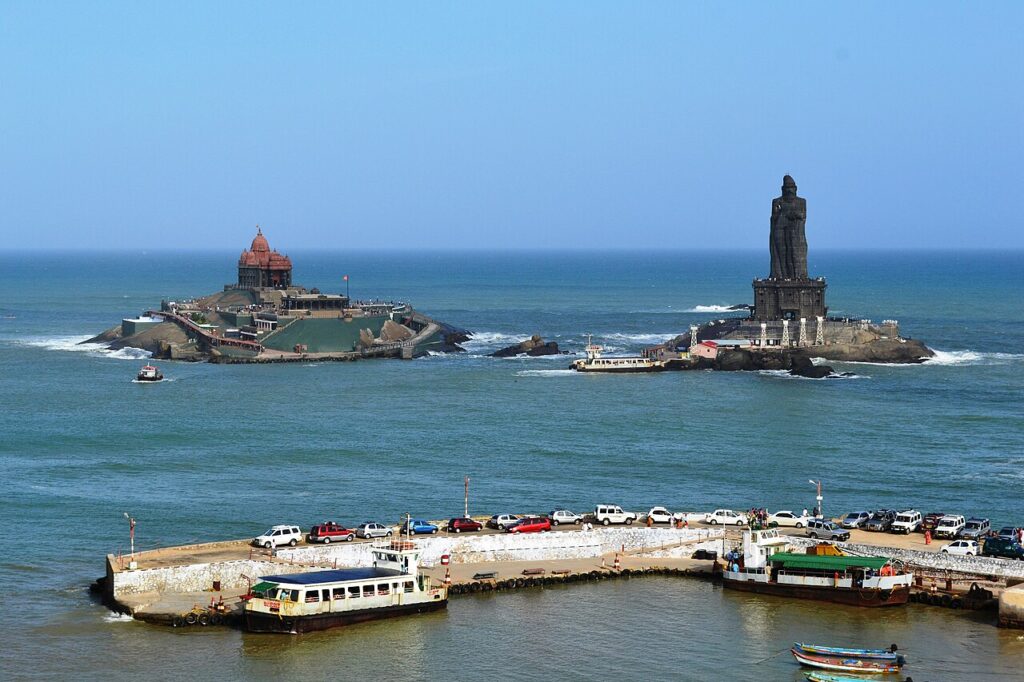
India’s inbound tourism – Tourism In India
India’s inbound tourism landscape offers incredible diversity—from the historic Golden Triangle and spiritual hubs along the Ganges to the serene backwaters of South India and the high-altitude landscapes of the Himalayas.
Here is a comprehensive breakdown featuring a classic 10-day itinerary, an overview of essential infrastructure, and key FAQs for international travelers.
📍 Premier Inbound Itinerary: Golden Triangle & Kerala (10 Days)
This classic route balances Northern India’s rich architectural heritage with the tranquil nature and wellness offerings of the South.
Days 1–3: Delhi (Arrival & Heritage)
Imperial History & Street Food
Day 1: Arrival at IGI Airport (DEL). Hotel check-in and leisure.
Day 2: Explore Old Delhi (Jama Masjid, Chandni Chowk rickshaw ride) and New Delhi (Humayun’s Tomb, Qutub Minar, India Gate).
Day 3: Morning drive to Agra via the Yamuna Expressway (approx. 3.5 hours).
2
Days 3–4: Agra (Wonders of the Mughal Empire)
Architecture & Craftsmanship
Day 3 Afternoon: Visit Agra Fort and Mehtab Bagh for sunset views of the Taj Mahal.
Day 4: Sunrise visit to the Taj Mahal. Depart for Jaipur, stopping en route at the ancient stepwell of Abhaneri (Chand Baori).
3
Days 5–6: Jaipur (The Pink City)
Royal Palaces & Forts
Day 5: Visit Amber Fort, City Palace, Jantar Mantar (UNESCO site), and photo stop at Hawa Mahal (Palace of Winds).
Day 6: Explore local textile markets or take an artisan block-printing workshop. Evening flight or train back to Delhi/Cochin connection.
4
Days 7–10: Kerala (God’s Own Country)
Nature & Backwaters
Day 7: Fly into Cochin (COK). Explore Fort Kochi (Chinese Fishing Nets, St. Francis Church, Mattancherry Dutch Palace).
Day 8: Drive to Alleppey (Alappuzha). Board a luxury private houseboat for an overnight backwater cruise through Vembanad Lake and narrow palm-fringed canals.
Day 9: Drive to Marari Beach or Kumarakom for an authentic Ayurvedic massage and relaxed eco-resort stay.
Day 10: Departure from Cochin International Airport (COK) or Trivandrum (TRV).
🛠️ Infrastructure & Tourist Facilities
India has made major advancements in tourism-focused infrastructure to streamline international travel:
1. Airports & Aviation Network
World-Class Hubs: Major entry gateways like Delhi (DEL), Mumbai (BOM), Bengaluru (BLR), and Cochin (COK) feature modern terminals with smooth international-to-domestic transfers.
Regional Connectivity (UDAN): Direct flight routes connect major metros to secondary cultural hubs like Varanasi, Jaipur, Udaipur, and Bagdogra.
2. High-Speed Rail & Luxury Trains
Vande Bharat Express: India’s modern, air-conditioned semi-high-speed trains link key tourist corridors (e.g., Delhi–Agra, Delhi–Jaipur, Cochin–Trivandrum) with comfortable seating and onboard meals.
Luxury Trains: Curated experiential rail journeys like the Maharajas’ Express, Palace on Wheels, and Golden Chariot.
3. Highways & Ground Transport
Expressways: High-speed corridors like the Yamuna Expressway and Delhi–Mumbai Expressway have significantly reduced travel times between major cities.
App-Based & Private Transport: Uber, Ola, and dedicated pre-arranged chauffeur services offer hassle-free ground transit in major cities.
4. Digital & Financial Ecosystem
Digital Payments: Credit cards are widely accepted in hotels, upscale restaurants, and stores. Mobile payments (UPI) are ubiquitous, though keeping cash (INR) for small local vendors and tipping is recommended.
Connectivity: High-speed 5G networks cover almost all major cities and tourist towns. eSIMs (Airalo, Nomad, etc.) can be activated prior to landing, or physical SIM cards can be purchased at international arrival halls.
❓ Frequently Asked Questions (FAQs)
Visa & Entry
Q: How do international tourists apply for a visa to India?
A: Citizens of over 160 countries can easily apply online for an e-Tourist Visa (e-TV) via the official government portal (indianvisaonline.gov.in). Options include 30-day, 1-year, and 5-year multi-entry visas. It is recommended to apply at least 4–7 days before your travel date.
Best Time to Visit
Q: What is the ideal season for traveling to India?
A: October to March offers pleasant, mild weather across most of North, Central, and South India. The monsoon season (June to September) is ideal for Kerala’s Ayurvedic retreats and the high-altitude desert regions of Ladakh and Leh.
Health & Wellness
Q: Is tap water safe to drink, and what precautions should I take?
A: Tap water in India is not drinkable. Always use sealed bottled mineral water, RO (Reverse Osmosis) filtered water, or UV-treated water provided by reputable hotels and houseboats. Eat freshly cooked hot meals and choose busy, well-reviewed dining spots.
Cultural Etiquette
Q: What are the dress codes for visiting temples and religious sites?
A: Dress modestly when visiting places of worship. Shoulders and knees should be covered. Shoes must be removed before entering temples, mosques, or houseboats; carrying a slip-on pair of shoes and a lightweight scarf (for covering your head if required) is
very useful.