
Popular Orchid Varieties Grown in India – Importers And Growing
Orchids have grown from a niche hobby into a major segment of India’s floriculture industry. With expanding polyhouse farms in the North East, Kerala, and the Western Ghats, India imports high-quality tissue-culture plantlets and cultivates both tropical and temperate orchid varieties.
1. Popular Orchid Varieties Grown in India
Dendrobium: The most popular tropical commercial orchid in India, widely grown in warm, humid regions like Kerala, Goa, and Tamil Nadu.
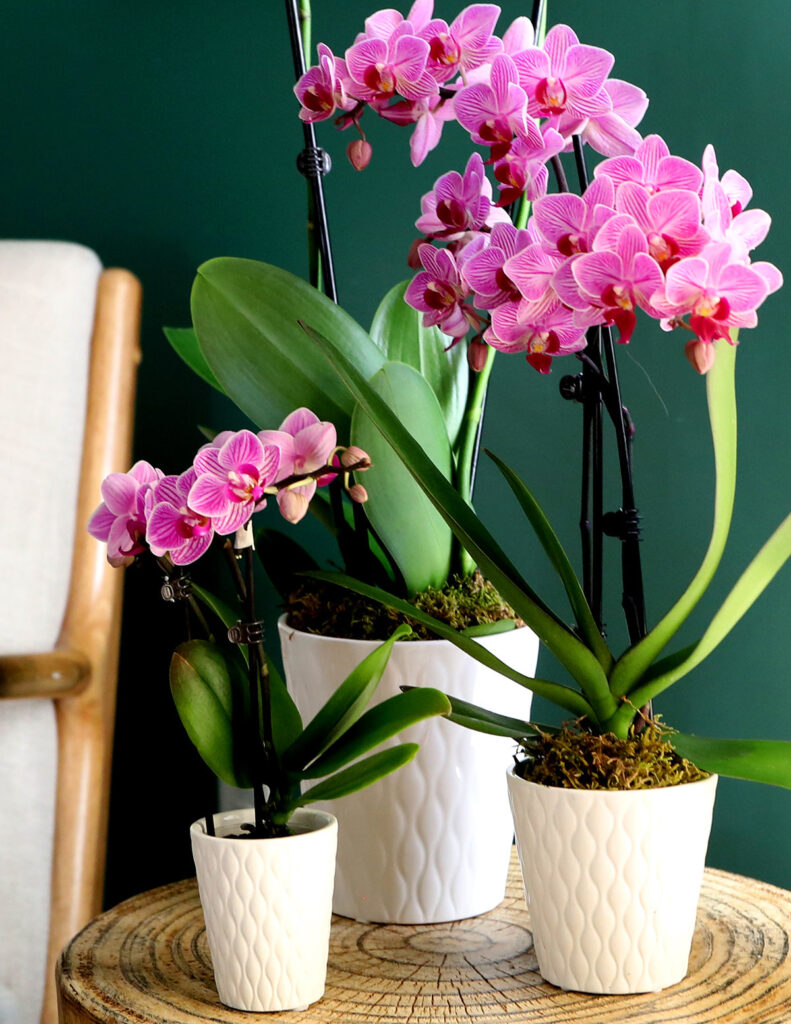
Phalaenopsis (Moth Orchid): Preferred for indoor potted plants and premium hotel decor. Requires controlled climate conditions with diffused light.
Cymbidium: Cold-loving, high-altitude orchids grown extensively in Sikkim, Darjeeling, and Himachal Pradesh. Known for long vase life.
Vanda & Cattleya: Epiphytic orchids grown in hanging baskets or wood mounts, appreciated for bright colors and fragranced blooms.
2. Importers & Tissue-Culture Suppliers
Most commercial growers and nurseries in India import tissue-culture plantlets (in flasks or plug stage) or acclimatized adult plants from major orchid-producing hubs like Thailand, Taiwan, the Netherlands, and Singapore.
Major Trade & Nursery Hubs: Siliguri/Darjeeling (West Bengal), Bengaluru (Karnataka), Kadiyapulanka (Andhra Pradesh), Kerala (Kochi/Kottayam), and Pune (Maharashtra).
Import Process: Importers import orchids in flask stage (sterile agar medium) or as bare-root seedlings, which are then hardened in local shade houses before distribution.
3. Infrastructure & Growing Requirements in India
Growing orchids commercially or at home requires specialized micro-climate infrastructure to mimic their natural tropical/subtropical habitats:
Shade Houses & Polyhouses
Shade Netting: Epiphytic orchids need 50% to 75% shade netting. Direct harsh Indian sunlight burns the leaves.
Humidity & Climate Control: Misting systems, foggers, and pad-and-fan cooling systems keep the relative humidity between 60% to 80%.
Soil-less Growing Medium (Substrate)
Orchids are epiphytes (growing on tree bark in nature) and will rot if planted in regular soil. Recommended media include:
Coconut husk chunks & fiber (washed to remove salts)
Charcoal bits & brick pieces (for root aeration and drainage)
Sphagnum moss (for Phalaenopsis moisture retention)
Pine bark & Perlite
Benches & Hanging Racks
Galvanized mesh benches keep pots 2–3 feet off the ground to prevent soil-borne pests (snails, slugs, fungal spores) and ensure 360-degree air circulation.
4. Frequently Asked Questions (FAQs)
1. Can I grow orchids at home in hot Indian summers?
Yes. Tropical varieties like Dendrobium and Phalaenopsis thrive in warm Indian conditions. During peak summer, keep them under a 50–70% green shade net or indoors near a bright window, and use misting or a water tray nearby to boost humidity.
2. Why are my orchid’s roots rotting or leaves turning yellow?
Overwatering in non-draining soil is the #1 cause of orchid plant death. Water only when the potting media feels dry to the touch. Ensure the pot has multiple drainage holes and use a coarse media like charcoal and coconut husk chunks.
3. How often do orchids bloom, and how long do the flowers last?
Most orchids bloom 1 to 2 times a year. However, individual flower spikes last a long time—typically 4 to 8 weeks on the plant (and 2–3 weeks as a cut flower in a vase).
4. What fertilizer schedule works best for orchids?
Follow the rule: “Weekly, Weakly.” Use a balanced water-soluble NPK fertilizer (19:19:19 or 20:20:20) diluted to 25% of the recommended strength once every 1–2 weeks. Switch to a bloom booster high in Phosphorus (like 10:30:20) before the blooming season.