
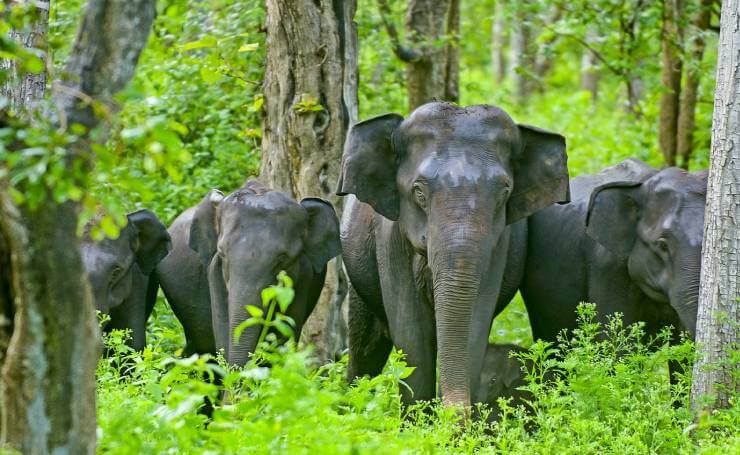
Ecotourism in India – Eco tour Itinerary and Infrastructure facilities
Ecotourism in India spans a wide spectrum of ecosystems—from tropical backwaters and biodiversity hotspots in the South to living root bridges in the Northeast and high-altitude reserves in the Himalayas.
Because India’s eco-tourism is spread across diverse geography, the most rewarding approach is picking a focused regional circuit. Below is an exemplary Golden Eco-Circuit Itinerary, followed by key infrastructure details and FAQs.
Recommended 10-Day Eco-Circuit Itinerary
(Western Ghats & Southern Rainforest Trail: Kerala & Karnataka)
[Day 1-3: Wayanad / Thenmala] ➔ [Day 4-6: Periyar Sanctuary] ➔ [Day 7-10: Coorg Coffee & Shola Forests]
Days 1–3: Community & Canopy (Wayanad & Thenmala, Kerala)
Day 1: Arrival & Eco-Village Walk: Arrive at Wayanad/Kochi. Settle into a community-run homestay. Evening walk with local tribal naturalists through agro-forested landscapes.
Day 2: Bamboo Rafting & Edakkal Caves: Morning quiet raft trip down the river; afternoon hike to prehistoric rock art sites (Edakkal Caves) with zero-trace guidelines.
Day 3: India’s First Planned Eco-Zone: Travel to Thenmala Zone. Explore the Canopy Walkway, Nature Trail, and learn about the local butterfly conservation park.
Days 4–6: Sanctuary & Community Protection (Periyar Tiger Reserve, Kerala)
Day 4: Travel to Thekkady: Check into an eco-lodge that uses solar energy and rainwater harvesting.
Day 5: Forest Patrol Walk with Local Guides: Join the famous Periyar Tiger Trail or border hike—guided by local community members who are former forest extractors turned protectors.
Day 6: Organic Spice & Elephant Corridor: Tour an organic, low-impact spice estate (cardamom/pepper) and participate in a native tree-planting effort.
Days 7–10: Coffee Plantation & Shola Ecology (Coorg, Karnataka)
Day 7: Drive to Kodagu (Coorg): Stay in a shade-grown coffee estate homestay that preserves the natural canopy for endemic birds.
Day 8: Native Plantation Harvesting & Birdwatching: Early morning guided birdwalk (look for Malabar Grey Hornbills) followed by traditional shade-grown coffee harvesting demos.
Day 9: Nagarhole Buffer Zone Safari: Join an eco-certified electric/shared jeep safari to observe elephants and gaur while strictly adhering to silent-zone rules.
Day 10: Departure: Return via Kannur or Bengaluru with a zero-single-use-plastic travel mandate.
🛠️ Infrastructure & Facilities Across Indian Eco-Zones
Accommodation:
Community Homestays: Run directly by indigenous or rural families (popular in Meghalaya, Sikkim, Kerala, and Himachal).
Forest Department Lodges & Camps: Government-managed eco-cottages inside buffer zones with solar power and basic bio-toilets (e.g., Jungle Lodges in Karnataka).
Certified Eco-Resorts: Private properties built using local stone/bamboo, featuring greywater recycling and farm-to-table dining.
Transport & Accessibility:
Dedicated electric buses inside protected reserve zones (e.g., Eravikulam, Gir).
Traditional non-motorized transport like bamboo rafts, wooden canoes, and bicycle tracks to minimize carbon footprint and noise pollution.
Waste & Environmental Management:
Single-Use Plastic Bans: Enforced heavily in eco-destinations like Meghalaya (Mawlynnong), Ladakh, Sikkim, and Nilgiris.
Bamboo dustbins and local village composting systems.
Guiding Infrastructure:
Mandatory local naturalists and tribal community guides trained by state forest departments to ensure safe, educational, and respectful wildlife encounters.
❓ Frequently Asked Questions (FAQs)
1. What are the best regions in India for ecotourism?
Northeast (Meghalaya, Sikkim, Assam): Living root bridges, tribal village governance, and rhino sanctuaries.
Southern Western Ghats (Kerala, Karnataka): India’s pioneer planned eco-tourism models, backwaters, and coffee estate biodiversity.
Himalayan Belt (Uttarakhand, Himachal, Ladakh): High-altitude snow leopard conservation, solar homestays, and zero-waste alpine treks.
2. How does ecotourism directly benefit local Indian communities?
Tours actively employ local villagers as forest trackers, safari drivers, boatmen, and naturalists. Homestays keep 70–80% of travel spending directly within the local village economy rather than sending it to corporate chains.
3. Do I need special permits to visit these eco-sensitive areas?
Yes, for certain regions:
Inner Line Permits (ILP): Required for North-Eastern states like Arunachal Pradesh, Nagaland, and parts of Sikkim/Mizoram.
Forest Reserve Permits: Safari zones (e.g., Kaziranga, Corbett, Nagarhole) require advance online booking via state forest department portals.
4. What are the primary rules travelers must follow?
Maintain a strict Pack-It-In, Pack-It-Out plastic policy.
Avoid loud music, flash photography, or bright clothing near wildlife habitats.
Refrain from giving plastic-wrapped gifts or single-use items to local children in rural eco-villages.