
Kerala Eco-Tourism Itinerary – Eco Tourism In India
Kerala is a global pioneer in community-based sustainable travel, home to India’s first planned eco-tourism project (Thenmala) and India’s first model eco-tourism village (Kumbalangi).
The state’s eco-tourism network connects protected Western Ghats rainforests, Nilgiri biosphere reserves, and backwater ecosystems with local tribal welfare programs.
Recommended 6-Day Kerala Eco-Tourism Itinerary
[Day 1: Thenmala Eco-Zone] ➔ [Day 2-3: Gavi & Periyar Reserve] ➔ [Day 4: Kumarakom Wetlands] ➔ [Day 5-6: Wayanad / Parambikulam]
Day 1: India’s First Planned Eco-Tourism Hub (Thenmala)
Morning: Travel to Thenmala (Kollam district). Explore the Culture Zone and visit the Deer Rehabilitation Centre.
Afternoon: Hike through the Eco-Zone trails, cross the elevated canopy walkway, and visit the native Butterfly Safari Park.
Evening: Take a silent pedal boat ride on the Shendurney Wildlife Sanctuary reservoir.
Days 2–3: Deep Wilderness & Tribal Patrols (Gavi & Periyar Tiger Reserve)
Day 2 (Periyar): Arrive in Thekkady. Join a guided Bamboo Rafting & Trekking package. You’ll trek through dense evergreen forests accompanied by armed forest guards and local tribal trackers.
Day 3 (Gavi): Early morning jeep ride into the buffer zone of Gavi. Participate in forest walks, birdwatching for endemic species (like the Malabar Grey Hornbill), and lakeside camping run by the Kerala Forest Development Corporation (KFDC).
Day 4: Wetland Conservation & Model Village (Kumarakom & Kumbalangi)
Morning: Sunrise birdwatching at the Kumarakom Bird Sanctuary along Vembanad Lake.
Afternoon & Evening: Transfer to Kumbalangi Eco-Village. Experience non-motorized canoe rides through narrow canals, witness traditional coir spinning, crab farming, and learn cast-net fishing from local villagers.
Days 5–6: Canopy Protection & Biosphere (Wayanad or Parambikulam)
Day 5: Head north to Wayanad Wildlife Sanctuary or Parambikulam Tiger Reserve. Stay in government-regulated treehouses or island tented camps.
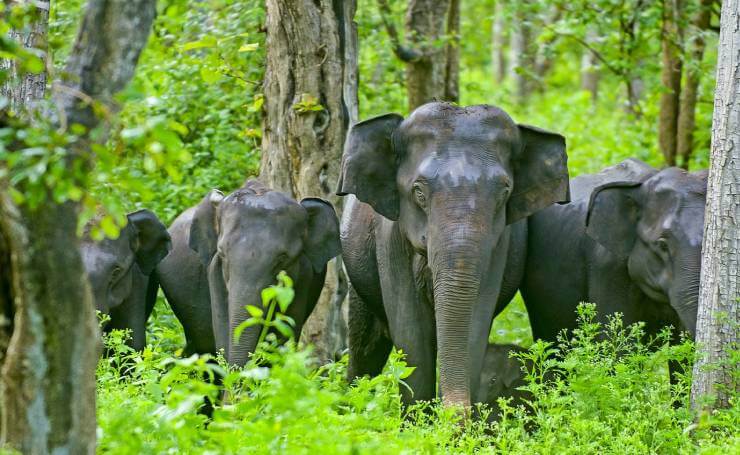
Day 6: Early morning safari to spot wild elephants, gaur, and sambar deer. Visit local organic spice and coffee plantations practicing shade-grown agriculture before departure.
🛠️ Infrastructure & Facilities
Eco-Accommodations:
Forest Department Huts & Tents: Run by the Kerala Forest Dept / KFDC inside reserves (e.g., Gavi, Parambikulam, Thenmala) featuring basic amenities, solar lighting, and bio-toilets.
Community Homestays: Registered local homes (especially in Kumbalangi and Wayanad) that support farm-to-table dining and direct local income generation.
Certified Green Resorts: Private lodges certified by Kerala Tourism for greywater treatment, rainwater harvesting, and plastic-free operations.
Eco-Friendly Transport:
Strict quotas on motorized vehicles in forest buffer zones.
Bamboo rafts, row canoes, electric boats, and mountain bikes provided at eco-nodes.
Guided Ecosystem (EDCs & VSS):
Tourism activities inside protected areas are managed by Eco-Development Committees (EDCs) and Vana Samrakshana Samitis (VSS). Local villagers and former forest extractors are employed as certified naturalists, guides, and anti-poaching patrollers.
Waste & Environmental Rules:
Strict enforcement of zero single-use plastic policies in protected reserves (Periyar, Gavi, Wayanad).
Water refilling stations and biodegradable bamboo/leaf packaging are widely integrated across facilities.
❓ Frequently Asked Questions (FAQs)
1. How do I book official eco-tourism packages in Kerala?
Book directly through official government portals:
Kerala Forest Development Corporation (KFDC): For Gavi, Meesapulimala, and forest lodges.
Periyar Tiger Reserve (PTR) Portal: For bamboo rafting, border hiking, and tiger trails.
DTPC (District Tourism Promotion Councils): For village programs like Kumbalangi and Thenmala.
2. What is the best time of year for eco-tourism in Kerala?
September to March: Ideal for trekking, wildlife safaris, and comfortable backwater weather.
June to August (Monsoon): Lush scenery and filled waterfalls (great for Thenmala and plantations), though some deep forest trekking trails close for safety.
3. Do I need special forest permits?
Yes, for core and restricted buffer zones (e.g., Silent Valley, Gavi, Parambikulam). Booking official packages through the Forest Department or authorized EDCs automatically includes the mandatory entry permits and guide allocations.
4. How does eco-tourism directly help local communities in Kerala?
Revenue generated from entry fees, guiding charges, and homestays goes straight to local EDC/VSS funds. This directly finances local infrastructure, schools, anti-poaching wages, and tribal welfare programs.