
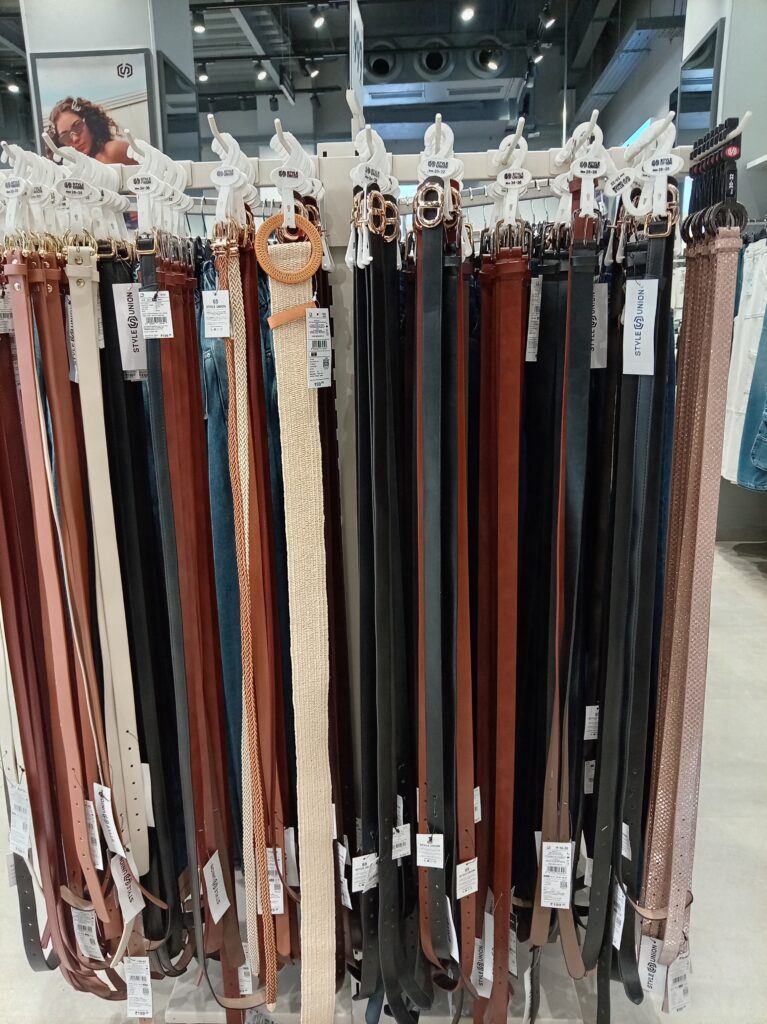
Leather Belt wholesale and retailers – Leather manufacturing and craftsmanship
India is one of the world’s largest hubs for leather manufacturing and craftsmanship. The industry spans major production clusters, distribution networks, specialized manufacturing infrastructure, and flexible supply channels for both wholesale and retail businesses.
1. Key Leather Belt Wholesale & Retail Markets in India
Leather belt sourcing in India is divided across key regional hubs known for specific leather qualities, price points, and manufacturing capabilities:
Major Wholesale Hubs & Industrial Clusters
Kanpur & Agra (Uttar Pradesh): Known as the premier leather capital of Northern India. Offers high-grade genuine leather (full-grain, split leather) and formal/industrial belt production.
New Delhi (Sadari Bazaar, Karol Bagh, Pahar Ganj): The largest distribution hub for bulk wholesale buyers. Houses both genuine leather and synthetic/leatherite options at competitive price ranges.
Chennai & Ranipet (Tamil Nadu): Specializes in export-quality, top-grain leather processing, finished fashion goods, and eco-friendly vegetable-tanned leather belts.
Kolkata (West Bengal – Bantala Leather Complex): Major processing hub for finished leather accessories, offer custom embossed, casual, and formal belt lines.
Mumbai & Dharavi (Maharashtra): Hub for trendy, retail-ready fashion belts, artisan leather goods, and high-volume retail supply chains.
Common Sourcing Channels
B2B Wholesale Platforms: IndiaMART, TradeIndia, and ExportersIndia connect buyers directly with verified OEMs and regional manufacturers.
Direct Manufacturer Partnerships: Working with factories in Kanpur or Chennai for custom private-label branding and export orders.
2. Infrastructure & Operational Facilities Required
Setting up a unit—whether for manufacturing, bulk processing, or running a wholesale/retail business—requires specific physical and operational facilities:
Machinery & Production Facilities (Manufacturing Side)
Strap Cutting Machines: For cutting broad leather hides into uniform strap widths efficiently.
Leather Skiving & Splitting Machines: To shave down thickness and ensure uniform belt profile.
Edge Beveling, Burnishing & Creasing Machines: Smooth and finish raw edges for standard commercial standards.
Hole Punching & Tip Shaping Hydraulics: Precise die-cutting for buckle prongs and belt end styling.
Heavy-Duty Leather Sewing Machines: Stitching edge seams using high-tensile nylon or polyester thread.
Embossing & Stamping Presses: Applied for brand logos, grain patterns, and inner side size stamps.
Warehousing & Quality Control Infrastructure
Climate-Controlled Storage: Dry, well-ventilated space to prevent mildew, fungus, or moisture damage to finished genuine leather goods.
Material Testing Lab / Bench: Checking tensile strength, buckle plating quality, color fastness, and flexibility.
Packaging & Barcoding Line: Individual box/pouch packing, size labeling, and display rack preparation for retail distribution.
Legal & Regulatory Compliance Facilities
GST Registration: Standard tax rate for leather goods in India (typically 12% GST).
MSME (Udyam) Registration: Grants benefits for capital assistance, equipment purchase, and government schemes.
Environmental & Trade Licenses: Local municipality trade license and environmental standards compliance (for solvent/glue air quality management in manufacturing).
Import Export Code (IEC): Required if planning international trade/exporting.
3. Frequently Asked Questions (FAQs)
Q1: What is the minimum order quantity (MOQ) when buying from wholesale dealers in India?
A: Wholesalers typically enforce MOQs ranging from 50 to 200 pieces per design/color for standard stock items. For custom logo branding or specialized dye colors, MOQs generally start around 300 to 500 pieces.
Q2: How can I distinguish between Genuine Leather and Leatherite/PU Belts?
A:
Genuine Leather: Natural grain irregularities, soft organic smell, absorbs water drops slowly, and gets softer over time.
Leatherite / PU (Synthetic): Uniform texture pattern, chemical/plastic scent, water beads off the surface, and prone to cracking after extended bending.
Q3: What is the typical capital required to start a small leather belt wholesale/retail distribution business?
A: Sourcing inventory for a small-to-medium retail or wholesale setup usually requires an initial capital of ₹1,000,000 to ₹5,000,000. Manufacturing setups require additional machinery investment (approx. ₹5,000,000 to ₹15,000,000+ depending on scale).
Q4: Are customizable buckles and private-label packaging available from Indian suppliers?
A: Yes, most manufacturers in Kanpur, Delhi, and Kolkata offer complete private-label manufacturing. They can custom-engrave alloy buckles, print inner strap logos, and provide branded retail boxes.