
Bags Manufacturers And Retailers Across In India – Leather, synthetic, eco-friendly jute/cotton totes
The global and domestic bag industry spans leather goods, synthetic backpacks, luggage, eco-friendly jute/cotton totes, and industrial bulk packaging (FIBC). It connects specialized raw material clusters, modern stitchless and automated production facilities, wholesale supply networks, and multi-channel retail.
1. Bag Manufacturers
Manufacturers operate across distinct product categories: fashion handbags, luggage/travel gear, school/office backpacks, eco-friendly totes, and industrial PP jumbo bags.
Industry Leaders & Prominent Manufacturers
Luggage & Travel Gear Giants: Samsonite, VIP Industries (Carlton, Skybags, Aristocrat), Safari Industries, Delsey.
Backpack & Casual Gear Brands: Wildcraft, American Tourister, Fastrack, Puma, Nike, Decathlon.
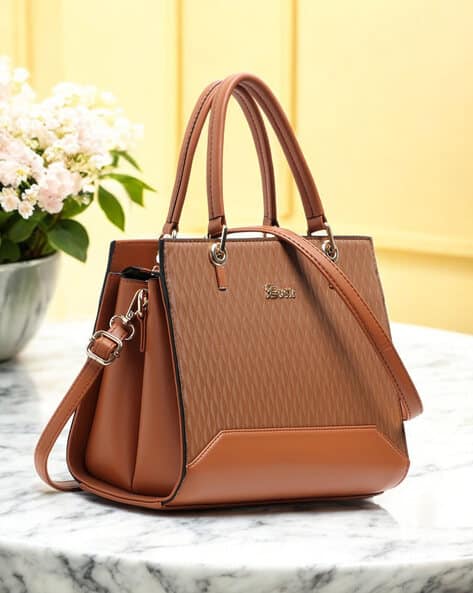
Handbags & Fashion Brands: Caprese, Lavie, Baggit, Hidesign, Da Milano, Allen Solly.
Eco-Friendly & Jute Manufacturers: Jutify, Gloster Limited, Ecohub, along with major West Bengal mill clusters.
Industrial Packaging (FIBC / PP Jumbo Bags): Singhal Industries, FlexiTuff Ventures, UFlex.
OEM / Private Label Manufacturers: Inscape Bags, Almo Impex, High Spirit Commercial, and regional contract factories producing for corporate gifting and international brands.
2. Wholesale & Retail Channels
Channel TypePrimary FunctionsKey Markets / Platforms
B2B Wholesale MarketsBulk sourcing for independent retailers, corporate buyers, and institutional orders.• Delhi NCR: Sadar Bazaar, Chandni Chowk, Karol Bagh
• Mumbai: Dharavi (Leather goods), Masjid Bunder, Crawford Market
• Kolkata: Burrabazar (Jute & fabric bags)
Digital B2B PlatformsOnline procurement connecting tier-2/3 retail shop owners with direct OEMs.IndiaMART, TradeIndia, Udaan, ExportersIndia.
Organized & EBO RetailDirect-to-Consumer (D2C) distribution through Exclusive Brand Outlets (EBOs) and Multi-Brand Outlets (MBOs).VIP Lounges, Bagline stores, Shoppers Stop, Pantaloons, Reliance Centro.
E-Commerce & D2CHigh-volume online sales driven by marketplace channels and D2C brands.Amazon
3. Infrastructure Facilities & Industrial Clusters
Bag production relies heavily on specialized textile, leather, and polymer infrastructure.
Major Manufacturing Hubs & Clusters
Mumbai & Thane (Maharashtra): Leading hub for synthetic backpacks, travel luggage assembly, corporate gifting bags, and leather craft (Dharavi cluster).
Kolkata & Howrah (West Bengal): Global capital for jute bag manufacturing, raw jute processing mills, and cotton canvas tote production.
Muzaffarpur Bag Cluster (Bihar): A rapidly expanding industrial bag manufacturing hub supported by state infrastructure and public-private partnerships.
NCR (Noida, Gurgaon, Delhi): High-density region for export-grade handbags, fashion accessories, and corporate promotional bags.
Chennai & Ambur (Tamil Nadu): Specialized in premium leather handbags and finished leather goods processing.
Supporting Infrastructure & R&D Facilities
NIFT (National Institute of Fashion Technology): Design studios and prototyping centers for leather goods and accessories.
FDDI (Footwear Design & Development Institute): Testing laboratories for leather and fashion merchandise quality control.
NJD (National Jute Board) Testing Labs: Provides technical support and quality certification for eco-friendly fibers and geotextiles.
Testing Infrastructure: Tensile strength testing for zippers/straps, hydrostatic head pressure testing for waterproof fabrics, and impact drop tests for hard-shell luggage.
4. Frequently Asked Questions (FAQs)
FAQ 1: What is the typical Minimum Order Quantity (MOQ) for custom bag manufacturing?
Answer: Factory-direct MOQs depend on the bag type:
Custom Backpacks / Laptop Bags: 300 – 1,000 pieces per style/colorway.
Jute / Canvas Totes: 500 – 2,000 pieces (due to bulk fabric dye lots).
Hard-Shell Trolley Luggage: 1,000+ pieces to justify custom mold tooling costs.
For smaller orders (50–100 units), working with regional stockists or digital B2B suppliers using stock blanks and custom screen printing is recommended.
FAQ 2: What is the difference between polyester denier ratings (e.g., 600D vs. 1680D)?
Answer: Denier (D) measures the linear mass density of the fiber thread. A higher denier number indicates a thicker, heavier, and more abrasion-resistant fabric.
300D – 600D Polyester: Lightweight, common for school bags and promotional totes.
900D – 1680D Ballistic Nylon / Polyester: High-durability, water-resistant fabrics used for travel luggage, heavy-duty laptop backpacks, and tactical gear.
FAQ 3: How are OEM and ODM production models applied in the bag industry?
Answer:
OEM (Original Equipment Manufacturer): You provide complete CAD patterns, material specs (zippers, fabrics, buckles), and tech packs. The factory manufactures strictly according to your specifications.
ODM (Original Design Manufacturer): The factory offers pre-designed bag templates. You pick a base model and customize elements like logo branding, color combinations, and lining fabrics.
FAQ 4: What compliance standards should buyers request from bag factories?
Answer: For domestic and global export readiness, check for:
ISO 9001: Quality management systems.
BSCI / SA8000: Social compliance and ethical labor audits.
REACH / OEKO-TEX Standard 100: Ensures raw fabrics, dyes, and coatings are free from hazardous chemicals and heavy metals.