
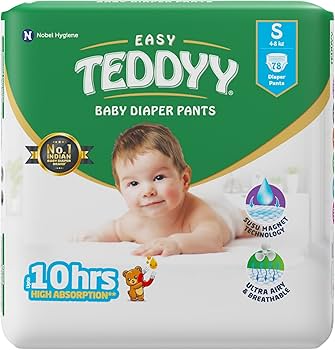
Baby Care & Diapering – Eco-friendly taped/pant diapers
Baby Care & Diapering Essentials
Items: Eco-friendly taped/pant diapers, organic baby wipes, feeding bottles, and baby grooming kits
Selecting gentle, non-toxic baby essentials helps protect sensitive newborn skin and simplifies daily care routines.
Baby Care & Diapering Essentials
Item CategoryKey FeaturesPrimary Benefits
Eco-Friendly Taped & Pant DiapersPlant-based materials (bamboo, FSC-certified wood pulp), elemental chlorine-free (TCF), fragrance-free. Available in side-tape or stretch pull-up styles.Reduces diaper rash risk, provides breathable leak protection, and minimizes environmental footprint.
Organic Baby Wipes99%+ water base infused with organic chamomile, aloe vera, or jojoba oil. 100% biodegradable bamboo or organic cotton sheets.Hypoallergenic and alcohol-free formula protects the natural skin barrier without leaving harsh chemical residue.
Feeding BottlesMedical-grade glass or food-grade silicone with anti-colic ventilation valves and breast-like slow-flow nipples.Prevents gas and reflux while ensuring 100% BPA, BPS, and phthalate-free milk delivery.
Baby Grooming KitsErgonomic set containing soft-bristle hairbrushes, rounded safety nail scissors, nail files, nasal aspirators, and digital thermometers.Allows precise, safe trimming and hygiene upkeep without risking skin nicks or scratches.
Frequently Asked Questions (FAQs)
Q: Should I choose taped diapers or pant diapers for my baby?
Taped Diapers: Best for newborns and infants up to 6 months. Adjustable side tabs allow a customized fit around the sensitive umbilical cord area and make changes easier while baby lies flat.
Pant Diapers: Best for active, crawling, or standing toddlers. They pull up quickly like underwear and feature tear-away side seams for mess-free removal.
Q: Why are eco-friendly diapers and organic wipes better for newborns?
Conventional options often contain synthetic fragrance, chlorine bleach derivatives, and plastics that trap heat. Eco-friendly diapers and organic wipes use breathable, plant-derived fibers and chemical-free cleansers that maintain optimal skin pH and significantly lower the chance of contact dermatitis.
Q: How do I pick the right nipple flow rate for feeding bottles?
Nipple flow rates control milk velocity. Newborns (0–3 months) need Extra-Slow or Slow Flow (Level 1) to prevent choking and mimic natural breastfeeding pace. Upgrade to Medium Flow (3–6 months) and Fast Flow (6+ months) as baby’s sucking strength increases.
Q: How often should baby grooming tools be cleaned and sanitized?
Wipe down metallic tools (scissors, clippers) with 70% isopropyl alcohol after each use. Wash soft hairbrushes and nasal aspirators with warm, soapy water after every use, allowing them to air-dry completely to prevent moisture buildup inside valves.
What are the detailed pros and cons of glass vs silicone feeding bottles for newborns?
Both glass and silicone feeding bottles offer non-toxic, plastic-free alternatives for newborns, but they differ significantly in weight, durability, and practical handling.
FeatureGlass Feeding BottlesSilicone Feeding Bottles
Material & SafetyTempered borosilicate glass. 100% free from chemicals, microplastics, or odor absorption.Food-grade silicone. Flexible, BPA-free, and free from microplastics.
Durability & LifespanThermal shock-resistant; highly durable over time, but can crack or shatter if dropped on hard surfaces.Unbreakable and drop-proof. Long-lasting, though silicone can absorb oils or discolor over time.
Cleaning & HygieneSuper easy to clean, highly stain-resistant, dishwasher-safe, and withstands repeated high-temp sterilization without degradation.Requires thorough cleaning; prone to attracting dust, lint, or soap scent/taste if washed with scented soaps.
Weight & HandlingHeavy; requires adult assistance during early months and harder for growing infants to hold independently.Lightweight and soft; easy for older babies to hold, though the squishy body can lead to accidental milk squeezes.
Heating SpeedHeats milk quickly and evenly in warm water bath setups.Slower thermal transfer; takes slightly longer to warm up cold milk or breastmilk.
Glass Bottles
Pros: Thermal shock resistance means you can move them straight from freezer to bottle warmer. They clean effortlessly without retaining odors, scratches, or cloudy residues.
Cons: Heavy to pack in diaper bags and risk breakage on tile floors (mitigated somewhat by protective silicone sleeves).
Silicone Bottles
Pros: Completely shatterproof and tactilely warm, mimicking the natural feel of breastfeeding. Ideal for travel and daycare.
Cons: The pliable body makes measuring precise liquid levels trickier, and milk warms up slower due to silicone’s insulating properties.
What are the top-rated glass and silicone baby bottle brands for newborns, including features like anti-colic valves?
Here are top-rated glass and silicone baby bottle options designed for newborns, featuring anti-colic ventilation systems to reduce gas, burping, and reflux.
Top-Rated Glass Baby Bottles
The Dr. Brown’s Options+ Narrow Glass Bottle uses a patented internal vent system that routes air away from milk, making it a leading choice for reducing severe newborn gas and colic.
Material: Thermal shock-resistant borosilicate glass.
Anti-Colic Feature: Two-piece internal green vent system.
Best For: Newborns with severe colic, reflux, or gas issues.
The Chicco Well-Being Glass Bottle combines pure glass construction with a flexible Physio nipple, designed to support a natural latch for young infants.
Material: Pure glass body with silicone teat.
Anti-Colic Feature: Integrated anti-colic valve built directly into the base of the nipple.
Best For: Daily home feeding and easy, low-maintenance cleaning.
The wide-neck edition of the Dr. Brown’s Glass Bottle features a broader, breast-like nipple base to assist babies transitioning between breast and bottle.
Material: High-durability borosilicate glass.
Anti-Colic Feature: Internal anti-colic vent system.
Best For: Combo-fed infants who need extra latch support.
Top-Rated Silicone Baby Bottles
The Comotomo Baby Bottle features a soft, squeezable body made of medical-grade silicone, making it highly effective for breastfed newborns transitioning to bottle-feeding.
Material: Food-grade, BPA-free soft silicone.
Anti-Colic Feature: Dual smart-air vents integrated into the wide nipple base.
Best For: Breastfed babies and overall shatterproof travel use
The Nanobebe Flexy Silicone Bottle is built with a non-tip stable base and triple-vented nipple structure to maintain consistent flow without trapping air bubbles.
Material: Soft, skin-like silicone with non-collapsing nipple design.
Anti-Colic Feature: 360-degree, triple anti-colic ventilation system.
Best For: Stable handling during nighttime feedings and travel.
The MAM Easy Start Anti-Colic Bottle features a vented base that regulates air pressure alongside a soft SkinSoft silicone nipple.
Material: Vented polypropylene base with ultra-soft silicone teat.
Anti-Colic Feature: Bottom-vented base valve preventing bubble formation.
Best For: Smooth milk flow without air pockets and easy, self-sterilizing convenience.
Comparison Overview
BottleBody MaterialAnti-Colic MechanismStandout Advantage
Dr. Brown’s GlassBorosilicate GlassInternal vent tubeClinically proven for severe gas/colic
Chicco Well-BeingGlassNipple-integrated valveSimple 3-piece assembly
Comotomo SiliconeMedical-grade SiliconeDual nipple ventsSoft breast-like feel for easy latch
Nanobebe FlexySiliconeTriple-vented teatNon-tipping base design
MAM Easy StartVented Poly/SiliconeVented base valveSelf-sterilizing in the microwave
If you’d like, I can help you select bottle warming accessories or sterilizers that are safe to use with glass and silicone materials. Let me know if you would like recommendations!
Create a complete checklist for a baby hospital bag including essential diapering and feeding supplies ?
Here is a complete checklist for your baby hospital bag, categorized by essentials for baby, diapering, feeding, and parents.
1. Baby Diapering & Hygiene Essentials
Newborn Diapers: 10–15 eco-friendly taped newborn diapers (taped diapers are gentler on the healing umbilical stump).
Organic Baby Wipes: 1–2 travel packs of fragrance-free, 99%+ water-based organic wipes.
Diaper Rash Cream: 1 tube of zinc-based or organic barrier cream.
Changing Mat: 1 portable, wipeable changing pad for hospital surfaces.
Burp Cloths: 3–4 soft muslin or organic cotton burp cloths.
2. Baby Feeding Essentials
Feeding Bottles: 2–3 newborn-sized (4 oz/120 ml) glass or silicone bottles with Slow-Flow (Level 1) nipples (if formula-feeding or planning to introduce a bottle).
Formula: Ready-to-feed newborn formula or single-serve packets (if not using hospital-provided formula).
Nursing Bra & Pads: 2–3 comfortable nursing bras plus disposable or washable nursing pads.
Nipple Balm: Organic, lanolin-free or medical-grade lanolin nipple butter for early latching comfort.
Nursing Pillow: Optional, but helps support your arms during feeding sessions.
3. Baby Clothing & Going-Home Gear
Onesies / Sleepers: 3–4 footed onesies (zippers are much easier than snaps for midnight diaper changes).
Swaddle Blankets: 2 soft cotton or bamboo receiving swaddle blankets.
Hats & Scratch Mittens: 2 soft cotton caps and 1–2 pairs of scratch mittens.
Going-Home Outfit: 1 comfortable outfit appropriate for the weather.
Car Seat: Properly installed rear-facing infant car seat (hospitals require this before discharge).
4. Essentials for Parents
Documents: IDs, health insurance cards, hospital paperwork, and birth plan copies.
Electronics: Phones, camera, and extra-long phone charging cables (outlets are often far from the bed).
Clothing: Loose going-home outfit (maternity sizing), comfy robe, and non-skid socks or slippers.
Toiletries: Toothbrush, toothpaste, lip balm, dry shampoo, and hair ties.
Postpartum Care: High-absorbency postpartum pads and comfortable high-waist cotton or disposable underwear.
How do I care for a newborn’s umbilical cord stump during diaper changes?
Caring for a newborn’s umbilical cord stump requires keeping the area clean, dry, and exposed to air so it can dry up and fall off naturally (typically within 1 to 3 weeks).
Fold the Diaper Below the Stump
Fold the front waistband of the diaper down outward before fastening the tabs. This prevents the diaper from rubbing against the stump or trapping moisture inside. Many newborn diapers come with a pre-shaped umbilical cord cutout.
2
Keep it Clean with Water Only
Avoid using rubbing alcohol or harsh antiseptic wipes, as current medical guidelines recommend “dry care.” If urine or feces soils the stump, gently wipe it clean using a plain cotton swab or soft cloth dipped in warm water, then gently pat it completely dry.
Allow Maximum Air Flow
Dress your baby in loose-fitting clothing or a simple onesie that doesn’t put pressure on the abdomen. Air exposure speeds up the drying process.
4
Let it Fall Off Naturally
Never pull, tug, or pick at the cord stump, even if it is hanging by a thread. Letting it shed on its own minimizes bleeding and infection risks.
When to Contact Your Pediatrician
Seek medical advice if you notice signs of an umbilical infection (omphalitis), including:
Redness, swelling, or warmth around the skin at the base of the stump.
Yellow or green foul-smelling pus oozing from the cord.
Active bleeding that doesn’t stop after applying gentle pressure.
Your baby cries or shows discomfort when you touch the cord area, or develops a fever.