
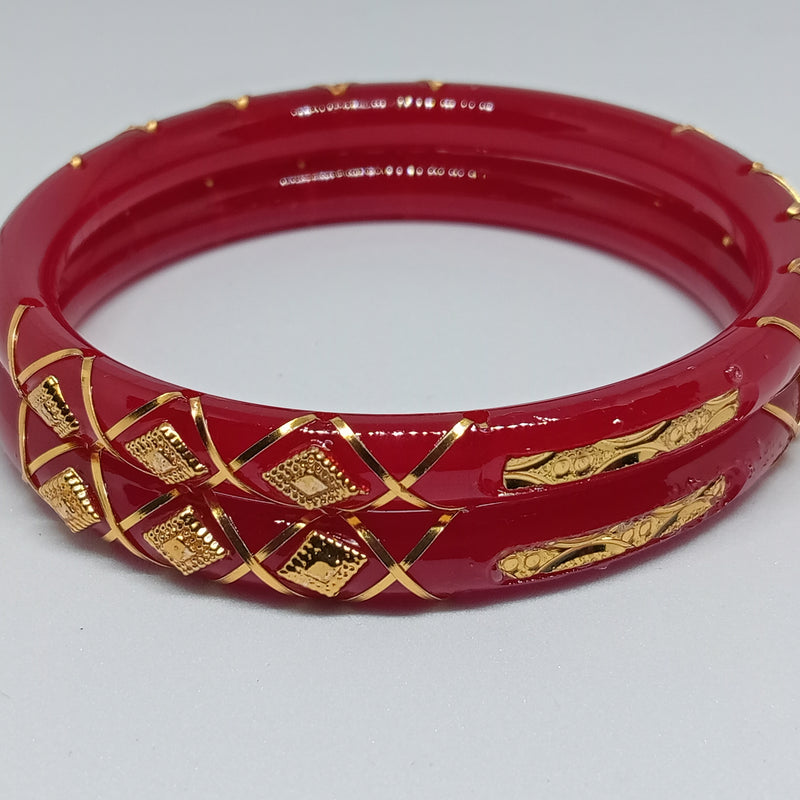
Fiber Bangles And Brass Core Bangles Manufacturers & Major Wholesalers in India
Bangle fiber (also known as acrylic, resin, fiber plastic, or polycarbonate fiber material for bangles) forms the base structural core for lightweight, unbreakable, and embellished fashion bangles.
Bangle Fiber Manufacturers & Major Wholesalers in India
Key Raw Material & Fiber Bangle Manufacturers:
Shree Parshavnath Creations (Delhi): Major manufacturer and exporter of raw acrylic/fiber bangles, lac bangles, and embellished bases.
Deepak Metal & Plastic Industries (Mumbai, Maharashtra): Wholesaler and raw material supplier for acrylic fiber cores, bangle base rings, and metal/fiber components.
Swastik Enterprises (Ambala, Haryana): Wholesaler supplying raw fiber rings, resin base molds, and chemical colors for bangle production.
Shree Ambika Udyog (Jaipur, Rajasthan): Produces fiber-based, lac, and handmade designer bangle bases.
Kenway Sartaj Worldwide (Moradabad, Uttar Pradesh): Large-scale manufacturer of metal, fiber, and hybrid base bangles.
Sameer Traders – Chemical & Spray (Jaipur, Rajasthan): Supplies industrial resin, acrylic fiber compounds, and surface-coating sprays used in bangle casting.
Major Wholesale Hubs in India:
Firozabad (Uttar Pradesh): The primary hub for glass and synthetic fiber bangle processing.
Jaipur (Tripolia Bazaar & Sanganer): Specialty center for fiber, lac, and thread-wound bangles.
Delhi (Sadar Bazar & Chandni Chowk): India’s largest wholesale hub for raw fiber rings, stones, and jewelry-making supplies.
Mumbai (Malad & Bhuleshwar): Distribution hub for acrylic resin fiber bases and export-grade finished bangles.
Madurai & Coimbatore (Tamil Nadu): Major distribution hubs for South Indian fiber and brass core bangles.
Infrastructure Facilities Required for Bangle Fiber Manufacturing
CategoryEssential Machinery & SetupPurpose
Material ProcessingExtrusion & Injection Molding MachinesMelts plastic/acrylic fiber granules and injects them into circular bangle molds.
Forming & SizingSizing Drums & MandrelsShapes extruded fiber tubes/strips into exact millimeter diameter sizes (e.g., 2.2, 2.4, 2.6, 2.8).
Cutting & FinishingCNC / Rotary Cutting MachinesCuts continuous fiber tubes into individual bangle rings and smooths rough edges.
Surface TreatmentBuffing & Polishing WheelsPrepares the fiber surface for high-gloss shine or paint adhesion.
Embellishment SetupLacquering & Spray BoothsApplies primers, metallic paints, or adhesive bases for stone setting/silk thread winding.
Quality ControlFlexural & Tensile Testing ToolsTests break resistance, thermal tolerance, and size accuracy across production batches.
Frequently Asked Questions (FAQs)
Q1: What is bangle fiber material made of?
A: Bangle fiber is typically composed of acrylic resin (PMMA), polycarbonate (PC), or high-density polyester synthetic fiber. These materials offer high flexural strength, making the bangles shatter-proof compared to glass or pure lac.
Q2: What is the average Minimum Order Quantity (MOQ) when buying raw fiber bangles wholesale?
A: Raw fiber bangle bases are sold in bulk weight (by kilogram) or in dozen-packs. Minimum order quantities generally range from 50 to 100 sets or 10 kg to 50 kg of raw rings depending on the manufacturer.
Q3: How are fiber bangles decorated or processed further?
A: Raw fiber rings serve as the structural base. Artisans decorate them by winding silk/zari thread, applying epoxy glue to set Kundan or rhinestones, or spray-coating them with metallic lacquer.
Q4: Is a high capital investment required to start a small-scale fiber bangle unit?
A: No. While a full-scale extrusion plant requires significant capital (₹15–30 Lakhs+), small-scale assembly/finishing units can be started with ₹1–3 Lakhs by sourcing pre-extruded raw fiber rings from wholesale hubs like Firozabad or Delhi and focusing on value-addition (carving, stone-setting, or thread work).