
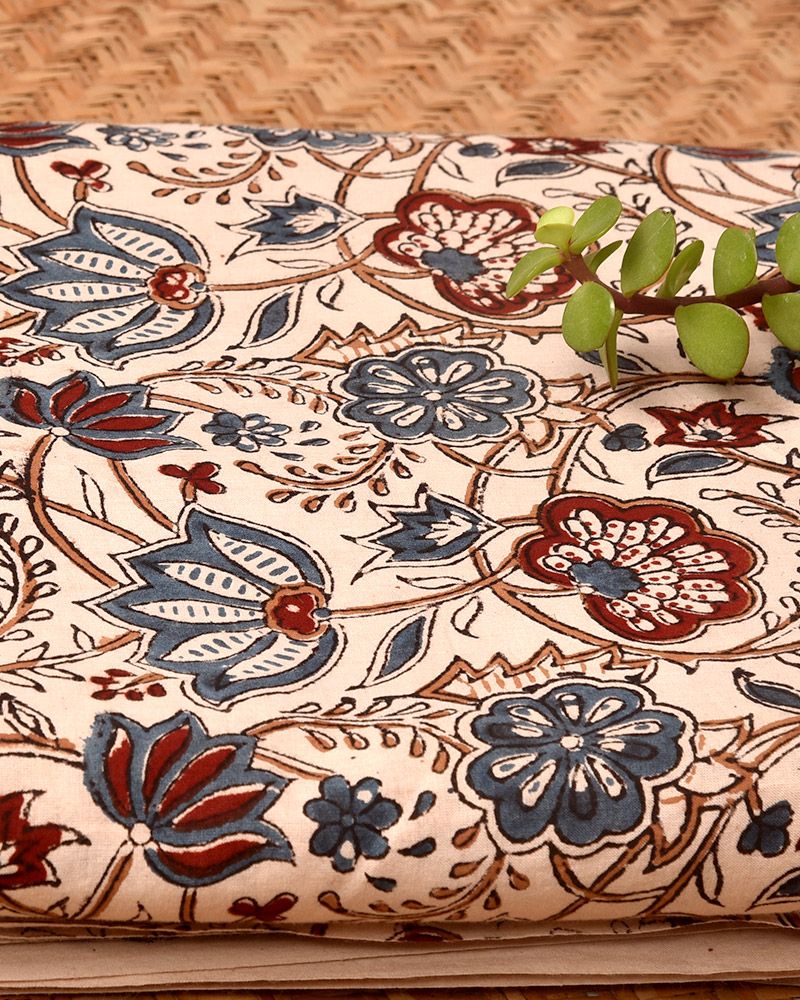
bagru textile
Here are the details for Bagru textiles, along with a set of FAQs, written for your website or content needs without any agency references.
About Bagru Textiles (Bagru Handblock Printing)
Bagru textile printing is one of the oldest and most celebrated traditional hand-block printing crafts of India. Originating in the small desert village of Bagru, located about 30 kilometers south of Jaipur in Rajasthan, this craft has been sustained for centuries by the Chhipa community. Renowned for its eco-friendly processes, geometric and floral motifs, and distinctive earthen palette, Bagru printing remains a hallmark of sustainable textile artistry.
Key Characteristics & Craft Techniques
- The Artisans: The Chhipa community has practiced this craft for generations, passing down intricate wooden block-carving and printing skills from parent to child.
- Natural Dyes: A defining feature of authentic Bagru textiles is the exclusive use of natural vegetable and mineral dyes. Traditional hues are derived from local resources:
- Red/Maroon: Derived from madder root (manjistha).
- Black: Created by fermenting scrap iron and jaggery in water.
- Yellow: Extracted from turmeric or pomegranate peels.
- Green/Indigo: Achieved using indigo leaves and natural mordants.
- The Mud-Resist Process (Dabu Printing): Bagru is famous for its variation of the Dabu technique. Artisans apply a specialized mud paste (made from clay, gum, and waste wheat chaff) onto the fabric using wooden blocks to resist dye absorption. When dyed and washed, the mud-resistant areas retain their original color, creating striking negative-space patterns.
- Signature Motifs: Designs are heavily inspired by nature and geometry, featuring motifs such as butnis (small dots), bel (creepers), jaal (interlocking floral or geometric nets), leaves, buds, and animal figures.
- Base Fabrics: Traditionally practiced on coarse, durable cottons and silks, modern Bagru printing is applied to a wide range of breathable fabrics including handloom cotton, mulmul (fine muslin), chanderi, and linen.
Frequently Asked Questions (FAQs)
Q1. What is Bagru textile printing?
Bagru textile printing is a traditional Indian hand-block printing technique originating from Bagru, Rajasthan. It is characterized by the use of hand-carved wooden blocks, eco-friendly natural dyes, and geometric or floral motifs printed primarily on cotton fabrics.
Q2. How is Bagru printing different from other block-printing techniques like Sanganeri?
While both originate near Jaipur, Bagru printing is easily distinguished by its color palette and background. Bagru traditionally uses a mud-resist technique (Dabu) and relies heavily on deep, earthy tones like indigo blue, madder red, and black against neutral or dyed backgrounds. Sanganeri prints, by contrast, typically feature finer, more delicate floral motifs set against white or off-white backgrounds.
Q3. Are natural dyes used in authentic Bagru textiles?
Yes. Authentic Bagru printing uses sustainable, skin-friendly natural dyes extracted from plants, roots, flowers, and natural minerals (such as iron rust and madder root) without harmful synthetic chemicals.
Q4. How do I care for and wash Bagru printed fabrics?
To preserve the natural colors and fabric integrity:
- Hand wash gently in cold water using a mild, chemical-free detergent.
- Do not soak the fabric for extended periods, especially during the first wash.
- Dry in shade inside-out to prevent fading from direct sunlight.
- Natural-dyed fabrics may bleed slight excess color during the first few washes; this is normal and settles over time.
Q5. Why do Bagru printed fabrics sometimes have slight irregularities?
Every piece of Bagru textile is entirely handmade by artisans using manual wooden blocks and hand-stamped alignments. Minor imperfections, overlapping prints, or slight variations in color are the hallmarks of genuine handcrafted products, ensuring that no two pieces are identical.