What is the main difference between Alandi and Dehu?
Alandi is dedicated to the legacy and final resting place of Sant Dnyaneshwar (13th century) and is known for its peaceful, meditative samadhi temple. Dehu is dedicated to the life, birth, and poetic verses of Sant Tukaram (17th century) and is famous for its vibrant Abhanga singing and the riverside Gatha Mandir.
What is the significance of the Indrayani River in these towns?
The Indrayani River physically and spiritually connects both towns. Taking a ritual dip in its waters is considered highly sacred before visiting the shrines. The riverbanks feature beautifully designed Ghats (stone steps leading down to the water) where daily community prayers and evening light ceremonies (Aarti) take place.
What are the main festivals celebrated in Alandi and Dehu?
While the Ashadhi Ekadashi period (June/July) marks the grand departure of the Palkhi processions, Alandi sees its largest standalone crowd during Kartik Ekadashi (November), which marks the anniversary of Sant Dnyaneshwar’s Samadhi. Dehu sees its highest influx of travelers during Tukaram Beej (March), celebrating the day Sant Tukaram is believed to have departed for heaven.
Can Alandi and Dehu be visited together in one day?
Yes, absolutely. Because they are located just 15 km apart, most tourists seamlessly combine them into a single-day spiritual circuit from Pune or Pimpri-Chinchwad. A typical day trip covers Alandi in the morning and Dehu by afternoon/evening.
How far are Alandi and Dehu from central Pune city?
Alandi is located approximately 22 km north of central Pune (near Swargate/Shivajinagar), while Dehu is roughly 27 km northwest. Both locations can be easily reached within 45 to 60 minutes via private car or app-based cabs. Regular PMPML city buses also connect central Pune to both temple terminuses.
Are there proper accommodation and food facilities available for tourists?
Both towns offer several Dharamshalas and highly budget-friendly lodgings run by various temple trusts. For more premium hotel stays, travelers usually base themselves in nearby municipal areas like Chakan, Pimpri, or Pune City. Simple, delicious vegetarian Maharashtrian food (like Maha-Prasad, Khichdi, and Bhakri) is widely available around both temple complexes.
Create a scannable 1-day travel itinerary connecting Pune to Alandi and Dehu with transit times and best temple hours?
This family-friendly 1-day spiritual itinerary links Pune to the peaceful riverside twin towns of Alandi and Dehu. It is specifically designed to align with the best morning and evening temple hours while keeping transit times short.
Taking an app-based cab or private car from Pune allows for a highly flexible schedule across both locations.
🗓️ Master Timeline Summary
07:00 AM – 07:45 AM: Transit: Pune City Center to Alandi (approx. 45 mins)
07:45 AM – 10:30 AM: Alandi Sant Dnyaneshwar Mandir Darshan & Ghats
10:30 AM – 11:15 AM: Transit: Alandi to Dehu Village (approx. 45 mins)
11:15 AM – 01:15 PM: Dehu Main Temple & Indrayani River Exploration
01:15 PM – 02:30 PM: Traditional Maharashtrian Lunch
02:30 PM – 03:00 PM: Transit: Dehu Main Temple to Gatha Mandir (approx. 15 mins)
03:00 PM – 04:30 PM: Sant Tukaram Gatha Mandir Visit (Afternoon Reopening)
04:30 PM – 05:30 PM: Transit: Dehu back to Pune City Center (approx. 1 hour)
🏛️ Step-by-Step Itinerary
🚗 Morning Departure & Transit
Departure Time: 07:00 AM from central Pune (Shivajinagar/Swargate area).
The Route: Head north via the Pune-Alka Talkies Road/Alandi Road (approx. 22 km). Arriving early helps you bypass heavy morning commuter traffic heading out of the city.
Sant Dnyaneshwar Maharaj Sanjeevan Samadhi Mandir, Alandi
Arrive during the golden morning hours, which are widely considered the best time to experience the peaceful, meditative ambiance of Sant Dnyaneshwar Mandir.
Time Allocation: 07:45 AM – 10:30 AM
Best Temple Hours Note: Arriving before 08:30 AM lets you experience the quiet atmosphere right after the morning Kakad Aarti crowds thin out, minimizing waiting lines.
What to Do: Visit the inner sanctum to sit before the historic Sanjeevan Samadhi under the sacred Ajana tree. Afterwards, walk down to the Alandi Ghats on the Indrayani River to witness morning prayers.
Breakfast: Stop by one of the simple local stalls near the main gate for a quick breakfast of hot Sabudana Khichdi, Poha, or tea.
🚗 Inter-city Transit: Alandi to Dehu
Departure Time: 10:30 AM
Duration: Approx. 45 minutes (15 km via the Dehu-Alandi Road).
Scenery: The drive is a straightforward, direct route through the northern suburbs and rural edges of Pimpri-Chinchwad.
Sant Tukaram Maharaj Mandir (Old Temple Compound), Dehu
Head directly to the historic core of Dehu village to visit the ancestral temple grounds of Sant Tukaram Maharaj Temple.
Time Allocation: 11:15 AM – 01:15 PM
What to See: Explore the ancient temple structure enclosing the wooden pillar where Sant Tukaram regularly stood to compose his Abhangas. Walk out to the adjacent riverbank stone steps where his handwritten manuscripts are historically believed to have floated back up from the river waters.
🍽️ Lunch & Afternoon Break
Time Allocation: 01:15 PM – 02:30 PM
Family Dining: Treat the family to a comforting, 100% vegetarian Maharashtrian Thali or simple Pithla Bhakri at one of the family-run dining halls (Khanavals) located right outside the temple gates.
Note: The main temples briefly close their inner shrines between 01:00 PM and 03:00 PM for afternoon deity rest rituals, making this the perfect slot for your family's lunch break.
Sant Tukaram Gatha Mandir, Dehu
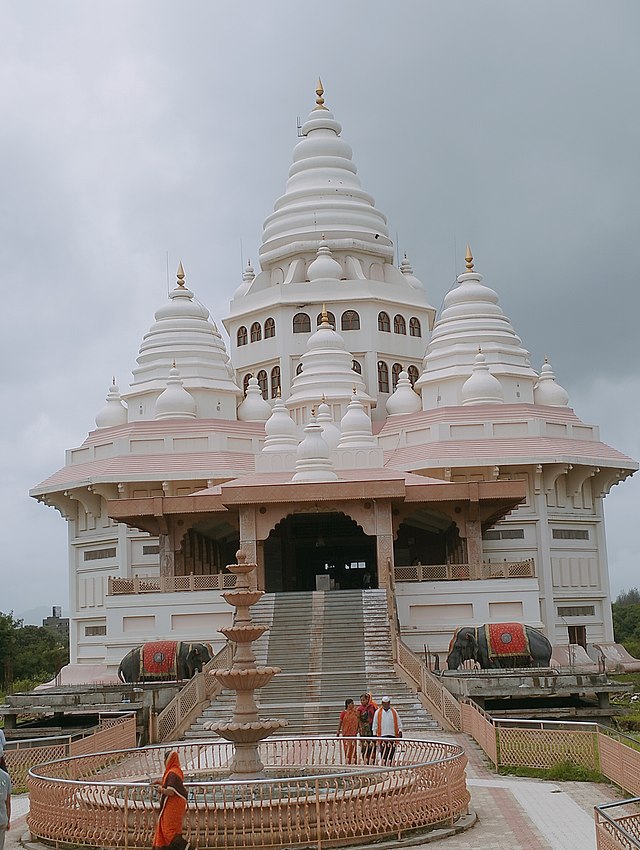
Conclude your trip at the visually stunning Sant Tukaram Gatha Mandir, a modern architectural landmark situated slightly outside the old village limits.
Time Allocation: 03:00 PM – 04:30 PM
Best Temple Hours Note: The Gatha Mandir reopens promptly at 03:00 PM. Arriving right at opening lets you tour the premises comfortably before the evening weekend crowds arrive.
What to See: Walk through the massive white marble complex. Take time to read some of the 4,000+ authentic Abhanga verses beautifully carved onto each of the interior stone wall panels.
💡 Essential Travel Rules for Families
Dress Code: Both towns maintain highly traditional values. Ensure all family members wear conservative attire (Kurtas, Sarees, or long trousers) suitable for stepping into active prayer halls.
Footwear Management: You will be removing your shoes frequently at multiple temple entrances. Wearing easy-to-slip-on sandals or slip-on shoes will save your family a lot of time throughout the day.
Monsoon Warning: If you are planning this trip during the heavy monsoon season (June to September), exercise extreme caution near the Indrayani River banks as the water levels can rise rapidly due to dam releases upstream.