
Alappuzha Town
The Spirit of Alappuzha/Alleppey: Venice of the East
The Spirit of Alappuzha/Alleppey: Venice of the East
Often described as a living postcard, the Alleppey (Alappuzha) backwaters are a breathtaking, 900-kilometer labyrinth of tranquil canals, brackish lagoons, and expansive lakes parallel to the Arabian Sea.
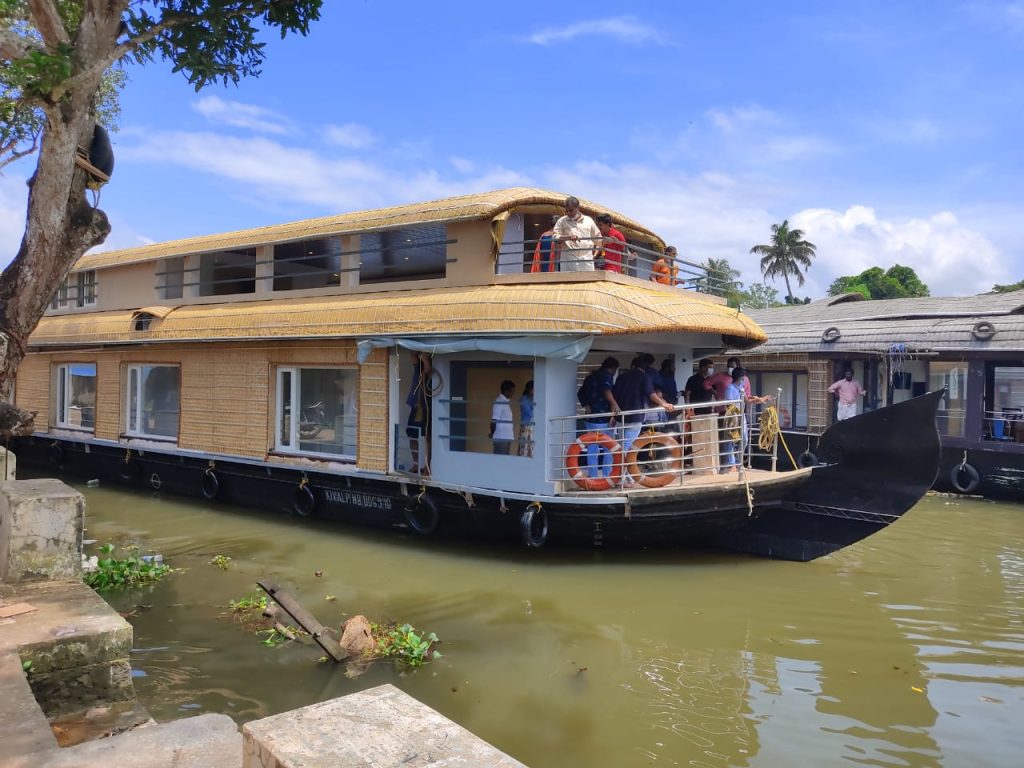
Gliding through these emerald waters on a traditional Kettuvallam (a luxurious, thatch-roofed houseboat crafted without a single nail) offers a peaceful window into timeless village life. As the boat drifts along, you are surrounded by endless groves of swaying coconut palms, vibrant green paddy fields of the low-lying Kuttanad region, and local artisans weaving coir or casting fishing nets. From dazzling golden sunrises over Vembanad Lake to a rich tapestry of local birdlife like kingfishers and egrets, Alleppey isn’t just a destination—it’s an immersive, soothing sensory experience.
Alappuzha (historically known as Alleppey) is often celebrated as the “Venice of the East” and serves as the ultimate hub for Kerala’s iconic backwater tourism. Located along the Laccadive Sea, the town is renowned for its intricate network of tranquil canals, backwaters, lagoons, and traditional houseboat cruises.
- Backwater Cruises: The town is the primary starting point for overnight or day cruises on traditional wooden houseboats (kettuvallams), motorized shikaras, and canoes navigating through the serene Vembanad Lake and surrounding canals.
- Alappuzha Beach & Lighthouse: Featuring a historic 19th-century lighthouse overlooking the Arabian Sea, the coastal area offers scenic sunset views and a long pier stretching into the waters.
- Coir Industry & Heritage: As the center of Kerala’s coir manufacturing industry, the town showcases traditional coir-weaving cooperatives, mats, and floor coverings crafted from coconut fiber.
- Vallam Kali (Snake Boat Races): Alappuzha is famous for hosting thrilling traditional snake boat races, most notably the annual Nehru Trophy Boat Race held on the Punnamada Lake.
Practical Visitor Information
- Best Time to Visit: October to February offers pleasant, breezy weather ideal for cruising and sightseeing. The monsoon season (June to September) also attracts travelers looking to experience Ayurvedic treatments and lush green landscapes.
- How to Reach:
- By Air: Cochin International Airport (COK) is about 85 km away.
- By Train: Alappuzha Railway Station (ALLP) connects the town directly to major cities like Kochi, Thiruvananthapuram, and Bangalore.
- By Road: Well-connected via National Highway 66, making it easily accessible from Kochi and Kollam.