
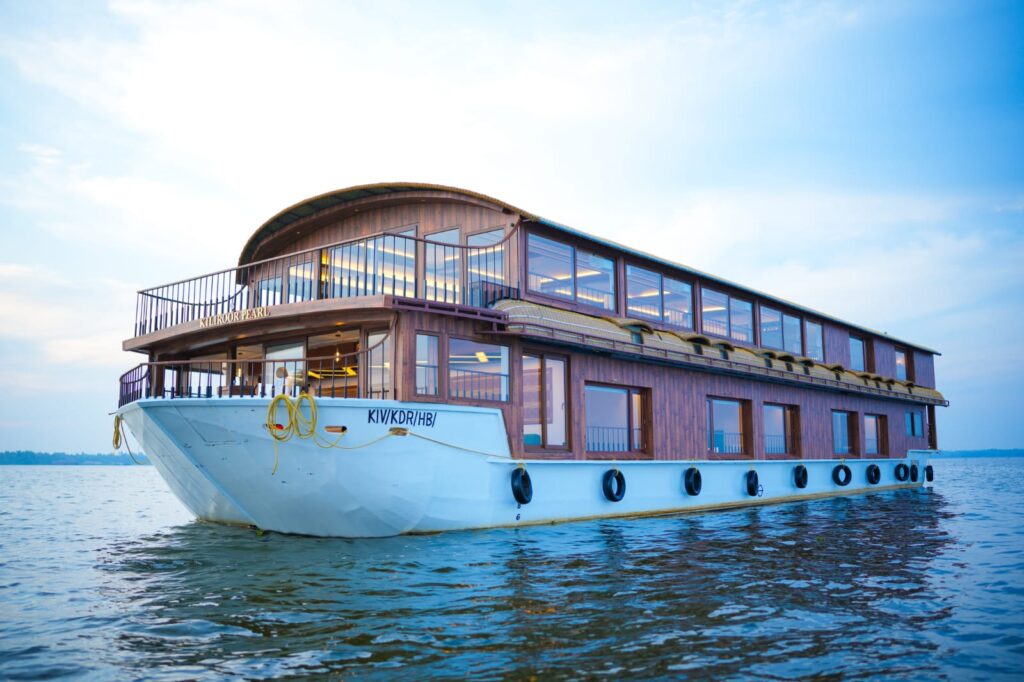
Alleppey boathouse
Here is a comprehensive overview of Alleppey houseboats (traditional kettuvallams), focusing on the experience, routes, amenities, and essential FAQs without any specific travel agency promotions:
Overview of Alleppey Houseboats
Houseboats in Alleppey are traditional wooden vessels historically used for transporting rice and spices (kettuvallams), now converted into floating comfort accommodations. Cruises take you through the serene backwaters, palm-fringed canals, vast lakes (such as Vembanad Lake), and rural village waterways of Alappuzha (the “Venice of the East”).
Types of Cruises Available
- Overnight Cruise: The most popular option. Embarkation begins at 12:00 PM, cruising through the afternoon, and the boat anchors by 5:30 PM (as per government regulations prohibiting night navigation). Checkout is at 9:00 AM the next morning.
- Day Cruise: Typically runs from 11:00 AM to 5:00 PM, ideal for travelers short on time who want to experience daytime cruising and lunch on board without staying overnight.
Accommodation & Pricing Tiers
- Deluxe / Standard: Basic air-conditioned bedrooms (AC usually operated during specific night hours, e.g., 9:00 PM to 6:00 AM), standard wooden interiors, and attached bathrooms.
- Premium: Better quality furnishings, full-time or longer AC availability, glass-enclosed upper decks or living areas for panoramic views, and superior service.
- Luxury / Ultra-Luxury: Multi-level boats, spacious bedrooms, modern luxury amenities, premium dining setups, and personalized hospitality.
- Bedroom Configurations: Available from 1-bedroom (ideal for couples) up to 5+ bedrooms for large families or groups.
Onboard Dining
Meals are freshly prepared on board by a dedicated chef. The menu typically features authentic Kerala cuisine:
- Welcome Drink: Tender coconut water or local tea with banana snacks.
- Lunch: Kerala rice, fish curry/fry, vegetable thoran, sambar, rasam, and papad. (Chicken or vegetarian alternatives are standard).
- Evening: Tea/coffee with traditional snacks (like parippu vada or banana fritters).
- Dinner: Chappathis, appam, chicken curry, and vegetarian side dishes.
- Breakfast: Appam/idli with stew, bread, eggs, and fresh juice/tea.
Frequently Asked Questions (FAQs)
1. What is the standard schedule of an overnight houseboat cruise?
- 12:00 PM: Boarding at the jetty (such as Finishing Point or Pallathuruthy), welcome drink, and start of the cruise.
- 1:00 PM – 2:30 PM: Lunch break while the boat is anchored.
- 2:30 PM – 5:30 PM: Afternoon cruise through narrow canals, villages, and paddy fields.
- 5:30 PM to 8:00 AM (Next Day): The boat anchors securely by the lakeside or riverbank for the night. (Guests can take evening walks along the banks or relax on board).
- 8:00 AM – 9:00 AM: Morning cruise, breakfast, and checkout at 9:00 AM.
2. Why do houseboats stop moving in the evening?
Government regulations prohibit houseboat movement after 5:30 PM to prevent accidents with local fishermen’s nets and to protect the delicate backwater ecosystem.
3. Is air conditioning available throughout the day?
In standard and deluxe houseboats, AC in bedrooms is typically operational from 9:00 PM to 6:00 AM (nighttime). Premium and luxury boats often offer 24-hour air conditioning in the bedrooms and sometimes in the common living areas.
4. Where are the main boarding locations in Alleppey?
The most common departure points are:
- Finishing Point Jetty: Located near the Punnamada Lake (famous for the Nehru Trophy Boat Race).
- Pallathuruthy Jetty: Located a few kilometers south of the town center, often preferred for quieter routes.
5. How do I reach Alleppey for a houseboat cruise?
- By Air: Cochin International Airport (COK) is approximately 85 km away.
- By Train: Alappuzha Railway Station (ALLP) is well-connected to major South Indian cities and is just 4–6 km from the main jetties.
- By Road: Accessible via National Highway 66 from Kochi, Trivandrum, and other major regional hubs.
6. Are safety equipment and life jackets available on board?
Yes, all licensed houseboats are required by port authorities to carry life jackets, first-aid kits, and fire safety equipment.