
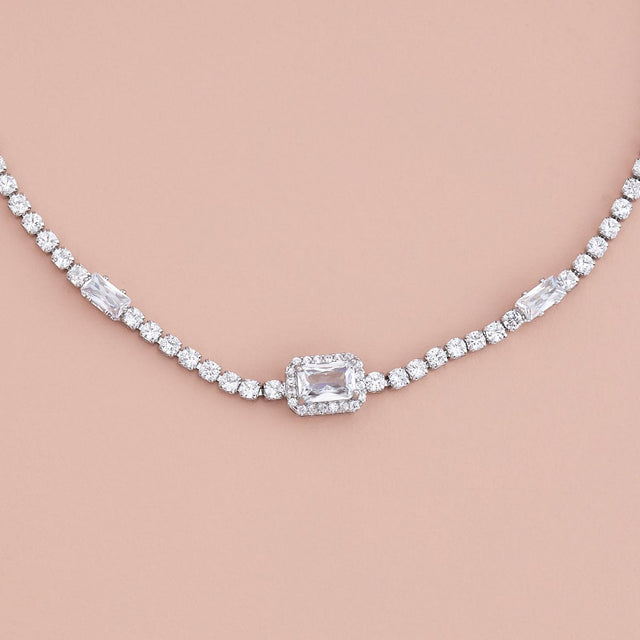
Artificial & Minimalist Jewelry -Oxidized silver jewelry, anti-tarnish daily wear, Korean-style
Artificial & Minimalist Jewelry items impulse-purchase rates, Oxidized silver jewelry, anti-tarnish daily wear, Korean-style earrings, and personalized necklaces
Artificial and minimalist fashion jewelry represent high-margin, high-velocity e-commerce categories. Because these items combine low price friction with visual appeal, they generate exceptionally high impulse-purchase rates (often between 55% to 75% of total conversions).
Key Categories & Impulse-Purchase Dynamics
CategoryTypical Price TierImpulse Rate driversPrimary Target Audience
Korean-Style EarringsLow (Budget / Micro)Highest Impulse (70-80%): Low price point, trend-driven, K-pop/K-drama influence, lightweight aesthetics.Gen Z & Millennials, trend-conscious shoppers
Oxidized Silver JewelryLow to MidHigh Impulse (60-70%): Vintage/Boho appeal, versatile for ethnic and casual outfits, high perceived value.Festival-goers, college students, fusion-wear enthusiasts
Anti-Tarnish Daily WearMid TierModerate-to-High (50-60%): Driven by utility (“wear in the shower”, waterproof PVD coating), high repeat purchases.Working professionals, daily commuters
Personalized NecklacesMid to PremiumModerate (40-50%): Higher intent/gifting focus, requires custom input (initials/names), lower immediate impulse but higher conversion value.Gift buyers, anniversary/birthday shoppers
Category Details
Korean-Style Earrings
Characteristics: Pastel enamels, dainty pearls, asymmetrical drops, bow motifs, lightweight studs, and ear cuffs.
Why it sells fast: Extreme affordability and trend responsiveness make these “cart-fillers” or easy add-ons during checkout.
Oxidized Silver Jewelry
Characteristics: German silver, brass alloy with antique silver plating, detailed tribal or floral carving, jhumkas, chokers, and stacked bangles.
Why it sells fast: Highly visual on social media platforms (Instagram reels/TikTok), pairing effortlessly with both ethnic sarees/Kurtis and western denim.
Anti-Tarnish Daily Wear
Characteristics: 316L Stainless Steel with 18K Gold PVD (Physical Vapor Deposition) coating. Waterproof, sweat-proof, and hypoallergenic.
Why it sells fast: Solves a major consumer pain point (jewelry turning green/black), justifying a slightly higher price point for everyday wear.
Personalized Necklaces
Characteristics: Nameplates, initial pendants, birthstone charms, zodiac signets, and coordinate engravings.
Why it sells fast: Serves as a go-to last-minute gift option. High emotional attachment increases conversion rates once the user starts customizing.
Frequently Asked Questions (FAQs)
Q: What makes Korean-style earrings and minimalist jewelry so prone to impulse buying?
A: They sit in the “sweet spot” of price and visual impact. Because consumers do not view small purchases ($5–$20 / ₹199–₹699) as significant financial risks, purchase decisions happen in seconds based purely on visual appeal rather than lengthy feature comparison.
Q: How does Anti-Tarnish jewelry achieve its tarnish-free property?
A: Most anti-tarnish minimalist jewelry uses a base of 316L Stainless Steel coated via PVD (Physical Vapor Deposition) in 18K gold or rhodium. Unlike traditional electroplating, PVD vacuum-bonds the gold layer, making it resistant to water, sweat, perfume, and daily wear without fading quickly.
Q: Will oxidized silver jewelry turn the skin green or dark?
A: High-quality oxidized silver (or 925 sterling silver with intentional antique oxidation) will not discolor skin. However, cheaper base metals (like nickel or low-grade copper alloys) treated with artificial chemical darkening can leave skin marks or trigger allergies. Utilizing nickel-free base metals is crucial for repeat customer retention.
Q: What marketing strategies convert high impulse rates into actual sales?
A:
Short-Form Video Content: Showcasing how earrings look on model ears or demonstrating anti-tarnish resistance under running water.
Bundled Offers: “Buy 2 Get 1 Free” or “Build Your Stacking Set” mechanics raise the Average Order Value (AOV).
Low Friction Checkout: One-click checkout options combined with clear delivery timelines.
What are the best sourcing and manufacturing strategies for anti-tarnish and oxidized jewelry?
To build a scalable and profitable jewelry brand focusing on Anti-Tarnish Daily Wear and Oxidized Silver Jewelry, your sourcing strategy must balance manufacturing technique, quality control, minimum order quantities (MOQs), and geographic specialization.
1. Sourcing Strategies by Product Line
A. Anti-Tarnish Daily Wear Jewelry
Core Material: 316L Surgical Grade Stainless Steel or 925 Sterling Silver.
Key Manufacturing Process: PVD Coating (Physical Vapor Deposition). Unlike traditional electroplating (which flakes off within months), PVD vacuum-bonds 18K/24K Gold or Rhodium onto stainless steel at a molecular level, creating a waterproof, sweat-proof, and hypoallergenic barrier.
Primary Sourcing Hubs:
Dongguan & Yiwu, China: The global leader in mass-produced PVD stainless steel jewelry. Offers low unit costs, immense catalog variety, and advanced plating machinery.
Surat & Mumbai, India: Excellent for high-end 925 sterling silver anti-tarnish items (micro-plated or e-coated).
Bangkok, Thailand: Premier choice for premium 925 silver with heavy gold vermeil or e-coating finishes.
Supplier Vetting Criteria:
Require a Salt Spray Test Report (minimum 24 to 48 hours without corrosion, equivalent to 1–2 years of daily wear).
Request Lead and Nickel-free material certificates (SGS/REACH compliance).
B. Oxidized Silver Jewelry
Core Material: 925 Sterling Silver or Brass/German Silver alloy for budget lines.
Key Manufacturing Process: Controlled chemical antiquing (using liver of sulfur or dark rhodium dip) followed by selective hand-polishing to reveal highlights.
Primary Sourcing Hubs:
Jaipur & Rajkot (Rajasthan & Gujarat, India): The undisputed global capital for hand-crafted oxidized silver, tribal, and boho-ethnic designs.
Yiwu & Guangzhou, China: Good for high-volume, low-cost zinc/brass alloy oxidized imitations.
Supplier Vetting Criteria:
Verify base metal quality to avoid skin allergies or green skin discoloration.
Test sealant quality: Ensure the dark oxidized patina does not rub off easily onto clothes or skin.
2. Sourcing Models: White Label vs. Custom OEM
StrategyIdeal ForProsCons / Risks
Ready-Stock (White Label / ODM)Fast launching, low budget, trend testing (Korean earrings, viral motifs).Low MOQs (often 10–50 pcs/design), fast shipping, low upfront capital.Higher risk of design overlap with competitors; harder to defend IP.
Custom Manufacturing (OEM)Unique brand identity, personalized necklaces, proprietary designs.Exclusive designs, higher margins, strong brand equity.Higher MOQs (300–500 pcs/design), longer lead times (4–6 weeks).
Hybrid Sourcing (Recommended)Balanced e-commerce brands.Fast trend response via white-labeling + high-margin custom bestsellers.Requires managing multiple suppliers simultaneously.
3. Step-by-Step Quality Control (QC) Protocol
Pre-Production Sampling:
Order 3–5 samples per design.
Conduct the “Daily Wear Stress Test”: Submerge anti-tarnish samples in saltwater, perfume, and soapy water for 7 days. Wear them continuously to check for skin reactions or fading.
In-Line Production Inspection:
Check clasp strength, jump-ring solder points, stone/crystal settings, and uniform color across production batches.
Packaging & Storage Protection:
Require suppliers to pack items in anti-tarnish zip-lock pouches with silica gel packets to prevent premature oxidation during transit.
4. Supply Chain & Logistics Best Practices
Air Express Freight: Jewelry is lightweight and compact, making air freight (FedEx/DHL/UPS or regional air couriers) highly cost-effective relative to product value.
Customs & Import Duties: Ensure accurate HSN code declaration (e.g., HSN 7117 for imitation jewelry) to clear customs smoothly.
Local Consolidation Agents: When sourcing from overseas hubs (like Yiwu or Guangzhou), use a local sourcing agent to consolidate products from multiple factories into a single shipment and perform pre-shipment QC.
What are the typical profit margins and markup pricing strategies for online jewelry stores?
Online artificial and minimalist fashion jewelry businesses enjoy strong financial fundamentals, characterized by high profit margins and substantial markup multipliers. Because product shipping weight is minimal and visual appeal drives high perceived value, this sector remains a favorite for e-commerce brands.
1. Typical Profit Margin Benchmarks
MetricTarget PercentageIndustry Reality & Notes
Gross Profit Margin70% to 85%(Revenue – Cost of Goods Sold) / Revenue. Low product manufacturing costs leave ample headroom.
Net Profit Margin15% to 28%(Revenue – All Operational Expenses) / Revenue. The remaining profit after ad spend, shipping, salaries, software, and returns.
CAC Target (Ad Spend)20% to 35%Customer Acquisition Cost (Meta/TikTok ads) represents the single largest variable expense.
2. Standard Markup Strategies by Category
Jewelry e-commerce rarely uses simple percentage markups (like 20% or 30%). Instead, brands rely on Multiplier-Based Markups (3x to 10x of COGS) depending on product uniqueness and perceived value.
A. Korean-Style & Trend Earrings (5x – 10x Markup)
Cost Price (COGS): $0.50 – $1.50 (₹40 – ₹120)
Retail Selling Price: $8.00 – $15.00 (₹399 – ₹799)
Strategy: These entry-level items drive high impulse conversion. Markups are high because absolute unit prices are low, helping absorb flat-rate shipping costs.
Representative Item:
Leverages trendy cubic zirconia designs and light alloy frames for quick, budget-friendly impulse purchases.
B. Anti-Tarnish Daily Wear (PVD Stainless Steel) (4x – 7x Markup)
Cost Price (COGS): $2.00 – $5.00 (₹150 – ₹350)
Retail Selling Price: $15.00 – $35.00 (₹599 – ₹1,699)
Strategy: High utility marketing (“waterproof, shower-proof, tarnish-free”) justifies a premium price tag relative to manufacturing costs.
Representative Items:
Features waterproof 18K PVD gold plating designed for daily wear.
Clean, minimal aesthetic marketed with long-lasting tarnish resistance.
— Premium demi-fine 18K PVD finish targeted at daily wear layering.
C. Oxidized Silver Jewelry (3x – 5x Markup)
Cost Price (COGS): $3.00 – $8.00 (₹120 – ₹350)
Retail Selling Price: $12.00 – $28.00 (₹499 – ₹1,299)
Strategy: Perceived value is tied to design complexity, size, and styling versatility with ethnic or boho outfits.
Representative Items:
— Includes matching chokers and jhumkas to raise cart value.
— Statement boho design ideal for festival and casual fusion styling.
D. Personalized Nameplate & Initial Necklaces (4x – 8x Markup)
Cost Price (COGS): $3.00 – $15.00 (₹250 – ₹800) depending on base metal (stainless steel vs. 925 silver/gold).
Retail Selling Price: $25.00 – $80.00+ (₹999 – ₹3,500+)
Strategy: Value is created through customization rather than raw materials. Customers gladly pay extra for custom text, making this category less price-sensitive.
Representative Item:
— Handcrafted custom script nameplate emphasizing personal sentiment and luxury gifting.
3. Practical Pricing Formulas for Jewelry Retailers
When setting your retail prices, apply one of two standard financial frameworks:
Formula A: Multiplier Baseline (Simple)
text{Retail Price} = (text{Landed COGS}) times 4 text{ to } 6
Landed COGS includes: Factory cost + packaging pouch/box + import duty + air freight allocation per unit.
Formula B: Contribution Margin Model (E-Commerce Standard)
Example Breakdown for an Anti-Tarnish Gold Necklace:
Landed COGS: $3.50
Packaging & Unboxing Box: $0.80
Customer Acquisition Cost (Meta/TikTok Ads): $6.00
Shipping & Fulfillment: $3.70
Total Cost Base: $14.00
Retail Selling Price: $28.00 (Net Profit = $14.00 per unit / 50% Net Margin on product level)
4. Strategies to Increase Average Order Value (AOV)
Because digital advertising costs (CAC) apply per order rather than per item, raising your Average Order Value directly expands net profit margins:
Bundle Building (“Stacking Sets”): Offer multi-layer necklace or ring stacks at a 15% discount compared to purchasing items individually.
Threshold Free Shipping: Set your free shipping tier 20–30% higher than your average single-item price (e.g., “Free Shipping on orders over $40”).
Checkout Add-Ons: Present $4–$6 Korean earrings or polishing cloths as one-click add-ons during checkout.
If you are planning an upcoming product launch, let me know if you would like me to build a custom unit-economics spreadsheet template for your brand.
What are the most effective video marketing strategies for selling anti-tarnish jewelry on Instagram and TikTok?
Video marketing for anti-tarnish and minimalist jewelry relies on visual proof of durability and lifestyle aspirational content. Because buyers are constantly burned by cheap jewelry that turns green, short-form video on TikTok and Instagram Reels must visually disrupt that skepticism within the first 2 seconds.
High-Converting Video Formats
1. The “Torture Test” (Extreme Proof)
Show, don’t tell. Put the anti-tarnish claim to extreme tests to immediately capture scrolling attention.
The Hook: Submerging a gold PVD necklace into a glass of saltwater, spraying it directly with heavy perfume, or wearing it while lathering up in the shower.
The Execution: Split screen or quick cuts showing the item going through “abuse” versus looking brand new after wiping it dry with a microfiber cloth.
On-Screen Text Hook: “Stop buying gold jewelry that turns your neck green after 3 days.”
2. The “Wear-Test” Time-Lapse (30-Day Challenge)
The Hook: Record a 5-second snippet on Day 1, Day 10, Day 20, and Day 30 showing the piece worn continuously through workouts, showers, and daily life.
The Execution: Fast-paced cuts with trending audio, focusing on close-up macro shots of the metal finish holding its shine.
On-Screen Text Hook: “I wore this 18K PVD gold necklace to the gym, beach, and shower for 30 days straight.”
3. High-Speed “Layer & Stack” Tutorials
The Hook: Rapidly build a necklace or ring stack piece-by-piece on a model’s neck or hand.
The Execution: Use satisfying snap-cuts matching the beat of a viral sound. Show a plain outfit transform into an elevated look just by adding 3 stacked anti-tarnish pieces.
On-Screen Text Hook: “How to layer your necklaces so they never tangle or tarnish.”
4. The “Side-by-Side” Comparison
The Hook: Compare cheap fast-fashion brass jewelry with your 316L stainless steel PVD piece.
The Execution: Show a cheap ring that chipped or turned dark next to your shiny anti-tarnish ring. Dip both in water to demonstrate how cheap plating degrades while yours stays intact.
On-Screen Text Hook: “Traditional Gold Plated ($20) vs. 18K PVD Waterproof Gold ($25).”
Platform-Specific Optimization
StrategyInstagram ReelsTikTok
Visual AestheticPolished, aspirational, high-definition macro shots, warm/aesthetic lighting.Raw, authentic, UGC (User-Generated Content) style, shot on iPhone in natural lighting.
Pacing & AudioRhythmic, smooth cuts paired with trending aesthetic audio or ambient lo-fi beats.Fast-paced (cuts every 1.5 seconds), voiceover-driven, incorporating viral voice filters.
Caption & SEOFocus on keywords: #WaterproofJewelry #AntiTarnishGold #MinimalistNecklace #JewelryInspo.Focus on problem-solving text: “Waterproof gold necklace for daily wear”, “non-tarnish jewelry review”.
Call to Action (CTA)”Tap the link in bio to shop the Waterproof Collection.””Link in bio — use code TIKTOK10 for free shipping.”
Proven Hook Formulas for Jewelry Ads
The Call-Out: “If you wear your jewelry in the shower, stop scrolling.”
The Problem/Solution: “I was tired of throwing away $30 necklaces every month, so I switched to PVD gold.”
The Gifting Angle: “The one piece of everyday jewelry she will never have to take off.”
The Curiosity Gap: “Why does this $25 gold necklace feel like 14K solid gold?”