
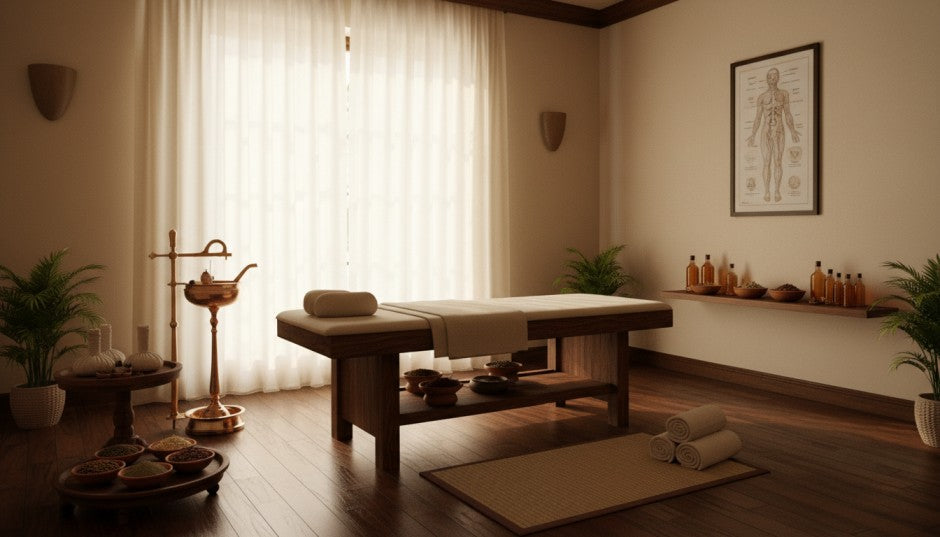
Ayurveda Treatment & Tourism massage all over in India
Ayurveda is one of India’s oldest, most structured holistic healing traditions. Whether you’re looking for preventative wellness, stress management, or targeted medical rehabilitation, understanding how Ayurvedic therapies work across India will help you make an informed choice.
1. Popular Ayurvedic Regions Across India
While Ayurvedic therapies are available across the country, different regions specialize in specific experiences:
India offers a spectrum of Ayurvedic care, ranging from authentic clinical detoxification (Panchakarma) to luxury wellness retreats.
1. Popular Ayurvedic Massages & Therapies
Traditional Ayurvedic bodywork uses specific herbalized oils, powders, and poultices tailored to your body constitution (Prakriti) and current state of health (Vikriti):
Abhyanga (Full Body Oil Therapy): A synchronized full-body massage using warm, herb-infused oils. It enhances lymphatic drainage, improves circulation, and relaxes deep muscle tissue.
Shirodhara (Mind & Nervous System Relief): Warm medicated oil, buttermilk, or herbal decoctions are poured in a continuous stream across the forehead. Highly effective for insomnia, anxiety, hypertension, and chronic migraines.
Elakizhi & Njavarakizhi (Poultice Massages): Heated cloth boluses packed with medicinal leaves (Elakizhi) or cooked medicinal rice with milk (Njavarakizhi) are rhythmically applied to relieve joint pain, arthritis, and muscle stiffness.
Pizhichil (Royal Oil Bath): A continuous stream of warm medicated oil is poured over the body while gentle massage is applied simultaneously—ideal for neurological conditions and deep tissue rejuvenation.
Udvarthanam (Herbal Powder Scrub): A dry massage using warm herbal powders applied in upward strokes against hair follicles, designed to stimulate fat metabolism and detoxify skin.
2. Types of Accommodation Options Across India
When staying for Ayurvedic care, facilities generally fall into three main categories depending on your health goals and budget:
Accommodation CategoryBest ForTypical FeaturesKey Locations in India
Luxury Wellness ResortsStress relief, light detox, vacation + wellnessPrivate villas, ocean/lake views, organic multi-cuisine dining, yoga pavilions, and spa-grade amenities.Kerala backwaters, Rishikesh, Goa, Coorg.
Traditional Ashrams & Heritage CentersSpiritual focus, lifestyle reset, affordable staysSimple AC/Non-AC rooms, communal sattvic vegetarian meals, mandatory daily routine (swadhyaya, yoga, silent hours).Haridwar, Coimbatore, Mysore, Palakkad.
Clinical Inpatient Hospitals (IPD)Chronic ailments, post-surgery recovery, intense PanchakarmaMedical-grade hospital rooms, 24/7 nursing care, doctor round-the-clock, lab diagnostic access, strict therapeutic diet.Kottakkal, Kochi, Bengaluru, Delhi-NCR, Bhopal.
3. Infrastructure & Facility Standards
Legitimate, high-quality Ayurvedic centers in India adhere to strict infrastructural guidelines set by the Ministry of AYUSH and NABH (National Accreditation Board for Hospitals & Healthcare Providers):
Therapy Suites & Droni Tables: Specialized treatment rooms fitted with traditional Droni tables carved out of single pieces of medicinal wood (like Neem or Teak). Rooms feature steam boxes (Svedana) and attached warm-water baths.
Medical Staffing: Resident BAMS (Bachelor of Ayurvedic Medicine & Surgery) or MD (Ayurveda) doctors conduct thorough initial pulse diagnoses (Nadi Pariksha) and supervise every session.
Medicated Diet Kitchens (Pathya Ahara): On-site kitchens prepare customized Sattvic meals tailored strictly to the doctor’s diet prescription for each patient’s specific Dosha.
Herbal Pharmacy: Centers maintain certified dispensaries stocked with authentic Kashayams (decoctions), Arishtams (fermented liquids), and oils sourced from verified manufacturing units.
Safety Check: Always verify if a hospital or retreat holds NABH accreditation or AYUSH approval. Accredited centers ensure qualified doctors, unadulterated herbal preparations, and hygienic treatment environments.
4. Frequently Asked Questions (FAQs)
Q1. How long should an Ayurvedic stay or treatment program last?
3 to 5 Days: Rejuvenation, body alignment, and stress relief.
7 to 14 Days: Standard Panchakarma detox, digestive reset, and skin health.
21 to 28 Days: Deep clinical recovery for chronic disorders (e.g., arthritis, slip disc, severe metabolic or neurological conditions).
Q2. Is a doctor’s consultation mandatory before massages?
Yes. In authentic Ayurveda, oil selection and massage pressure depend entirely on your body type (Vata, Pitta, Kapha) and existing ailments. Applying the wrong oil can aggravate symptoms or cause skin reactions.
Q3. What dietary rules are expected during treatment?
During active treatments, digestive fire (Agni) needs rest to allow internal cleansing. Meals are strictly light, warm, vegetarian, and tailored to your condition (often incorporating Kitchari, vegetable soups, and herbal infusions). Cold drinks, alcohol, tobacco, non-vegetarian foods, and heavy fried items are restricted.
Q4. What is the typical cost for Ayurvedic stays with accommodation?
Costs vary based on the level of accommodation and medical care:
Budget / Government Ashrams: ₹1,500 – ₹3,500 ($18 – $42 USD) per day including basic stay, food, and therapy.
Clinical Ayurveda Hospitals: ₹3,500 – ₹8,000 ($42 – $95 USD) per day including IPD room, doctor fees, medicines, and daily Panchakarma.
Luxury Ayurvedic Resorts: ₹12,000 – ₹35,000+ ($145 – $420+ USD) per day for premium private villas, custom dining, and personalized therapy packages.
Q5. Can health insurance cover Ayurvedic inpatient stays in India?
Yes. Many Indian health insurance policies and select international health plans cover Ayurvedic inpatient stays, provided the hospital is NABH-accredited and the treatment is medically necessary (not purely for relaxation) under doctor supervision.