
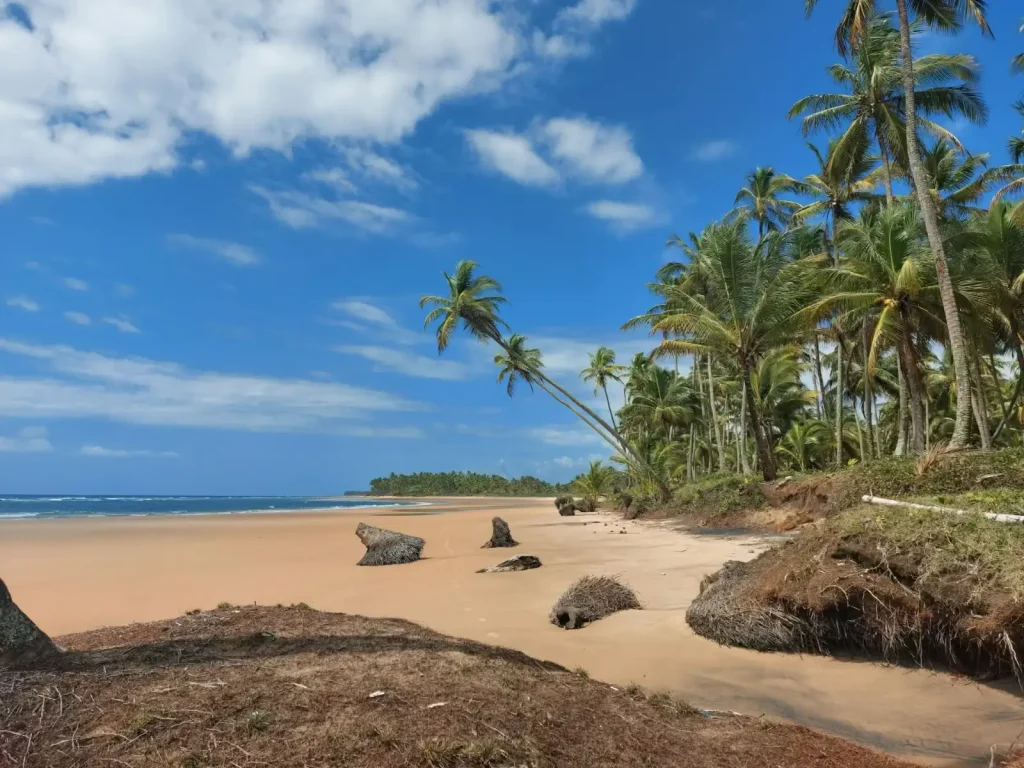
Dahanu and Bordi
Dahanu and Bordi are coastal twin towns in the Palghar district of Maharashtra. Unlike the bustling beaches closer to Mumbai, this region is a tranquil stretch defined by vast fruit orchards, deep tribal roots, and a unique Zoroastrian cultural imprint.
Historical Content
1. The Name “Dahanu”
The name Dahanu is historically derived from Dahi Nu or Dahanuka, meaning “River of Gift.” In ancient maritime trade maps, Dahanu functioned as a small, quiet port. The region was historically inhabited by indigenous tribal communities, predominantly the Warlis, famous for their distinct, geometric Warli painting style that depicts social life and nature.
2. The Parsi and Irani Settlement
The modern history of Dahanu and Bordi is fundamentally tied to the Parsi and Irani Zoroastrian communities. Following their migration to India, many Zoroastrian families settled along the coast of Gujarat and northern Maharashtra.
- In the late 19th and early 20th centuries, these families acquired lands in Dahanu and Bordi, converting the arid coastal soil into highly fertile agricultural estates.
- To this day, the region retains beautiful, century-old Parsi bungalows and sprawling estates, preserving a distinct architectural and cultural capsule.
3. The “Chikoo” Revolution
Dahanu is widely celebrated as the “Chikoo Bowl of India.” In 1901, an Irani settler named Ardeshir Irani brought saplings of the Sapota fruit (Chikoo) from Central America and planted them in Dahanu. The unique combination of the coastal climate and the calcium-rich soil caused the fruit to thrive exceptionally well. Dahanu’s Chikoos have since earned a protected Geographical Indication (GI) tag.