
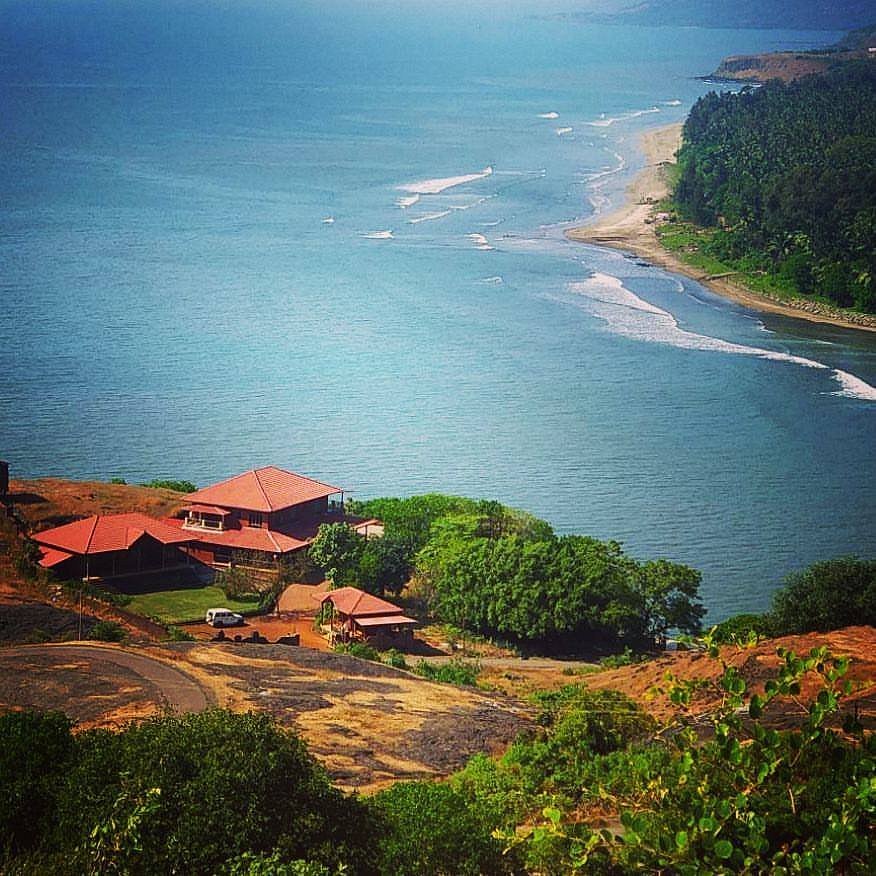
Dapoli
Dapoli, located in the northern part of the Ratnagiri district, Maharashtra, is a fascinating coastal town with a dual personality. Affectionately known as the “Mini Mahabaleshwar” of the Konkan due to its year-round cool, hilly climate, Dapoli’s history seamlessly transitions from ancient maritime fortifications to a bustling British military station and the homeland of India’s top social reformers.
Historical Background
1. The Stronghold of the Maratha Navy: Suvarnadurg Fort
The historical heartbeat of Dapoli lies along its coastline at Harnai port. Here sits Suvarnadurg Fort (“The Golden Fort”), an 8-acre sea citadel built originally by the Bijapur Sultanate but captured and heavily fortified by Chhatrapati Shivaji Maharaj in 1660.
Suvarnadurg was the base of operations for the legendary Maratha Naval Chief, Kanhoji Angre (often called the father of modern Indian coastal warfare). Angre used this fort to build shipbuilding yards and launch highly organized naval strikes against British, Portuguese, and Siddi ships, keeping the Konkan waters completely under Maratha dominance throughout the early 18th century.
2. The British Camp (Dapoli Camp)
Following the collapse of the Maratha Empire in 1818, the British East India Company took control of the region. They quickly realized that Dapoli sat at a higher altitude than the surrounding coastal towns, giving it a cool, pleasant, malaria-free climate.
The British transformed Dapoli into a major Military Cantonment (Camp). They stationed the 26th Native Infantry Regiment here, built European-style bungalows, administrative barracks, and a historic church. Even today, the main town area is locally referred to as “Dapoli Camp.”
3. Cradle of Bharat Ratnas
Dapoli and its surrounding villages hold a massive point of pride in modern Indian history. This small region is the ancestral home of three of India’s highest civilian award (Bharat Ratna) winners, who heavily shaped social and political reform in India:
- Dr. B.R. Ambedkar: The chief architect of the Indian Constitution. His ancestral village, Ambadawe, is located right here in the Dapoli taluka.
- Maharshi Dhondo Keshav Karve: A pioneering social reformer who championed women’s education and widow remarriage. He hailed from Murud near Dapoli.
- Mahamahopadhyaya Pandurang Vaman Kane: A renowned Indologist and Sanskrit scholar.