
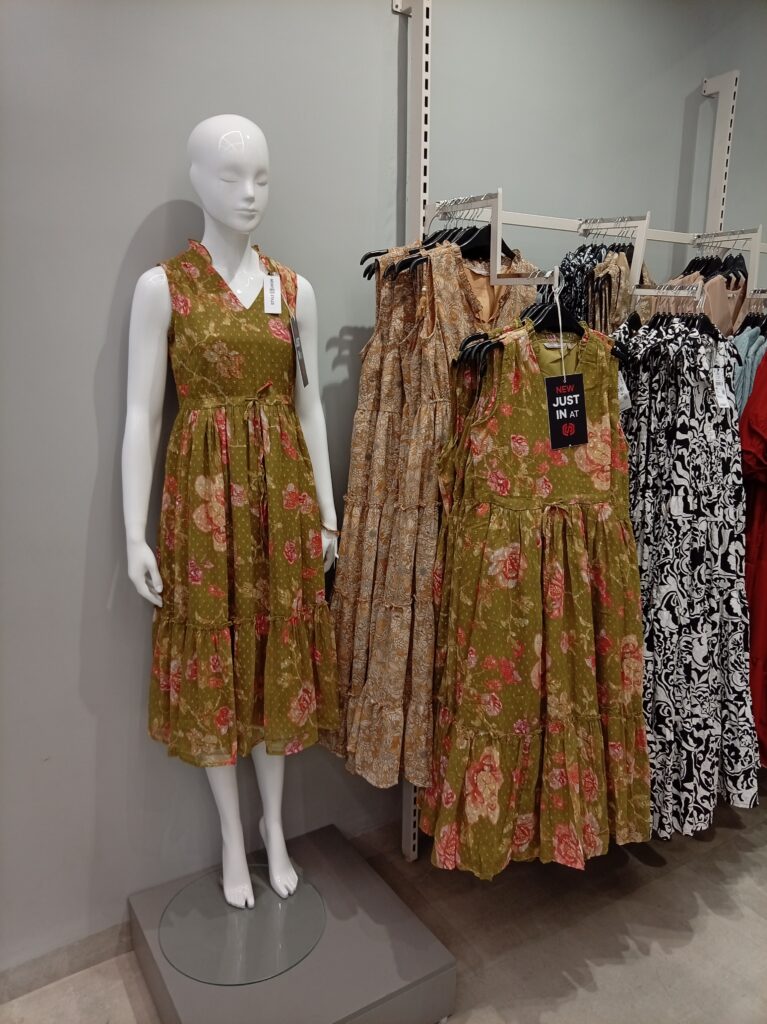
Ethnic wear wholesale and Retailers
Infrastructure & Operational Facilities for Ethnic Wear
The ethnic wear market (comprising sarees, lehengas, sherwanis, Anarkalis, and Indo-western fusion wear) requires specific operational handling due to delicate fabrics (silk, organza, velvet), intricate embellishments (zari, sequin, mirror work), and custom fitting needs.
ETHNIC WEAR ENTERPRISE │
│ SUPPLY & RETAIL HUB │
└────────────────────┬─────────────────────┘
│
┌───────────────────────┴───────────────────────┐
▼ ▼
┌──────────────────────────────┐ ┌──────────────────────────────┐
│ WHOLESALE INFRASTRUCTURE │ │ RETAIL INFRASTRUCTURE │
├──────────────────────────────┤ ├──────────────────────────────┤
│ • Dust-Free Fabric Storage │ │ • Full-Length Draping Area │
│ • Specialized QC & Mending │ │ • Specialized Lighting & Mirrors│
│ • Heavy-Duty GOH Racks │ │ • In-House Alteration Studio │
│ • Catalogs & Digital B2B │ │ • Bridal Lounge & Trial Rooms│
└──────────────────────────────┘
1. Wholesale Infrastructure Facilities
Ethnic wear wholesalers focus on high-volume catalog storage, fabric preservation, bulk packaging, and fast B2B dispatch.
Climate & Dust-Controlled Warehousing: Moisture-controlled storage areas equipped with dehumidifiers and pest prevention systems to protect silk, handlooms, and metallic threadwork (zari) from humidity and tarnish.
Garment-on-Hanger (GOH) & Roll Racking: Vertical high-bay racks designed for unstitched dress materials, saree rolls, and heavy bridal lehengas to prevent creasing or damage to hand embroidery.
Specialized Quality Check (QC) & Mending Stations:
Large light-tables for inspecting fabric weave, thread counts, and embroidery defects.
In-house mending tools for loose sequin/bead re-fixing before master-carton packing.
Bulk Packaging & Folding Zones: Automated poly-bagging machines, heavy-duty carton sealers, and vacuum-compression packing facilities for heavy bridal sets to optimize shipping volume.
B2B Digital Studio & Catalog Infrastructure: High-resolution photography setups (lightboxes, 360-degree spinners) and ERP/WMS integration for catalog updating, stock forecasting, and bulk ordering.
2. Retail Infrastructure Facilities
Retail ethnic wear facilities focus heavily on visual storytelling, high-touch customer service, and custom adjustments.
Experiential Sales Floor & Visual Displays:
Draping & Demonstration Counters: Large, smooth-topped wooden/padded tables designed specifically for unrolling sarees and dupattas without snagging delicate weaves.
High-Load Mannequin Clusters & Pedestals: Reinforced display stands that support heavy bridal wear (often 5–15 kg per outfit).
True-Tone Lighting & Bridal Trial Lounges: Warm-toned LED spotlights (high CRI rating) that accurately showcase gold/silver embroidery, rich dye shades, and fabric textures, coupled with spacious fitting rooms featuring multi-angle, full-length mirrors.
In-House Alteration & Tailoring Studio: Embedded workshop outfitted with industrial sewing machines, interlock/overlock equipment, and steamer irons for custom fitting, fall-and-picot finishing, and padding additions.
Back-of-House (Store Stockroom): Specialized vertical hanging racks with breathable cotton garment bags, industrial heavy-duty steamers, and tagged inventory bins sorted by size, color, and price point.
Omnichannel POS & Fitting Station: Integrated POS systems connected to e-commerce, RFID tag readers for inventory tracking, and dedicated pickup counters for online/custom-fitted orders.
Comparison: Wholesale vs. Retail Ethnic Wear Infrastructure
Feature / FacilityWholesale InfrastructureRetail Infrastructure
Primary FocusVolume storage, fabric care, bulk order fulfillmentCustomer experience, draping presentation, custom alterations
Storage StyleHigh-bay pallet racks, saree rolls, master cartonsPadded hangers, breathable dress covers, display shelves
Key EquipmentFabric inspection tables, vacuum packagers, forklift/trolleysCommercial steamers, tailoring sewing machines, full-length mirrors
Key Staff AreasDispatch docks, QC & mending desks, B2B order desksBridal trial lounges, alteration desk, saree/dupatta draping tables
Tech RequirementsWMS, B2B e-commerce portals, bulk inventory APIOmnichannel POS, clienteling CRM, online appointment booking
Frequently Asked Questions (FAQs)
Wholesale & Sourcing FAQs
Q1: What are the standard Minimum Order Quantities (MOQs) for wholesale ethnic wear?
A: Wholesale catalog sets (e.g., 4 to 8 colorways of a kurti or saree design) are usually sold as full sets with MOQs starting around 10 to 30 sets. Custom manufacturing for private-label bridal or festival collections generally ranges from 100 to 500 pieces per design.
Q2: How do wholesalers ensure fabric quality and embroidery consistency across bulk orders?
A: Wholesalers implement a multi-stage inspection process: raw fabric batch testing (GSM and dye-fastness check), pre-embroidery pattern checks, and 100% final garment inspection on illuminated QC tables to fix loose threads or displaced beads.
Q3: What are typical production and delivery lead times for wholesale ethnic wear?
A: Ready-stock catalogs dispatch within 24–48 hours. Semi-stitched or custom-produced bulk orders typically require 3 to 6 weeks, depending on the intensity of handwork (zardozi, chikankari, or mirror work).
Retail & Operational FAQs
Q1: Why is an in-house alteration studio critical for an ethnic wear store?
A: Most ethnic garments (lehengas, blouses, Anarkalis) require custom fitting. Offering immediate on-site alterations (blouse stitching, hem adjustments, fall-and-picot work) significantly increases sales conversion rates and customer satisfaction.
Q2: How do retail stores handle seasonal inventory turnover for festive and wedding seasons?
A: Retailers plan inventory around major cultural and festive cycles. Heavy festive/wedding inventory is stocked 2–3 months in advance. Unsold stock is cleared through end-of-season promotional sales, bundled offers, or returned via vendor buy-back/exchange agreements where applicable.
Q3: What special care facilities are required to prevent damage to displayed garments?
A: Display garments should be rotated frequently to prevent hanger marks on heavy fabrics. Stores use breathable cotton garment covers, commercial steam irons (avoiding direct hot dry ironing on metallic threads), and UV-filtered ambient lighting to prevent color fading on delicate silks.