
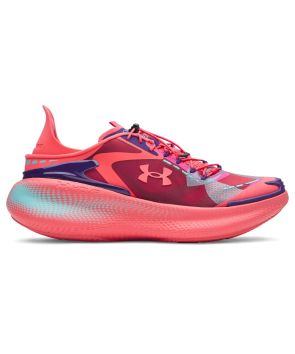
Footwear Manufacturers across in India – (Shoes – leather, synthetic/non-leather, rubber, EVA)
The global and domestic footwear industry operates across an interconnected network of manufacturers, B2B wholesale channels, retail networks, and specialized industrial infrastructure.
1. Footwear Manufacturers
Footwear production is categorized by material (leather, synthetic/non-leather, rubber, EVA) and function (athletics, formal, casual, safety).
Top Manufacturers & Industry Leaders
Major Global Brands: Nike, Adidas, Puma, Skechers, Asics, Crocs.
Leading Indian Manufacturers:
Relaxo Footwears: Major domestic manufacturer operating brands like Bahamas, Sparx, and Flite.
Bata India: High-volume formal, casual, and school footwear production.
Paragon Footwear: Major producer of EVA, PVC, and PU footwear based in South India.
Campus Activewear & Lehar Footwear: Specialized in athleisure and sport-casual footwear.
Walkaroo International: Large-scale domestic PU and non-leather footwear manufacturer.
2. Wholesale & Retail Channels
Channel TypePrimary FunctionsKey Markets / Platforms
Wholesale MarketsBulk sourcing for offline retailers, distributors, and institutional buyers.• Delhi NCR: Sadar Bazaar, Chandni Chowk, Lajpat Nagar
• Agra: Sadar Bazaar / Hing Ki Mandi (Largest leather wholesale market in Asia)
• Mumbai: Heera Panna Market, Crawford Market
B2B E-CommerceDigital procurement connecting MSME manufacturers to small store owners.IndiaMART, TradeIndia, Udaan, Fashionza.
Organized RetailDirect-to-consumer (D2C) retail through exclusive brand outlets (EBOs) and multi-brand outlets (MBOs).Metro Brands, Reliance Retail (Trends Footwear), V-Mart, Woodland, Liberty, Skechers.
Online MarketplacesBroad reach through e-commerce and social commerce platforms.Amazon, Flipkart, Myntra, Ajio, Meesho.
3. Infrastructure Facilities & Industrial Clusters
Footwear manufacturing relies heavily on specialized industrial clusters, supply chain hubs, and government testing infrastructure.
Major Manufacturing Hubs & Clusters
Agra & Kanpur (Uttar Pradesh): The primary hubs for leather tanning, upper production, and formal shoes. Agra alone contributes a major portion of domestic production and exports.
Chennai, Ambur, & Ranipet (Tamil Nadu): Specialized in export-quality leather footwear, premium finished leather, and modern athletic shoe contract plants.
Kerala & Karnataka (South India): Key centers for non-leather, rubber, and PU footwear manufacturing (e.g., Kozhikode cluster).
Technical & Testing Infrastructure
FDDI (Footwear Design & Development Institute): Premier institution for R&D, design, quality testing, and skill development under the Ministry of Commerce.
CLRI (Central Leather Research Institute): Focuses on leather processing technology, eco-friendly tanneries, and material testing.
CFTI (Central Footwear Training Institute): Provides technical training and workforce skill development.
SEZs & Industrial Parks: Mega footwear parks in Tamil Nadu and Andhra Pradesh equipped with centralized effluent treatment plants (CETP) and component manufacturing parks.
4. Frequently Asked Questions (FAQs)
FAQ 1: What is the Minimum Order Quantity (MOQ) when buying directly from footwear manufacturers?
Answer: Factory-direct manufacturers generally require MOQs ranging from 500 to 2,000 pairs per style/colorway to optimize tooling and raw material cutting. For smaller quantities (50–200 pairs), sourcing through specialized B2B wholesalers or private-label aggregators is recommended.
FAQ 2: What is the difference between non-leather (synthetic/PU/EVA) and leather footwear manufacturing?
Answer:
Leather Footwear: Involves tanning, pattern cutting, lasting, and stitching. It is labor-intensive and commonly sourced from clusters like Agra, Kanpur, and Chennai.
Non-Leather (PU/EVA/Canvas): Relies heavily on automated injection molding, compression molding, and synthetic fabric uppers. It allows for high volume, faster turnarounds, and lower unit costs.
FAQ 3: How do new brands source footwear via OEM vs. ODM manufacturing?
Answer:
OEM (Original Equipment Manufacturer): You provide the complete design, tech packs, and material specifications; the manufacturer builds the shoe strictly to your blueprints.
ODM (Original Design Manufacturer): The factory provides pre-existing shoe designs/outsoles, and you customize branding, colorways, and insoles, significantly reducing mold development costs.
FAQ 4: What quality certifications should I look for in a footwear manufacturer?
Answer: Look for ISO 9001 (Quality Management), SATRA certification (footwear technical testing standards), LWG (Leather Working Group certification for environmental compliance), and SA8000 or BSCI for social audit standards.