
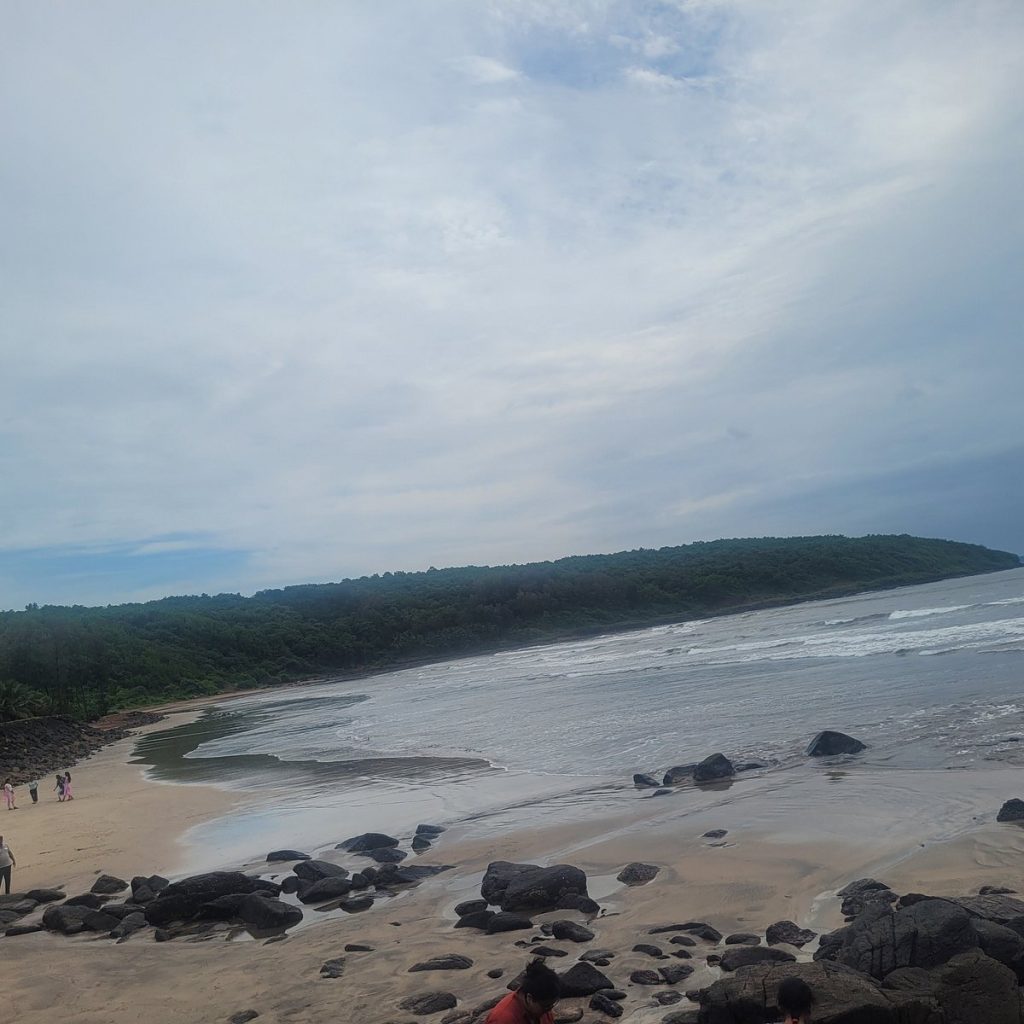
Hedvi

Hedvi

Hedvi, situated just a short drive south of Guhagar in the Ratnagiri district of Maharashtra, is a historic coastal hamlet tucked away from mainstream commercialization. The town’s history is intimately bound to Peshwa-era religious architecture, unique iconography, and a violent, dramatic geological marvel that has attracted spiritual seekers and travelers for centuries.

Historical Background

​Hedvi’s past is shaped by royal Maratha support, traditional Konkani migration, and its status as a sacred pilgrimage stop.

​1. The Era of the Peshwas & The Dashabhuja Ganesh

​The absolute historical core of Hedvi is the Shri Dashabhuja Ganesh Temple.

  • The Origin (1785): The temple was constructed in 1785 during the golden age of the Peshwas, who served as the Prime Ministers of the Maratha Empire. The Peshwas were deeply devoted to Lord Ganesha and funded several iconic Ganpati shrines across Maharashtra.
  • The White Marble Influx: The temple was established by a prominent local historic figure, Kelkar Swami. The exquisite, single-block white marble used to carve the deity was specially sourced and transported all the way from the quarries of Rajasthan to this remote coastal pocket—a monumental logistics feat in the late 18th century.

2. The Bahmani & Maratha Coastline Guard

​Geographically, Hedvi sits right between the historic ports of Guhagar and Jaigad. During the medieval centuries, its coastal hills served as localized lookout points for regional rulers monitoring the Vashishti and Shastri river creeks. While nearby ports handled shipping, Hedvi developed strictly as an inner sanctum of Vedic scholarship and traditional orchard farming (Wadis).

FAQs

What makes the Dashabhuja Ganesh idol in Hedvi historically unique?
Unlike typical Ganesha idols that feature two or four arms, this rare, historic idol possesses ten arms (Dasha-Bhuja), each holding distinct symbolic weapons or items from ancient scriptures. The idol stands nearly 3 feet tall and features a unique positioning of the trunk turning toward the left. It also features a rare representation of a massive stone serpent wrapping around the deity's belly.
What is the Uma Maheshwar Temple in Hedvi?
Located close to the coastline, this traditional temple is dedicated to Lord Shiva and Goddess Parvati (Uma). It serves as another core pillar of Hedvi's religious geography, showcasing classic local stone masonry designed to protect the shrines from harsh coastal winds.
What is the "Bamangal" and why is it famous?
The Bamangal is a rare, spectacular geological phenomenon located right on Hedvi’s rocky black coastline. It is a natural gorge or column cut deep into the hard laterite rock bed. During high tide, ocean water rushes with immense pressure into this narrow fissure, creating a massive natural water geyser or blowhole that shoots sea water up to 30 feet into the air with a roaring sound.
Can you go swimming at Hedvi Beach?
Hedvi Beach is beautiful but features a highly rocky and rugged black-sand shoreline. Because of the sharp underwater volcanic rocks, changing tides, and the powerful forces that feed the Bamangal geyser, swimming is strongly discouraged here. It is ideal for photography, peaceful walks, and watching sunsets.
When is the best time to visit Hedvi?
The best months to visit are from October to March for comfortable weather. However, if your primary goal is to witness the spectacular, high-shooting water geyser at the Bamangal, visiting during the late monsoon or early autumn (August to October) during peak high-tide timings provides the most dramatic displays.

Price From : ₹4500/-

Address

Near Avaloormadam temple, thathampally po, pin code 688013, Alleppey, Kerala, India