
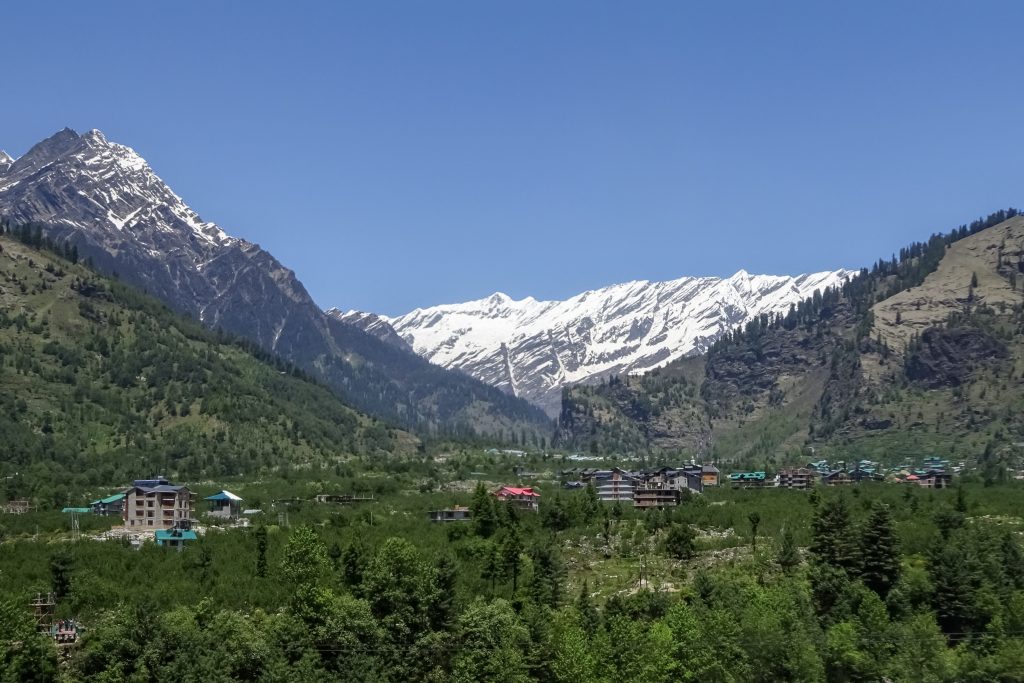
Himachal Pradesh
Himachal Pradesh, beautifully known as Dev Bhoomi (the Land of Gods), possesses a deeply rich history that scales from ancient Vedic republics to a strategic colonial summer retreat, and finally to its evolution as a full-fledged Indian state.
Himachal Pradesh—traditionally called the Dev Bhumi or “Land of the Gods”—boasts a rich historical narrative that scales back to pre-historic times, deeply intertwined with epic Indian mythology, fierce independent hill chiefdoms, and structural colonial shifts.
Here is a curated overview of the historical milestones of Himachal Pradesh, followed by highly relevant FAQs optimized for clarity and competitive knowledge.
🏛️ Chronological History of Himachal Pradesh
1. Ancient Roots & Janapadas (Pre-History to 7th Century CE)
- Early Tribes: The earliest inhabitants of the region were the Kols, Kiratas, Dasas, and Khasas.
- **The Vedic Republics (Janapadas): According to ancient texts like the Mahabharata, the region was divided into multiple small, independent tribal republics. Prominent among them were:
-
- Trigarta: Located in the foothills drained by three rivers (Ravi, Beas, and Satluj), primarily centered around modern-day Kangra.
- Kuluta: Situated in the upper Beas valley (the modern-day Kullu Valley).
- Audumbras & Kulindas: Powerful clans ruling areas near Pathankot and the Shimla/Sirmaur hills respectively.
- Imperial Overlords: Empires like the Mauryas and Guptas held loose suzerainty over these hills. Emperor Ashoka introduced Buddhism to the region, constructing several stupas, including one in the Kullu Valley.
2. Medieval Hill Kingdoms & Foreign Invasions (8th – 18th Century CE)
- Rise of Princely States: After the decline of central empires, the region fractured into various independent princely states ruled by Rajput chieftains, such as Chamba (founded by Maru Varman/Sahil Varman), Kangra (Katoch Dynasty), Mandi, and Sirmaur.
- Plunder and Fortresses: The region’s staggering wealth drew invaders. In 1009 CE, Mahmud of Ghazni launched a massive invasion, plundering the legendary Kangra Fort. Later, rulers of the Delhi Sultanate (like Muhammad bin Tughlaq) and the Mughals exercised varying degrees of control, though local kings retained a fair amount of domestic autonomy.
- The Kangra Golden Age: Under Maharaja Sansar Chand (1775–1823), the Katoch dynasty restored great power to Kangra, turning it into a brilliant center for the famous Kangra miniature painting style.
3. The Tug of War: Gorkhas, Sikhs, and the British (19th Century)
- The Gorkha Invasion: In the early 1800s, the Gorkhas of Nepal expanded westward, conquering Shimla and Sirmaur, and laying a fierce siege to Kangra Fort.
- Sikh Alliance: Maharaja Sansar Chand allied with Maharaja Ranjit Singh of the Sikh Empire to successfully push the Gorkhas out in 1809.
- British Paramountcy: The British East India Company eventually clashed with the Gorkhas in the Anglo-Gorkha War (1814–1816). Following the Treaty of Sugauli (1816), the British expelled the Gorkhas and established dominant control over the Shimla Hill States.
- The Imperial Summer Capital: Attracted by the cool mountain air, Shimla was officially declared the Summer Capital of British India in 1864 by Viceroy Lord John Lawrence. Significant infrastructure followed, including the historic Kalka-Shimla Railway completed in 1903.
4. Road to Modern Statehood (Post-1947)
Chief Commissioner’s Province
April 15, 1948
Himachal Pradesh is formally created by integrating 30 petty princely states of the western Himalayas.
Part ‘C’ State
January 26, 1950
With the implementation of the Indian Constitution, Himachal becomes a Part ‘C’ state, leading to its first general elections in 1952.
Merger of Bilaspur
July 1, 1954
The neighboring princely state of Bilaspur is dissolved and officially merged into Himachal Pradesh as a new district.
Union Territory Status
November 1, 1956
Under the States Reorganization Act, Himachal Pradesh transitions into a Union Territory under central governance.
The Punjab Reorganization
November 1, 1966
The hilly regions of Punjab—including Kangra, Kullu, Shimla, Lahaul-Spiti, and Nalagarh—are officially merged into Himachal Pradesh, vastly expanding its territory.
Full Statehood
January 25, 1971
The State of Himachal Pradesh Act is enacted. Himachal emerges as the 18th State of the Indian Union, with Dr. Yashwant Singh Parmar serving as its first Chief Minister.