
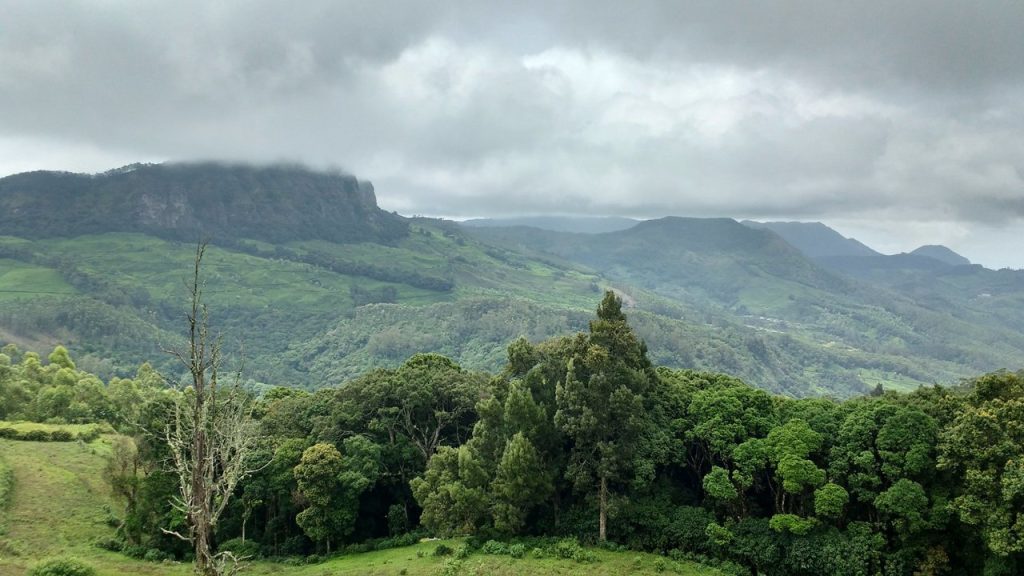
Kanthalloor
Historical Context of Kanthalloor
Nestled high in the Western Ghats at an altitude of approximately 5,000 feet, Kanthalloor is a region rich in prehistoric, tribal, and medieval history.
1. Prehistoric Beginnings: The Megalithic Era
Kanthalloor’s history dates back thousands of years to the Megalithic and Iron Age periods (circa 1500 BCE to 500 BCE). The most striking evidence of this era is the presence of Muniyaras (dolmens)—ancient burial chambers made of massive granite slabs topped with a capstone. Archaeological findings like pottery and iron tools around these sites indicate that Kanthalloor hosted a settled, organized prehistoric society. Local tribal folklore often reveres these structures as the ancient dwellings of mystics and sages.
2. The Legacy of “Anju Nadu” (The Five Lands)
Historically, Kanthalloor is part of a culturally distinct cluster of five villages known as Anju Nadu (comprising Kanthalloor, Keezhanthoor, Perumalai, Puthoor, and Guganathapuram).
- The Tribal Migration: Centuries ago, during conflicts between the Chera, Chola, and Pandya dynasties, communities like the Muthuvan and Mannan tribes migrated to these high ranges from the Madurai region.
- Cultural Fusion: Because of this unique historical migration and its geographic proximity to the border, Kanthalloor evolved a beautiful socio-cultural blend, where Tamil and Malayalam traditions, dialects, and lifestyles seamlessly merge.
3. Ancient Trade and Agriculture
Positioned close to the ancient trade routes cutting through the Western Ghats, Kanthalloor facilitated the exchange of forest wealth—such as wild honey, sandalwood, and spices—between the coastal regions of Kerala and the eastern plains of Tamilakam. The traditional barter system was so deeply woven into the local economy that elements of it survived in community exchange practices well into the 20th century.