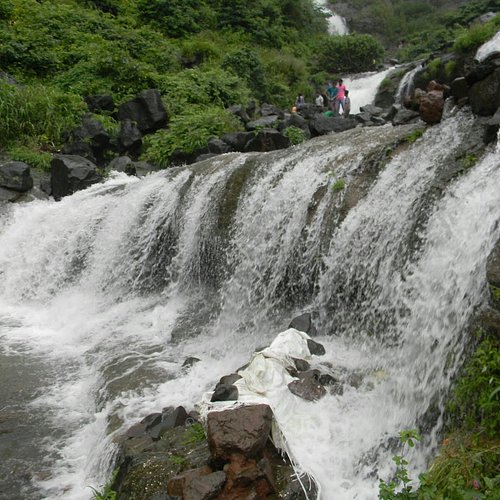
Where is Karjat located and how do I reach it?
Karjat is a city in the Raigad district of Maharashtra, part of the Mumbai Metropolitan Region (MMR). It is located roughly 100 km from Mumbai and 100 km from Pune. It is incredibly easy to reach as it is the final major junction on the Central Line of the Mumbai suburban local train network.
When is the best time to visit Karjat?
Monsoon (June to September): This is the peak tourist season. The entire landscape turns into a vibrant green paradise filled with active seasonal waterfalls like Bhivpuri and Bekare.
Winter (October to February): The weather drops to pleasant, cooler temperatures, making it the prime time for overnight camping and intense trekking.
What are the top trekking spots around Karjat?
Karjat is highly favored by hikers for its diverse trails:
Kothaligad (Peth Fort): A moderate trek rewarding climbers with a distinct rock-cut staircase inside the pinnacle.
Sondai Fort: An easy, beginner-friendly 1.5-hour trek offering panoramic views of the Morbe Dam backwaters.
Peb Fort (Vikramgad): A scenic trail that links up close to the Matheran toy train tracks.
Can you visit the Kondana Caves year-round?
Yes, but trekking to them during the monsoon is an unforgettable experience because a gushing waterfall cascades directly over the mouth of the caves. Note: For safety, wear good anti-slip shoes as the rock paths get slippery.
What is the significance of the Kondeshwar Temple in Karjat?
Tucked into a rocky forest clearing, the ancient Kondeshwar Temple is dedicated to Lord Shiva. Built using traditional black stone architecture, it sits right next to a rocky river bed and a waterfall, offering a highly tranquil and spiritual atmosphere.
Is Karjat known for luxury stays?
Yes. Unlike Kamshet or Kolad which incline toward rustic camping, Karjat boasts one of the largest concentrations of private pool villas and luxury farmhouses in India. It is highly popular for upscale family staycations, corporate retreats, and wellness health resorts.
Can tourists visit ND Studios?
Yes, portions of ND’s Film World are open to tourists as a theme park attraction. Visitors can tour massive, preserved historical sets, walk through replica Bombay town squares, and look at the grandeur of old kingdom courtyards used in mainstream films.
Compare Karjat and Lonavala side-by-side in a table across accessibility, type of stays, crowds, and major attractions?
A side-by-side comparison highlights the key differences between Karjat and Lonavala across their core travel dynamics:
FeatureKarjatLonavala
Accessibility & Commute• Highly Accessible via Train: Directly connected to the Mumbai Suburban Local Network (Central Line).
• ~100 km from Mumbai and ~100 km from Pune via state highways.•
• Superior Road Connectivity: Located directly on the Mumbai-Pune Expressway, making it a straightforward drive.
• ~85 km from Mumbai and ~65 km from Pune. Has a mainline railway station.
Type of StaysFarmhouses & Private Villas: Known for sprawling luxury pool villas, boutique eco-resorts, and expansive farmstays. Ideal for private group bookings and peaceful retreats.Hotels & Commercial Resorts: Dominated by large star-category luxury hotels, family resorts, and budget lodges. Highly commercialized hotel infrastructure.
Crowds & VibeSerene & Offbeat: Significantly less crowded. The vibe is laid-back, close to nature, and unhurried—acting as a quiet escape into rural foothills.Bustling & High-Energy: Exceptionally crowded, especially on monsoon and winter weekends. It has a vibrant, classic hill-station atmosphere with busy markets and street stalls.
Major Attractions• Kondana Caves (Ancient Buddhist site)
• Kondana Caves (Ancient Buddhist site)
• Kothaligad Fort (Strategic watchtower trek)
• Nitin Desai Studio (ND Studios)
• Ulhas Valley and Bhivpuri Waterfalls• Bhushi Dam & Tiger Point
• Karla Caves & Bhaja Caves
• Bhushi Dam & Tiger Point
• Karla Caves & Bhaja Caves
• Lonavala Wax Museum & Chikki Markets
• Della Adventure Park
Key Summary
Choose Karjat if you are looking to escape the weekend rush, prefer staying in a spacious private villa or an eco-farm, and want a quiet base for trekking or exploring offbeat nature trails.
Choose Lonavala if you prefer a classic hill-station setup with full-fledged resort amenities, buzzing tourist markets, family-oriented amusement parks, and easy expressway driving.
Create a comprehensive 1-day trekking guide for Kothaligad Fort from Karjat, detailing base villages, difficulty, and packing tips?
A 1-day monsoon or winter trek to Kothaligad (famously known as the Fort of Peth due to its proximity to Peth village) offers a rewarding experience in the Sahyadris. Its unique structure—featuring a hollow, funnel-like internal stone staircase leading to the summit—makes it one of the most architecturally distinct watchtowers in Maharashtra.
Trek Profile Overview
Altitude: ~3,100 feet (945 meters) above sea level.
Trek Duration: 3.5 to 4.5 hours (up and down).
Difficulty Level: Easy to Moderate. The initial walk to the plateau is an easy incline, while the final climb up the rock-cut stairs requires careful footing, especially during the monsoons.
Best Time to Visit:
Monsoons (June to September): For misty trails, rushing waterfalls, and lush green valleys.
Winters (October to February): For cool, pleasant weather and clear panoramic views from the peak.
The Base Villages & Reaching There
The trek utilizes two distinct base points depending on how you choose to approach it:
Ambivali Village (The Actual Base): This is where your trek physically begins if you travel by vehicle or public transit from Karjat.
How to reach: From Karjat Railway Station, regular state transport (ST) buses and shared six-seater auto-rickshaws run toward Kashele, and from there, you can take a connecting shared vehicle to Ambivali.
Peth Village (The Plateau Base): Located about halfway up the mountain on a sprawling plateau. It takes about 1.5 hours of trekking along a wide, muddy mud road to reach Peth from Ambivali. Peth village is the perfect spot to rest, hydrate, and order a traditional local lunch before tackling the final pinnacle.
Step-by-Step 1-Day Itinerary
06:30 AM – 08:00 AM: Reach the Base
Arrive at Ambivali village. Parking facilities are available if you are driving. Fuel up with a rustic breakfast of Misal Pav or Poha paired with hot tea at one of the local village stalls.
08:15 AM – 09:45 AM: Ambivali to Peth Village (The Warm-up)
Begin the hike. This section follows a wide, winding mud road. During the monsoons, this path is crossed by small streams and flanked by cascading seasonal waterfalls. It is a gradual, easy-to-navigate climb that brings you to the flat plateau of Peth village.
09:45 AM – 10:15 AM: Brief Rest at Peth
Take a short break at Peth village. Inform one of the local households if you'd like them to prepare a traditional Maharashtrian lunch (Pithla Bhakri or chicken curry) for when you descend.
10:15 AM – 11:30 AM: Peth Village to the Summit (The Thrill)
The trail steepens significantly from here as you head toward the base of the pinnacle. You will first pass a small cave dedicated to Goddess Bhairavi and a water cistern.
The Funnel Climb: The highlight of the trek is entering the hollow core of the pinnacle. You will climb a vertical, spiral stone staircase carved entirely inside the rock. It protects you from valley winds but can get slippery when wet.
11:30 AM – 12:30 PM: Enjoying the Summit
Explore the top, which houses small water tanks and an open area. On a clear day, you can see a panoramic view of the surrounding forts like Siddhagad, Padargad, Bhimashankar, and the glittering waters of the nearby dams.
12:30 PM – 02:00 PM: Descent to Peth Village
Carefully trace your steps down the stone internal stairs. Take your time, as the high foot traffic and wet moss can make the steps slick. Arrive back at Peth village for your freshly cooked lunch.
03:00 PM – 04:30 PM: Final Descent to Ambivali
Walk back down the gradual mud road to Ambivali village, pick up your transport, and start your journey back to Karjat station or drive home.
Essential Packing & Safety Tips
🎒 Gear & Wear
Footwear: Sturdy trekking shoes or sports shoes with deep rubber grooves are non-negotiable. Avoid flat-soled sneakers, sandals, or flip-flops.
Clothing: Wear breathable, quick-drying sports clothing. Pack a light windcheater/raincoat during the monsoons and a light jacket for early winter mornings. Always carry a complete set of dry clothes wrapped in a plastic bag to change into post-trek.
Backpack: Keep a waterproof cover on your backpack to safeguard your electronics.
💧 Hydration & Nutrition
Water: Carry at least 2 to 3 liters of water per person. While water is available at Peth village, there are no clean drinking sources along the final pinnacle trail.
Snacks: Pack high-energy foods such as energy bars, electoral powder/ORS packets, bananas, and glucose biscuits.
⚠️ Safety Caution
The internal rock stairs do not have railings along the entire length. Avoid rushing, running, or taking selfies while ascending or descending the funnel steps. If trekking with children, ensure they are closely supervised through this section.