
Kerala Maritime Board (KMB)
The Kerala Maritime Board (KMB) is the statutory authority formed by merging the former Directorate of Ports, Kerala Maritime Development Corporation, and the Kerala Maritime Society. It governs, manages, and develops maritime assets, non-major ports, coastal shipping, and inland water transport across Kerala’s 590 km coastline.
1. Kerala Maritime Board Infrastructure Facilities
KMB oversees 17 non-major (minor and intermediate) ports categorized into regional clusters, alongside dedicated training, registration, and coastal transit facilities:
A. Non-Major Ports & Cargo Infrastructure
Intermediate / Cargo Ports: Key ports like Beypore (Kozhikode), Kollam, Vizhinjam (Minor Port/Wharf), Azheekal (Kannur), and Needakara are equipped with cargo wharves, storage godowns, and container hand-over yards.
Coastal Shipping Corridors: Wharves tailored for short-sea shipping and barges transporting cargo between Cochin Port and regional minor ports to reduce highway road congestion.
Capital & Maintenance Dredging: Ongoing dredging works at critical river mouths and port basins (e.g., Beypore and Azheekal) to maintain navigable drafts (3–6 meters) for coastal vessels.
B. Vessel Registration & Survey Stations
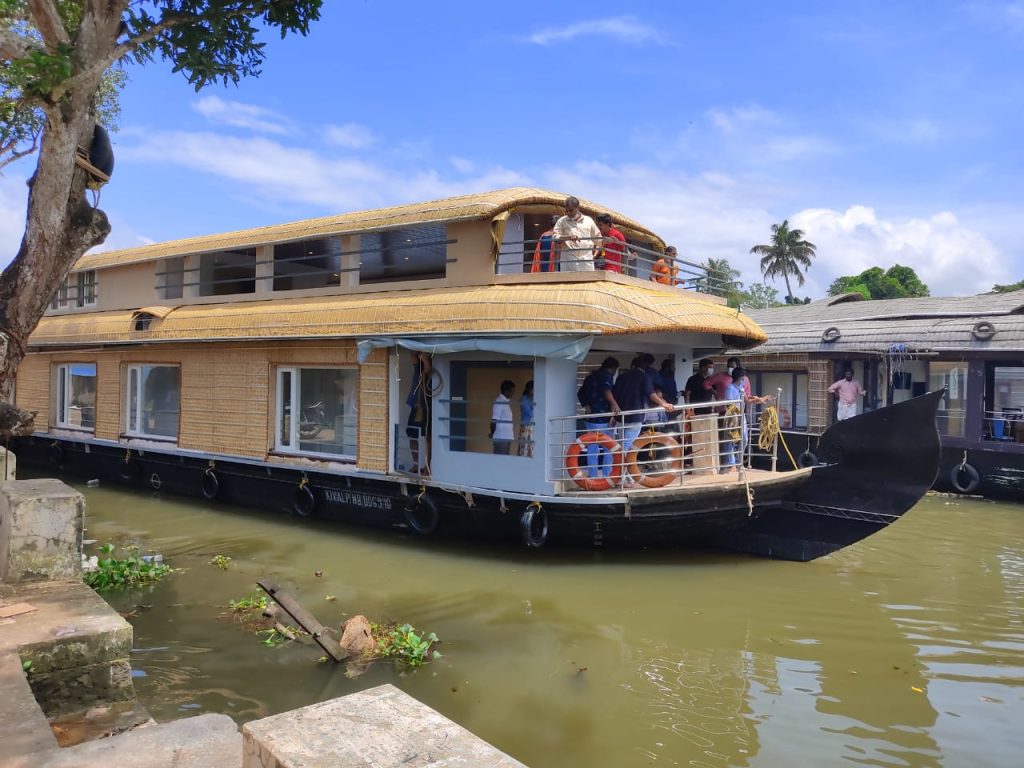
Jalyaan / NAVIC Portals & Registration Counters: Digital and physical infrastructure across district port offices for survey, registration, and renewal of inland vessels (including tourist houseboats, motorboats, and speedboats) under the Inland Vessels Act, 2021.
Immigration Check Points (ICP): Specialized infrastructure deployed at ports like Kollam and Beypore to facilitate crew exchanges, international yachts, and coastal passenger movements under Customs and Central Immigration oversight.
C. Repair, Dry Docks & Shipbuilding Yards
Slipways & Repair Facilities: Floating dry-dock sites, maintenance slipways, and boat-building yards under Public-Private Partnership (PPP) models (e.g., at Ponnani, Needakara, and Beypore) for repairing wooden, FRP, and steel vessels.
Waste & Pumping Out Reception: Sewage suction systems, oil-water separation sumps, and solid waste reception points installed near passenger and houseboat hubs (such as Alleppey, Kumarakom, and Kollam).
D. Maritime Education & Training (KMA / KMDI)
Kerala Maritime Academy (KMA, Kodungallur): Provides skill-based vocational training, deckhand courses, and safety training mandated for inland vessel crews.
Maritime Institute at Needakara: Developed to offer advanced skill development, marine engine driver certifications, and specialized courses for local seafarers and youth.
2. Infrastructure Summary Across Key KMB Ports
Port / LocationPrimary Role & FacilitiesKey Infrastructure Highlights
Beypore (Kozhikode)Cargo, passenger transit, and shipbuildingModular wharves, passenger terminal, traditional Uru (wooden ship) building yards, and planned ship-repair dry docks.
Kollam (Needakara)Coastal cargo, crew exchange, & maritime instituteDeep-water wharf, ICP facility for crew sign-on/sign-off, and state maritime training facilities.
Azheekal (Kannur)Northern cargo hub & coastal shippingPassenger/cargo wharf, hinterland connectivity roads, and container handling zones.
Vizhinjam (Minor Port)Regional cargo & auxiliary servicesIntegrated wharf facilities adjacent to the International Seaport for coastal vessels and bunkering support.
Alleppey & KottayamBackwater tourism & inland navigationHouseboat registration/survey centers, floating jetties, bio-waste pumping facilities, and passenger terminals.
Frequently Asked Questions (FAQs)
Q1: What is the main role of the Kerala Maritime Board (KMB)?
A: KMB regulates, manages, and modernizes all 17 non-major ports in Kerala, promotes coastal shipping, enforces safety rules for inland water transport (such as tourist houseboats), and manages maritime training and port-led infrastructure development.
Q2: Does an operator need KMB’s permission to run coastal shipping in Kerala?
A: You do not need a separate statutory permit from KMB just to navigate through Indian territorial waters; however, prior approval and allotment from KMB are required to berth, load, or unload cargo at any non-major port under its control.
Q3: Can foreign companies or joint ventures invest in KMB port projects?
A: Yes. Foreign investors and international technical partners are permitted to participate in tenders (e.g., floating dry docks, shipbuilding yards, or marina developments), provided the lead bidding entity is an Indian company registered under the Companies Act, 2013.
Q4: How does KMB handle the registration and safety surveys of houseboats and inland vessels?
A: All inland vessels must be surveyed by KMB-empanelled marine surveyors or recognized classification societies (like IRS). Upon clearing intact stability, structural checks, and pollution norm verifications, the vessel is registered via the Jalyaan portal and issued an official registration number and Survey Certificate.
Q5: How is KMB developing green and sustainable port facilities?
A: KMB is integrating renewable power across minor ports, implementing strict zero-discharge rules for backwater vessels, setting up sewage reception stations, and incentivizing the conversion of conventional diesel boats to hybrid solar-electric propulsion.