
Kerala
There are two prominent theories. The most popular folk etymology combines the Malayalam words Kera (coconut palm) and Alam (land), translating directly to “The Land of Coconuts.” Historically, it is also linked to the Chera dynasty .
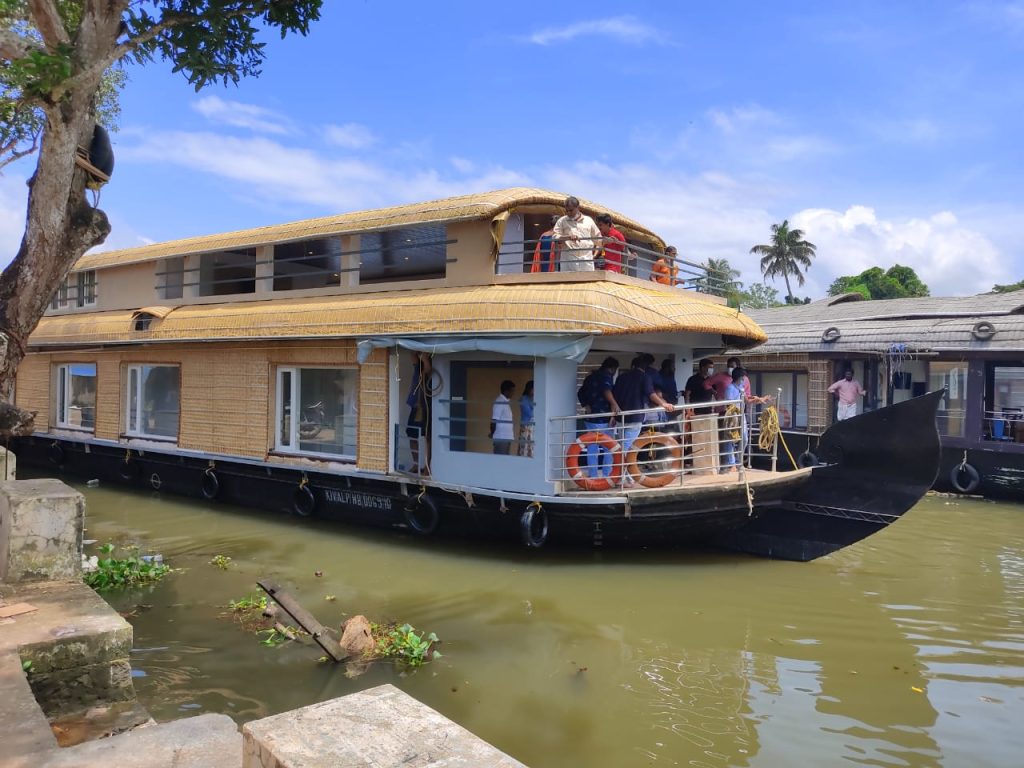
A standard, well-paced itinerary takes about 6 to 8 days. This typically allows you to land in Kochi, spend 2 nights in the hills of Munnar, 1 night in the wildlife sanctuaries of Thekkady, 1 night on an Alleppey houseboat, and wrap up with a day or two at the beach.
Here is a comprehensive overview of Kerala (Keralam), covering its geographical regions, major travel circuits, cultural highlights, and practical visitor information.
1. Key Destinations & Regional Highlights
A. Backwater Hubs & Canal Networks
- Alappuzha (Alleppey) & Kuttanad: Known as the “Venice of the East,” famous for Kettuvallam (houseboat) cruises, village canoe tours, and farming below sea level in Kuttanad.
- Kumarakom & Vembanad Lake: Serene backwater destination offering birdwatching at the Kumarakom Bird Sanctuary and luxury lakefront resorts.
- Munroe Island & Kollam: Scenic network of small islands and quiet canal routes ideal for kayaking and slow-paced village tourism.
B. Hill Stations & Plantations
- Munnar: High-altitude town renowned for sprawling tea estates, Eravikulam National Park (home to the Nilgiri Tahr), Anamudi peak, and Mattupetty Lake.
- Wayanad: Forested district featuring trekking trails (Chembra Peak), ancient rock etchings at Edakkal Caves, Banasura Sagar Dam, and tea/spice plantations.
- Thekkady (Periyar): Wildlife sanctuary hub known for boat safaris, elephant sightings, bamboo rafting, and spice garden walks.
- Vagamon & Nelliampathy: Less crowded hill stations with pine forests, rolling meadows, and orange plantations.
C. Heritage, Culture & Coastal Belts
- Kochi (Cochin): Historical port town featuring Fort Kochi, Mattancherry Palace (Dutch Palace), Chinese fishing nets, Jew Town, and Jew Street spice markets.
- Varkala & Kovalam: Varkala’s red cliffside beaches and mineral springs; Kovalam’s iconic Lighthouse Beach and surfing spots.
- Kannur & Kasaragod: Northern Malabar region known for Muzhappilangad (India’s longest drive-in beach), Theyyam ritual performances, and historic Bekal Fort.
2. Culture, Culinary & Wellness Highlights
- Ayurveda & Rejuvenation: Authentic Panchakarma treatments, herbal oil therapies, and yoga programs offered across certified wellness resorts and centers.
- Traditional Arts: Classical dance-drama (Kathakali), martial arts (Kalaripayattu), and ritualistic art forms (Theyyam).
- Kerala Cuisine: Flavors centered on fresh coconut, curry leaves, and regional spices.
- Traditional Vegetarian: The classic Sadya served on a banana leaf during festivals like Onam.
- Regional Specialties: Malabar Biryani, Appam with Stew, Karimeen Pollichathu (pearl spot fish in banana leaf), and Puttu with Kadala Curry.
3. Seasonal Travel Planning
| Season | Months | Climate & Ideal Activities |
|---|---|---|
| Peak Season | October to March | Pleasant and dry. Ideal for backwaters, hill stations, sightseeing, and beach holidays. |
| Monsoon Season | June to September | Heavy rains, vibrant greenery, and full waterfalls. Peak season for Ayurvedic therapies and slow travel. |
| Summer Season | April to May | Warm and humid coastal weather; pleasant in high-altitude zones like Munnar and Wayanad. |
Next Steps
To help tailor a detailed itinerary, logistics breakdown, or business proposal for Kerala, please share:
- What is the primary focus of your inquiry (e.g., travel itinerary planning, houseboat bookings, or property/hotel details)?
- Which specific region or travel duration are you interested in?