
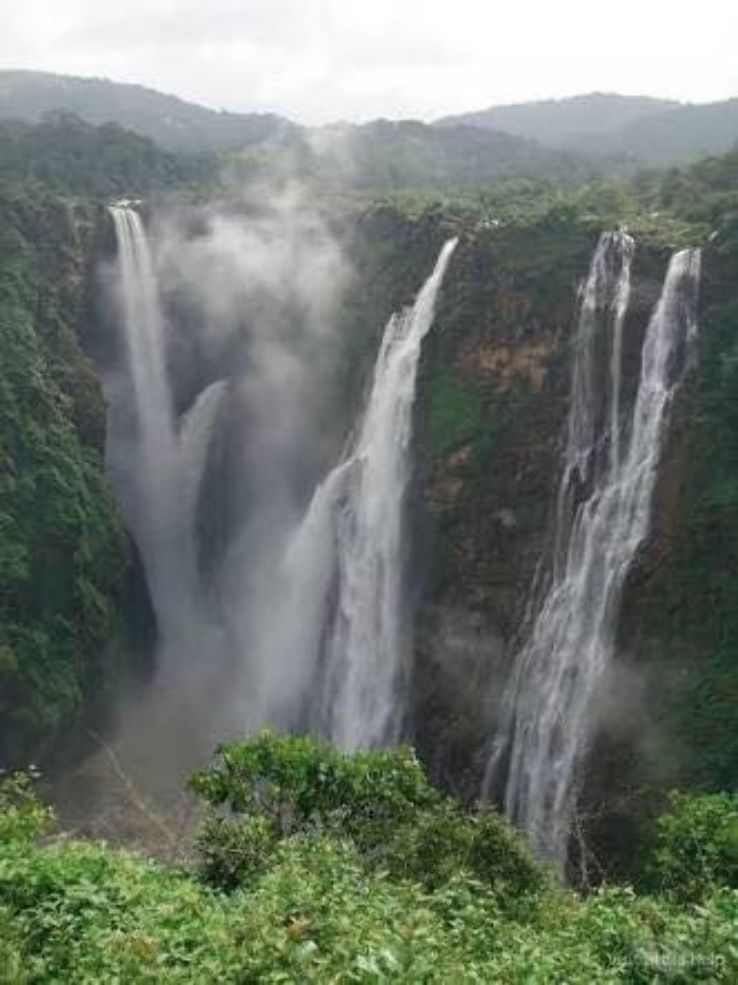
Khandala
While Lonavala is known as the “city of caves,” Khandala serves as the historic gateway. Perched at the very edge of the Bhor Ghat pass, its history is defined by the struggle to control this treacherous mountain passage that connects the coast to the interior.
The Historical Significance of Khandala
Khandala’s history is essentially the history of the Bhor Ghat—the most critical trade route between the Konkan ports and the Deccan Plateau for over 2,000 years.
The Bhor Ghat Trade Route
Ancient Era
For centuries, merchants used the Bhor Ghat pass to transport goods from coastal ports (like Chaul and Kalyan) to the interior. Khandala was the vital checkpoint at the top of this descent, serving as a rest stop and defensive buffer for ancient
Maratha Strategic Stronghold
1600s – 1818
During the Maratha Empire, Khandala was the “eyes and ears” of the nearby forts. It held a strategic vantage point to watch over troop movements coming up the Ghats. It served as a secondary defensive perimeter for the nearby invincible forts of Lohagad and Visapur.
The Great Indian Peninsula Railway
1860s
The British transformed the pass by engineering one of the most difficult railway inclines in the world. The railway expansion forced the development of Khandala as a logistical hub for the engineers and workers building the bridges, tunnels, and tracks that snake through the mountain cliffs here today.