
Kolhapur
Kolhapur, situated on the banks of the Panchganga River, is a land of profound spiritual heritage, martial valor, and revolutionary social reform. Known as Dakshin Kashi (the Kashi of the South) due to its ancient spiritual roots, it later evolved into a prominent princely state ruled by the direct descendants of Chhatrapati Shivaji Maharaj.
Chronological History
Kolhapur’s past transitions smoothly from an ancient religious sanctuary mentioned in the Puranas to the epicenter of a progressive Maratha branch.
Shilahara Dynasty & The Great Temple
7th Century – 12th Century CE
The region flourished under the Shilahara and Chalukya dynasties. The iconic Mahalakshmi (Ambabai) Temple was constructed during this era. Built in a distinct star shape, the temple reflects ancient Hemadpanti architectural style.
The Siege of Panhala
1660 CE
Chhatrapati Shivaji Maharaj captured the nearby Panhala Fort from the Adilshahi Sultanate. This triggered a legendary siege where Shivaji Maharaj was trapped for months before making a daring midnight escape through a dense downpour to Vishalgadh, aided by the ultimate sacrifice of Baji Prabhu Deshpande.
Establishment of the Kolhapur Throne
1710 CE
Following internal power dynamics within the Maratha Empire, Maharani Tarabai (the fierce daughter-in-law of Shivaji Maharaj) broke away from Satara and established an independent Kolhapur seat of the Maratha Empire, making Panhala and later Kolhapur city her capital.
The Golden Era of Shahu Maharaj
1894 – 1922 CE
Rajarshi Shahu Maharaj ascended the throne. A visionary reformer, he broke rigid caste hierarchies by introducing India’s very first affirmative action policy (50% reservation for backward classes in 1902), made primary education free and compulsory, and transformed Kolhapur into a hub for wrestling, arts, and textile commerce.
Iconic Historical Sites to Visit
- Mahalakshmi Temple (Ambabai): A highly revered Hindu pilgrimage site. Architecturally unique, its sanctum is aligned so that twice a year, the rays of the setting sun fall directly on the face of the stone idol of Goddess Mahalakshmi during an event called Kirnotsav.
- Panhala Fort: Located 20 kilometers from the city, it is one of the largest forts in the Deccan. It features the Teen Darwaza (a triple-layered stone gateway), vast granaries, and commanding views of the Sahyadri mountain passes.
- The New Palace (Chhatrapati Shahu Museum): Completed in 1884, this grand palace showcases an eclectic mix of Indo-Saracenic, Gothic, and Rajasthani architecture. The ground floor serves as a stunning museum housing royal artifacts, weaponry, and rare clothing.
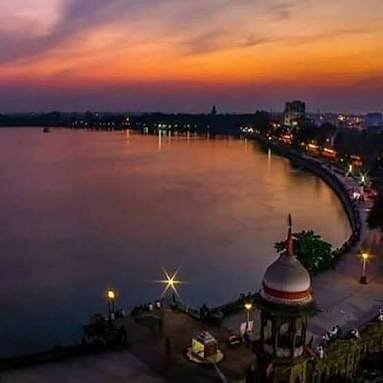
- Rankala Lake: Built by Shahu Maharaj to resolve the city’s water needs, this historic lake is flanked by the ornate Shalini Palace. Today, it serves as a central cultural and recreational hangout for the city.