
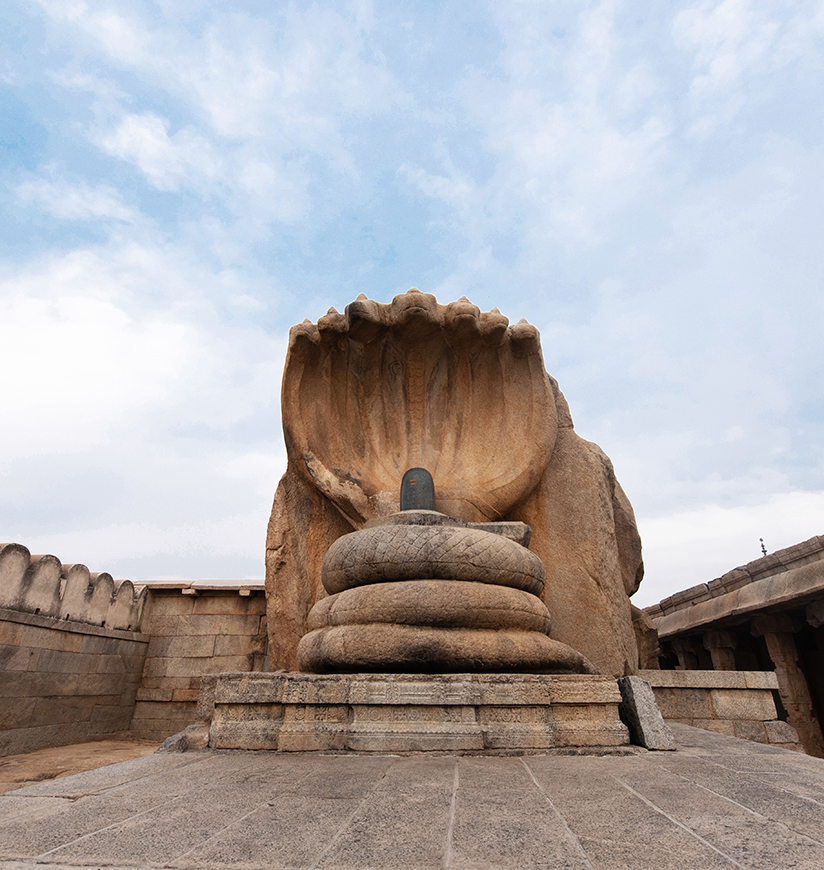
Lepakshi

Lepakshi

Historical Context of Lepakshi
​Located in the Anantapur district of Andhra Pradesh, India, Lepakshi is a small village of immense historical, architectural, and religious significance. Dating back to the 16th century, the site is a profound testament to the artistic heights of the Vijayanagara Empire.


​1. The Mythological Origins
​According to the ancient Indian epic, the Ramayana, Lepakshi is the spot where the giant demi-god bird Jatayu fell after being wounded by Ravana while trying to rescue Goddess Sita.
​When Lord Rama reached the spot and saw the brave bird, he compassionately said, “Le Pakshi” (which translates to “Rise, Bird” in Telugu). This gave the village its name.


​2. The Vijayanagara Architecture
​The core historical monuments—primarily the Veerabhadra Temple—were built between 1530 and 1545 AD by two brothers, Virupanna and Veeranna, who were high-ranking governors under the Vijayanagara King, Achyutaraya.
​The Masterpieces: The temple complex is internationally renowned for its exquisite stone carvings, monolithic structures, and sprawling, vibrant ceiling frescoes that depict scenes from the Puranas, the Mahabharata, and the Ramayana.
​The Monolithic Nandi: About 200 meters before the temple stands a massive Nandi (Lord Shiva’s bull) carved out of a single granite stone. Measuring 15 feet high and 27 feet long, it is one of the largest monolithic Nandis in the world

FAQs

Where is Lepakshi located, and how can I reach it?
Lepakshi is in the Anantapur district of Andhra Pradesh. It is highly accessible from Bengaluru (Bangalore), located about 120 km (a 2-to-3-hour drive) via the Bangalore-Hyderabad Highway (NH 44). The nearest railway station is Hindupur (14 km away).
What is the best time of year to visit Lepakshi?
The ideal time to visit is during the cooler months from October to March. Because the temple complex features wide-open stone courtyards, the rocks can get incredibly hot under the summer sun, making barefoot walking uncomfortable.
Are there entry fees or strict dress codes?
There is no entry fee for the Veerabhadra Temple. While there is no rigidly enforced traditional dress code, visitors are expected to dress modestly out of respect for the active place of worship. You must remove your footwear before entering the main temple complex.
What is the mystery of the "Hanging Pillar"?
The Hanging Pillar is Lepakshi’s most famous architectural marvel. Out of the 70 stone pillars in the temple hall, one does not fully touch the ground. There is a tiny gap at its base, allowing visitors to slide a thin piece of cloth or paper completely underneath it. It stands as a brilliant example of ancient seismic and architectural engineering.
Who is the main deity worshipped at the Lepakshi Temple?
The primary deity is Lord Veerabhadra, a fierce manifestation of Lord Shiva. The temple complex also contains shrines dedicated to Lord Shiva (as Papareshwara), Lord Vishnu (as Raghunatha), and Goddess Durga.
What is the story behind the giant footprint in the rock?
In the temple courtyard, there is a large, distinct footprint pressed deep into the stone floor, which is perpetually filled with a trickle of fresh water. Local folklore attributes this footprint to Goddess Sita.
Is photography allowed inside the temple?
Photography is permitted in the outer courtyards and around the magnificent rock carvings. However, photography is strictly prohibited inside the inner sanctum (Garbhagriha) where the main deity rests.

Price From : ₹400/-

Address

Near Avaloormadam temple, thathampally po, Pin code 688013, Alleppey, kerala, india