
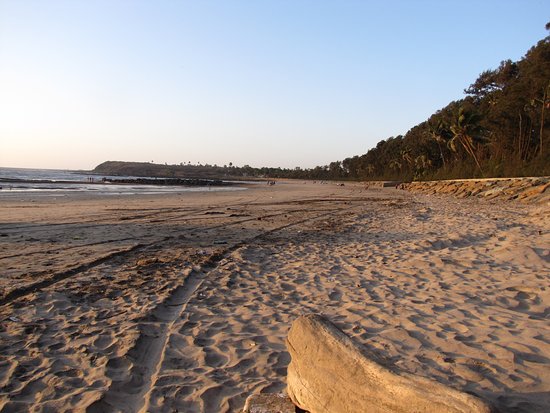
Manori and Gorai
Manori and Gorai are two historic, adjacent coastal villages located on the Dharavi Island peninsula in northern Mumbai. Though heavily integrated into modern Mumbai’s landscape, they have retained a distinct cultural and historical identity that sets them apart from the mainland city.
Historical Content
1. The Portuguese Legacy & East Indian Culture
The defining chapter of Manori and Gorai’s history began in the 16th century with the arrival of the Portuguese. The region became part of Portuguese Bassein (now Vasai).
- Franciscan and Jesuit missionaries heavily active in the area converted the local agricultural (Koli and Agri) populations to Roman Catholicism.
- When the British later took control of Bombay’s seven islands, these native Catholic communities under British rule chose to call themselves “East Indians” to distinguish themselves from Goan or Mangalorean Catholic immigrants who arrived later.
- Landmark churches like the Maji Mauli Church (Our Lady of Perpetual Succour) in Manori and Reis Magos Church (Three Wise Kings) in Gorai date their roots back to this era, exhibiting distinct Portuguese-Gothic architectural influences.
2. Maratha Conquest (1739)
In 1739, the Maratha Empire, led by Peshwa Baji Rao’s brother Chimaji Appa, successfully waged war against the Portuguese to conquer the Bassein region, which included Gorai and Manori. Under Maratha administration, religious freedom was restored, but the unique Luso-Indian (Portuguese-Indian) language, culinary blend, and lifestyle cultivated by the locals remained deeply intact.
3. Transition to Modern Mumbai
For centuries, these villages remained quiet, isolated islands reliant purely on salt panning, fishing, and palm-liquor tapping. It was only with the construction of connecting bridges and the establishment of local ferry services across the Manori Creek from Marve/Borivali that they transformed into the quick-getaway coastal resorts known today.