
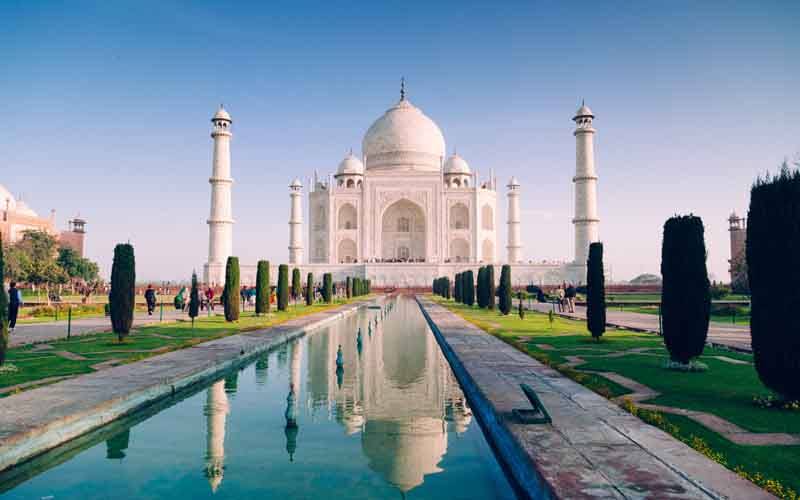
North India Tour Itinerary And Infrastructure Facilities
North India’s transportation and logistics infrastructure has undergone significant modernization. Upgrades across high-speed road corridors, high-altitude mountain tunnels, expanded airport hubs, and modernized rail networks make regional transit faster and more reliable.
1. Infrastructure Facilities in North India
Roads & High-Speed Expressways
Access-Controlled Expressways: Major corridors such as the Delhi–Mumbai Expressway, Delhi–Dehradun Economic Corridor, Ganga Expressway (Meerut to Prayagraj), Delhi–Amritsar–Katra Expressway, and the Dwarka Expressway dramatically cut travel times between major cities and pilgrimage centers.
High-Altitude Tunnels: All-weather access to remote Himalayan regions is enabled by landmark engineering projects like the Atal Tunnel (Manali to Lahaul-Spiti), Z-Morh Tunnel (Sonamarg, J&K), and Dr. Syama Prasad Mukherjee Tunnel (Jammu–Srinagar).
Railways & Urban Mass Transit
Semi High-Speed Rail: Premium Vande Bharat Express trains run on key North Indian routes connecting Delhi with Katra, Amritsar, Varanasi, Dehradun, Chandigarh, and Jaipur.
Station Modernization: Under the Amrit Bharat Station Scheme, major hubs (e.g., New Delhi, Varanasi, Ayodhya, Jalandhar) have been redesigned with airport-grade concourses and passenger facilities.
Metro Systems: The Delhi NCR Metro network (over 395 km) forms one of the world’s largest urban transit networks, complemented by rapid transit lines in Jaipur, Lucknow, Agra, and Kanpur.
Airports & Aviation
Major International Hubs: Indira Gandhi International Airport (DEL) in Delhi serves as the primary international gateway, backed by regional international airports in Amritsar, Jaipur, Chandigarh, and Lucknow.
Noida International Airport (Jewar): Expanded capacity for the National Capital Region (NCR) and Western Uttar Pradesh.
Regional Air Connectivity (UDAN): Connects smaller hill-station airstrips including Shimla, Kullu-Manali (Bhuntar), Kangra (Dharamshala), and Dehradun (Jolly Grant).
2. Frequently Asked Questions (FAQs)
What is the best way to travel between major North Indian cities?
For journeys under 300 km (e.g., Delhi to Agra, Jaipur, or Chandigarh), high-speed expressways via private cab/express bus or semi high-speed trains like the Vande Bharat or Shatabdi Express are the fastest and most convenient choices.
How have high-altitude tunnels improved travel in Himachal Pradesh and Jammu & Kashmir?
Tunnels like the Atal Tunnel bypass mountain passes (such as Rohtang Pass), cutting travel distances by tens of kilometers and keeping high-altitude destinations accessible year-round without seasonal snow closures.
Do I need special permits to visit certain North Indian destinations?
Yes. Certain border regions in Ladakh (e.g., Pangong Tso, Nubra Valley) and Himachal Pradesh/Uttarakhand near international borders require an Inner Line Permit (ILP) or Protected Area Permit (PAP), which can be applied for online or through local tourist authorities.
Is toll payment automated across North Indian highways?
Yes. National and state expressways rely on FASTag (an electronic RFID toll collection system). Most car rentals and taxis come equipped with FASTag auto-debit.
Additional
Provide a detailed itinerary and transit breakdown for traveling through the Himalayan circuit (Himachal Pradesh or Ladakh).
Here is a detailed 7-day travel itinerary and transit breakdown for the iconic Ladakh Himalayan Circuit, covering Leh, high-altitude mountain passes, the cold desert of Nubra Valley, and the high-altitude Pangong Lake.
7-Day Ladakh Circuit Overview
Day-by-Day Detailed Breakdown
Day 1: Arrival in Leh & Mandatory Acclimatization
Transit: Arrive at Kushok Bakula Rimpochee Airport. Pre-arrange a cab or hotel transfer to Leh town (approx. 15 minutes).
Activities & Health:
Strict Rest: Due to the sudden elevation change (3,500 meters / 11,500 feet), spend the entire morning and afternoon resting indoors to allow your body to adjust.
In the late evening, take a gentle walk through the local Leh Main Bazaar for light dinner and hydration.
Stay Options:
Boutique / Mid-Range: Hotel Grand Dragon, The Zen Ladakh, or Hotel Spic N Span.
Budget / Homestay: Tukcha traditional homestays.
Day 2: Leh Sightseeing & Monastic Heritage
Transit: Hire a local SUV or taxi for city sightseeing.
Sightseeing:
Hall of Fame,Leh: Visit the museum run by the Indian Army commemorating soldiers and showcasing Ladakhi culture.
Leh Palace: Tour the 17th-century former royal residence overlooking the town.
Shanti Stupa: Sunset visit to the white-domed Buddhist stupa offering panoramic views of the Leh valley and Stok Kangri mountain range.
Stay: Same hotel in Leh.
Day 3: Leh to Nubra Valley via Khardung La Pass
Transit: Morning drive via private 4×4 SUV (e.g., Innova or Scorpio) across Khardung La to Nubra Valley (approx. 125 km / 4.5 hours).
Sightseeing:
Khardung La: Stop briefly for photos at one of the highest motorable passes in the world (keep stops under 20 minutes to prevent high-altitude sickness).
Diskit Monastery: Visit the oldest and largest monastery in Nubra, featuring the giant 32-meter statue of Maitreya Buddha.
Hunder Sand Dunes: Experience a camel ride on double-humped Bactrian camels amidst high-altitude sand dunes.
Stay Options:
Luxury tented camps or eco-resorts in Hunder/Diskit (e.g., Nubra Ethnic Camp or Stone Hedge Hotel).
Day 4: Nubra Valley to Pangong Tso via Shyok River Valley
Transit: Drive from Hunder to Pangong Tso along the scenic Shyok River route (approx. 160 km / 5.5 hours).
Sightseeing:
Follow the rugged riverbed roads passing through remote Ladakhi villages like Agham and Durbuk.
Reach Pangong Tso (13,850 feet elevation) in the afternoon and spend the evening watching the changing colors of the high-altitude lake.
Stay Options:
Tented camps or wooden cottages along the shoreline in Spangmik or Lukung (e.g., Pangong Sarai or Pangong Wooden Cottage).
Day 5: Pangong Tso to Leh via Chang La Pass
Transit: Morning drive back to Leh via Chang La Pass (approx. 225 km / 5.5 to 6 hours).
Sightseeing:
Capture sunrise photos along the lake before departure.
Cross Chang La Pass (17,585 feet elevation).
En-route stops at Thiksey Monastery (resembling the Potala Palace of Lhasa) and Hemis Monastery.
Stay: Return to hotel in Leh.
Day 6: Sham Valley Excursion (Magnetic Hill & Sangam)
Transit: Local day drive along the Leh–Srinagar highway (approx. 50 km round trip).
Sightseeing:
Magnetic Hill: Observe the optical illusion where vehicles appear to roll uphill.
Sangam Point: View the confluence of the Indus and Zanskar rivers.
Gurudwara Pathar Sahib: Visit the historic Sikh pilgrimage center maintained by the Indian Army.
Stay: Same hotel in Leh.
Day 7: Departure from Leh
Transit: Short morning transfer to Kushok Bakula Rimpochee Airport for your return flight home.
Essential Transit Logistics & Permits
Protected Area Permits (PAP / Inner Line Permit): Required for all non-local tourists visiting restricted areas like Nubra Valley, Pangong Tso, and Khardung La. You can apply online via the official Leh administration portal or through local travel operators in Leh.
Vehicle Rules: Outside taxis (non-Ladakh registered) are generally only permitted for point-to-point transfers to Leh. For internal sightseeing (Nubra, Pangong), you must hire a local Leh-registered taxi/SUV or rent an authorized local rental motor bike.
Medical Considerations: Consult a doctor regarding preventive medication (such as Acetazolamide/Diamox) for Acute Mountain Sickness (AMS), stay hydrated, and avoid heavy physical exertion during the first 48 hours.