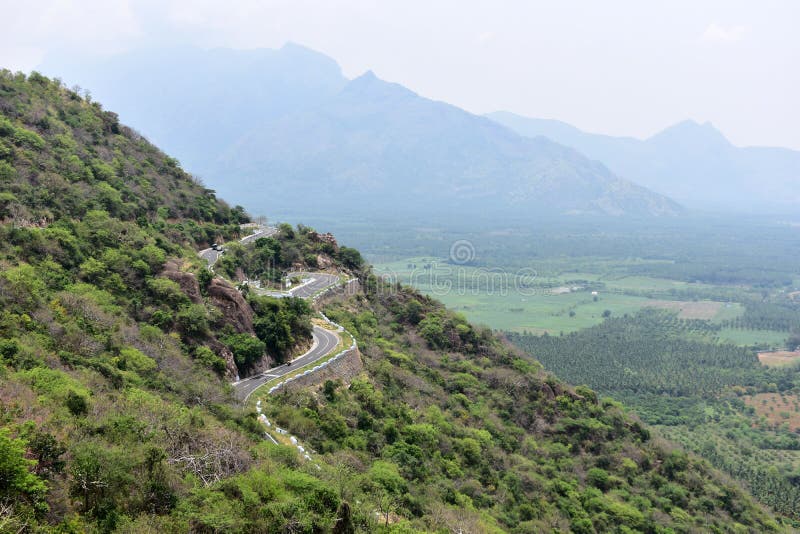
Location & Transport /Where exactly is Pooppara, and why is it called a junction town?
Pooppara sits at the intersection of the Munnar–Kumily Highway (SH 19) and the Kochi–Dhanushkodi National Highway (NH 85). It serves as a natural geographic hub: 30 km south of Munnar, 80 km north of Thekkady, and just 11 km west of the Bodimettu border checkpoint.
What is the closest railway station and airport to Pooppara?
Airport: Cochin International Airport (COK) is about 110 km away via the Kochi-Madurai highway. Madurai Airport (IXM) is roughly 135 km away.
Railway: The nearest major railheads are Aluva or Ernakulam (approx. 115 km) on the Kerala side, or Bodinayakanur (28 km) on the Tamil Nadu side for limited regional connectivity.
Sightseeing & Weather / What are the primary tourist attractions located closest to Pooppara?
Because of its central location, several major Idukki landmarks are just minutes away:
**Anayirankal Dam & Reservoir (4 km): A massive, picturesque dam surrounded completely by sprawling tea carpets, offering speedboating and coracle rides.
Mathikettan Shola National Park (Under 5 km): A unique eco-reserve dedicated to conserving ancient Shola forest ecosystems and a major migratory corridor for wild elephants.
Kallippara & Shalom Hills: Nearby viewpoints famous for off-road trekking and seasonal Neelakurinji or wild grass blooms
What is the weather like in Pooppara throughout the year?
Pooppara enjoys a highly pleasant, moderate hill climate.
October to March (Winter): The best time to visit. Temperatures hover between 15°C and 25°C with cool evening breezes and rolling morning mist.
April to May (Summer): Warm during the day but far cooler than the plains, making it a great escape.
June to September (Monsoon): The region receives intense rainfall which turns the spice plantations incredibly lush, though mountain driving requires extra caution.
Economy & Lifestyle / What is the main source of income in Pooppara?
The local economy runs almost entirely on Cardamom cultivation, supplemented by tea and pepper plantations. The unique damp forest canopy around Pooppara provides the exact microclimate needed for premium cardamom. More recently, eco-tourism and plantation homestays have emerged as major secondary economic drivers.
Is Pooppara culturally different from Munnar town?
Yes, slightly. While Munnar town has a massive British colonial imprint and a corporate tea estate layout, Pooppara features a distinct agrarian border culture. Due to its proximity to Bodimettu, there is a harmonious blend of Kerala and Tamil cultures, reflected in the local cuisine, festivals, and languages spoken (both Malayalam and Tamil are seamlessly used by nearly everyone).
What are the permitted trekking routes and budget accommodation options around Pooppara and Mathikettan Shola National Park?
Because Mathikettan Shola National Park is a protected biodiversity hotspot and a critical elephant corridor, independent walking is strictly prohibited. Ecotourism here is strictly regulated by the Kerala Forest Department in coordination with the local Muthavan tribal Eco-Development Committees (EDCs), providing excellent guided choices for trekkers and highly affordable community accommodations.
Permitted Trekking Routes in Mathikettan Shola
Trekking inside the park requires an official forest guide (provided at the forest check post/information centre). The local name Mathikettan translates to "mind confuser," referencing how the exceptionally dense forest canopy can cause hikers to quickly lose their bearings.
The Shola Forest Rain Trek (Core Route):
Distance/Duration: Approx. 6 to 8 km (3 to 4 hours).
The Experience: This is the primary permitted day-trek that takes you straight through the dense evergreen forest canopy, crossing pristine mountain streams like the Uchilikuthipuzha and Njandar. It is highly regarded for spotting rare mosses, endemic orchids, giant tree ferns, and vibrant birdlife (such as the Malabar Grey Hornbill).
Cost: Around ₹400 per person for Indian nationals (which covers entry and the mandatory EDC tribal guide).
The Border Walk / Crest Trail:
Distance/Duration: 4 to 5 hours.
The Experience: Tracks the higher ridges along the eastern periphery where the park borders the Tamil Nadu state line. This trail transitions from dark Shola forest patches into high-altitude montane grasslands, offering stunning panoramic views of the Bodi valley below.
Kattumala Trek (Highest Peak):
The Experience: Subject to seasonal forest fire risks and elephant activity, this guided trek leads to Kattumala, the highest point on the eastern boundary of the park (elevated between 1,200m and 1,500m). It requires prior clearance directly from the Wildlife Warden's office.
How to Book: Permits and guides are arranged directly at the Forest Ecotourism Point/EDC office near Pooppara (just off the Kochi-Madurai Highway) or can be pre-booked online via the official Kerala Forest Ecotourism portal.
Budget Accommodation Options
To experience the wilderness without paying premium resort prices, the best strategy is to stay in official Forest Department properties or local plantation homestays right around the Pooppara junction.
1. Official Government & Forest Stays (Most Immersive)
Forest Log Houses (Aduvilanthankudi, Surveykalppara, & Pethotty):
The Kerala Forest Department maintains basic, rustic eco-log houses directly on the fringes of the park and near the Muthavan tribal settlements.
Vibe: Deep forest isolation. Rates are highly economical and generally include basic traditional meals prepared by the tribal community committees.
Booking: Must be reserved in advance through the Wildlife Warden’s Office in Munnar or via the Kerala Forest Ecotourism website.
2. Pooppara Junction Budget Homestays & Lodges
Because Pooppara is a local trading town rather than a high-end tourist center like Munnar, standard budget rooms are easily accessible:
Plantation & Farm Homestays: Scattered around the Pooppara-Rajakumari road, multiple small cardamom farmers operate heritage rooms or extensions of their plantation homes. These typically cost between ₹1,200 to ₹2,000 per night and offer an authentic look at local life.
Local Town Lodges: Standard, no-frills budget rooms can be found right at the Pooppara junction. While they lack valley views, they provide a very inexpensive, functional base camp close to local eateries, public transit, and the national highway.
Essential Trekking Tips
Leech Protection: The damp, pristine microclimate of the Shola forest means leeches are incredibly common. Always wear thick socks, sturdy trekking shoes, and consider carrying lime, salt, or wearing leech gaiters.
Wildlife Protocols: Always listen to your EDC tribal guide. Mathikettan is a highly active elephant strip; staying quiet and respecting the guide's instructions on the trail is paramount for safety.