
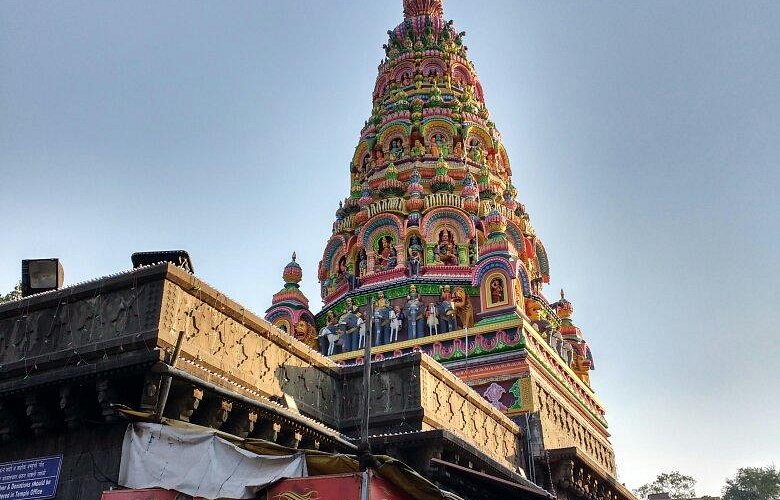
Shani Shingnapur

Shani Shingnapur

Shani Shingnapur, situated in the Ahmednagar district of Maharashtra, is globally renowned for its unique architectural tradition: a village where houses, commercial shops, and even banks have no doors or locks.
​This practice stems from a profound historical and spiritual belief in the protection of Lord Shani (the personification of the planet Saturn).

Historical & Mythological Origins

​1. The Emergence of the Swayambhu Idol

​The unique traditions of the village trace back to a legendary event believed to have occurred roughly 300 to 400 years ago. According to local lore, after a period of severe flooding from the Panasnala River, a heavy, five-foot-tall black stone slab washed ashore.

​When a local shepherd touched the stone with a sharp rod, it began to bleed. That night, Lord Shani appeared in the village chief’s dream, revealing that the stone was his Swayambhu (self-manifested) idol.


​2. The Commandment of the Open Air

​When the villagers offered to build a grand temple structure to protect the stone, Lord Shani reportedly declined. He stated that he required no roof over his head, as the entire sky was his canopy, and commanded that the idol remain out in the open so he could keep a direct watch over the village.

3. The Origin of the Doorless Houses

​Along with the instruction to keep the shrine open, Lord Shani promised the villagers absolute protection from theft, fraud, and natural disasters. Confident in this divine shield, the residents completely discarded heavy wooden doors, frames, and locks from their homes. To this day, most residences feature only a simple curtain or a loose wooden panel to keep out stray animals.

FAQs

Is it true that no thefts happen in Shani Shingnapur?
Local lore maintains that anyone attempting a theft in the village faces the immediate wrath of Lord Shani (Shani Drishti), leading to bad luck, mental imbalance, or blindness. While the village has maintained a nearly zero-crime reputation for generations, minor instances of modern theft (like stolen cell phones or vehicles from parking lots outside the village perimeter) have occasionally been reported as tourism grew.
How do commercial properties and banks operate here without doors?
Local businesses leave their cash counters unlocked overnight. Most notably, in 2011, UCO Bank opened India's first "lockless" branch in the village. It features an open glass entrance with no conventional physical lock. However, to comply with modern legal and financial regulations, the bank safely secures its physical currency inside a hidden, high-tech underground vault.
Are there any specific clothing or entry restrictions at the shrine?
Yes. Historically, only men were permitted on the immediate elevated platform (chabutra) holding the idol, and they were required to wear wet saffron-colored dhotis after taking a ritual bath. Following a historic legal ruling, women are now legally allowed on the platform as well. Most general visitors choose to take darshan from a designated barrier just a few feet away.
What is the best time of year to visit Shani Shingnapur?
The village can be visited year-round, but September to March offers the most comfortable weather for outdoor travel. The village sees its largest peak in tourism during Shani Amavasya (a new moon day falling on a Saturday) and during the annual Shani Jayanti festival, when hundreds of thousands of pilgrims arrive.
How far is Shani Shingnapur from Shirdi and how do I get there?
Shani Shingnapur is located approximately 70 km from Shirdi, making it an incredibly popular day-trip extension for pilgrims visiting the Sai Baba Temple. The best way to travel between the two sites is by hiring a private taxi or taking a state-transport bus, which takes about 1.5 to 2 hours.
What are the main rituals performed at the temple?
The primary ritual involves performing a Tailabhishek—pouring mustard or sesame oil directly onto the black stone idol to ward off the negative effects of Shani Dasha (Saturn's astrological phases). Visitors also offer black cloth, horse-shoe rings, and boondi laddus as traditional offerings.
Create a scannable 1-day travel itinerary combining Shirdi Sai Baba temple and Shani Shingnapur with transit times?
This highly optimized 1-day pilgrimage itinerary is designed for families to smoothly balance the divine atmosphere of Shirdi and the doorless wonders of Shani Shingnapur. Hiring a private taxi or cab for the day is highly recommended to stick strictly to the timeline. ​ Master Timeline Summary ​06:00 AM – 09:30 AM: Shirdi Sai Baba Darshan & Breakfast ​09:30 AM – 11:30 AM: Transit: Shirdi to Shani Shingnapur (approx. 2 hours) ​11:30 AM – 01:30 PM: Shani Shingnapur Darshan & Village Exploration ​01:30 PM – 02:30 PM: Lunch at a local highway dhaba ​02:30 PM – 04:30 PM: Transit: Shani Shingnapur back to Shirdi (approx. 2 hours) ​04:30 PM onwards: Evening shopping or return journey from Shirdi ​Step-by-Step Itinerary ​Shri Sai Baba Samadhi Mandir Begin your pilgrimage at the world-renowned Shri Sai Baba Samadhi Mandir in Shirdi. Arriving for an early morning slot ensures you skip the intense midday queues and secure a smoother experience for the family. ​Time Allocation: 06:00 AM – 09:00 AM (approx. 3 hours for security, waiting lines, and peaceful darshan). ​What to Do: Visit the main Samadhi hall to see the marble idol of Sai Baba, sit briefly under the sacred Neem tree (Gurusthan), and view historical artifacts preserved inside the museum. ​Family Breakfast: Grab a quick, traditional breakfast (like Poha, Misal Pav, or Idli) at a restaurant right outside the main temple gate before boarding your vehicle. ​Transit: Shirdi to Shingnapur ​Departure Time: 09:30 AM ​Duration: Approx. 1.5 to 2 hours (73 km via the Rahuri - Shani Shingnapur road). ​Family Note: The road is relatively well-maintained. Watch for lush sugarcane fields stretching along the highway. ​Shree Shanidev Temple, Shani Shingnapur Arrive at Shree Shanidev Temple to witness the completely open-air platform holding the Swayambhu black granite idol of Lord Shani. ​Time Allocation: 11:30 AM – 01:30 PM (2 hours for rituals and village sightseeing). ​The Rituals: Purchase a small container of mustard oil, black cloth, and sesame seeds from the local stalls to perform the traditional Tailabhishek (oil offering). ​Explore the Village: Take a short walk or auto ride with your family down the residential lanes. Observe the fascinating architecture of doorless houses, shops, and the local open-gate commercial bank. ​ Lunch & Return Transit ​Lunch (01:30 PM – 02:30 PM): Stop at a nearby local restaurant or a Maharashtrian-style highway dhaba to enjoy a hearty family lunch of Pithla Bhakri or traditional Thali. ​Return Transit (02:30 PM – 04:30 PM): Head back to Shirdi via taxi. Use this time to rest and escape the intense afternoon heat. ​ Essential Travel Rules for Families Book Shirdi Online: Always book your Shirdi Darshan time slots online weeks in advance via the official Shri Saibaba Sansthan Trust portal. This drastically saves your family from waiting 4 to 5 hours in line. ​Mobile Restrictions: Cell phones, cameras, and large electronics are strictly prohibited inside the Shirdi temple complex. Leave them locked safely inside your taxi or use the official cloakrooms before entering. ​Beware of Oil Scams: In Shani Shingnapur, roadside vendors may aggressively push large, expensive buckets of oil for rituals. Politely decline and purchase standard, fixed-price oil offerings directly from authorized temple trust stalls instead.

Price From : ₹4500/-

Address

Near Avaloormadam temple, thathampally po, pin code 688013, Alleppey, Kerala, India