
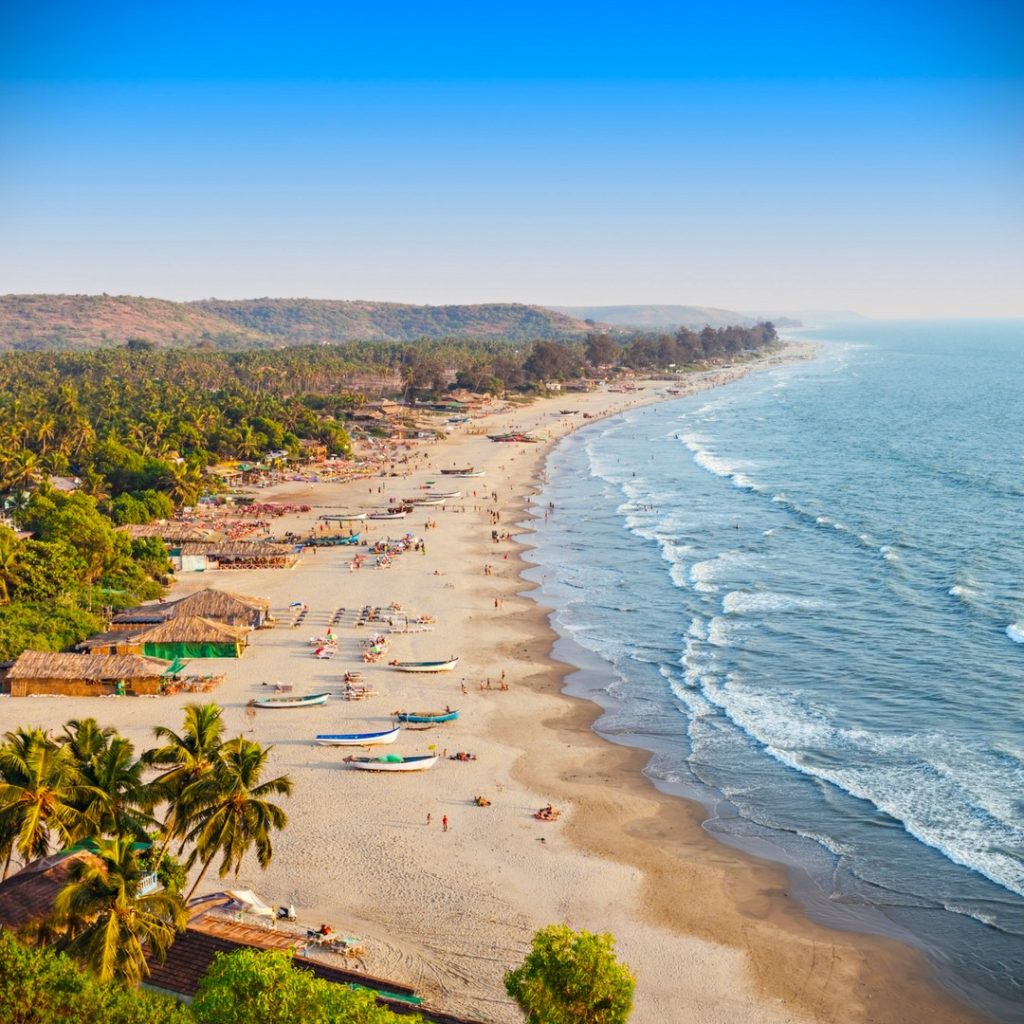
South Goa
South Goa is widely recognized for its laid-back charm, pristine, eco-conscious beaches, and dense forest reserves. However, to support its growing popularity among slow-travelers, digital nomads, and premium tourists, the district relies on a robust network of civic, transport, and commercial infrastructure.
Infrastructure Facilities in South Goa
1. Transport & Connectivity
- Air Transit: Dabolim Airport (Goa International Airport) is physically located in South Goa (near Vasco da Gama). It serves as a major gateway for domestic flights and international charters.
- Rail Network: Madgaon Railway Station (Margao) is the primary railway junction for the entire state of Goa. It provides excellent connectivity to major Indian metros via the Konkan Railway network.
- Roadways & Major Upgrades: South Goa is connected via National Highway 66 (NH-66). A major ₹1,880 crore central investment is expanding key stretches, including a massive 6-lane elevated corridor and new railway overbridges to ease traffic bottlenecks.
- Public Transit Links: The KTC Bus Stand at Margao acts as the central hub linking rural South Goan villages and coastal belts to the rest of the state.
2. Utilities & Civic Systems
- Water Management: The Salaulim Dam (near Sanguem) is the primary water reservoir for South Goa. Recent infrastructure upgrades include new 100 MLD (Million Liters per Day) water treatment plants to secure uninterrupted urban and coastal supply.
- Power & Waste Management: Unlike the heavily commercialized North, South Goa’s coastal villages utilize localized waste collections. A major state-level wholesale fish market infrastructure project is underway in Margao to improve regional sanitation and trading logistics.
- Digital Infrastructure: While deep rural areas historically faced coverage gaps, recent expansions—including new 4G and 5G mobile towers in places like Quepem—have significantly stabilized the district’s remote internet connectivity.
3. Healthcare Facilities
- District Hospital, Margao: A massive, modern 500-bedded multi-specialty facility that handles major healthcare needs for the southern population.
- Primary Health Network: A grid of Community Health Centres (CHCs) and Rural Medical Dispensaries (e.g., in Canacona, Rivona, and Candolim) provides localized medical care across coastal and interior talukas.
4. Hospitality & Tourism Facilities
- Eco-Tourism Infrastructure: South Goa features heavily regulated eco-shelters, especially around wildlife sanctuaries like Cotigao and turtle nesting sites like Galgibaga and Agonda.
- Luxury & Mid-tier Accommodations: Areas like Cavelossim, Mobor, and Varca house premium 5-star luxury resort clusters, while Palolem and Benaulim offer extensive networks of beachfront wooden cottages and mid-range seasonal shacks.