
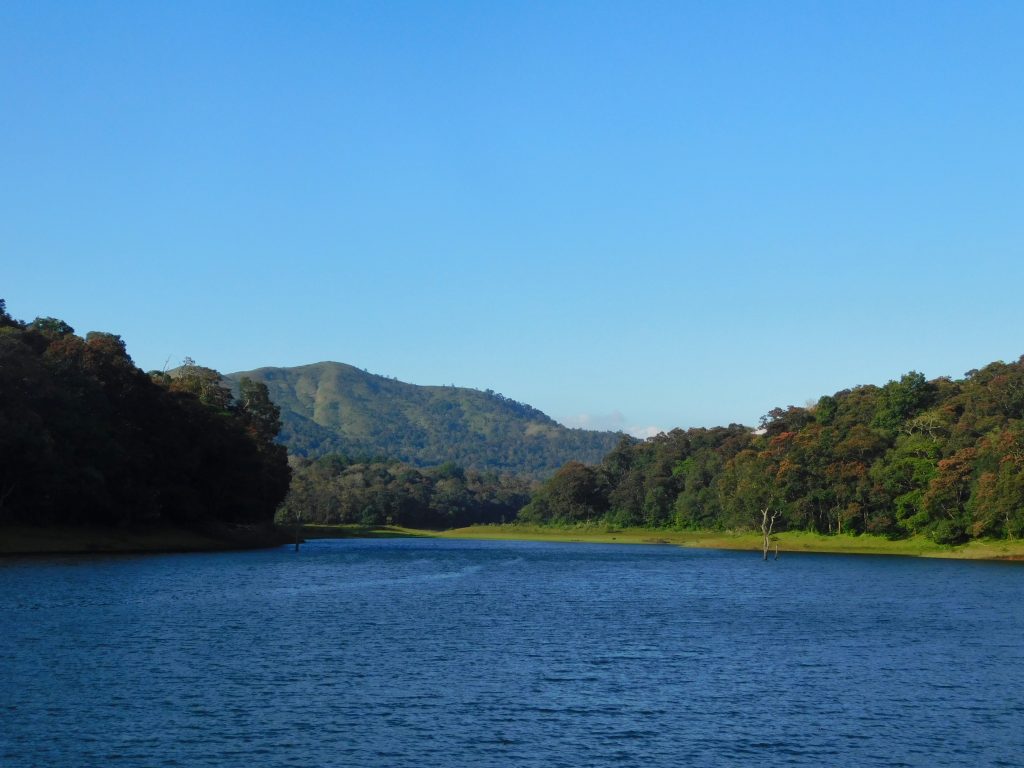
Thekkady

Thekkady

Thekkady is one of India’s most fascinating destinations, blending ancient history, colonial engineering, and world-class wildlife conservation.

The Historical Journey of Thekkady

​1. Ancient Roots and Tribal Sovereignty

​Before it became a globally renowned tourist hub, the dense evergreen forests of the Periyar valley were inhabited primarily by indigenous tribal communities (including the Mannans and the Palians). For centuries, these communities lived in harmony with the wilderness, relying on traditional forest produce and hunting.

​Up until the 12th century, the region fell under the cultural and political influence of the Pandya Dynasty, who ruled from Madurai. Later, the territory became part of the local kingdoms, notably the Thekkumkoor Kingdom (centered around nearby Kumily, then known as Kuzhumoor) and eventually came under the governance of the Poonjar Kings.

​2. The Turning Point: The Mullaperiyar Dam (1895)

​The modern geography and history of Thekkady were forever altered in the late 19th century under British rule. To divert water from the west-flowing Periyar River to the drought-prone regions of Madurai in Tamil Nadu, the British administration constructed the Mullaperiyar Dam in 1895.

  • ​This massive engineering project flooded a portion of the forest valley, creating the iconic, sprawling Periyar Lake.
  • ​The submerged trees, whose skeletal remains still pierce the water’s surface today, created a highly unique ecosystem that drew wildlife down to the water’s edge.

​3. The Royal Sanctuary and Project Tiger (1934–1978)

​Recognizing the rapid influx of hunters and the wealth of the local fauna, the Maharaja of Travancore, Chithira Thirumal Balarama Varma, took progressive steps to protect the zone:

  • 1934: The region was declared a private royal game reserve named the Nellikampathy Sanctuary.
  • 1950: After India’s independence, it was expanded and renamed the Periyar Wildlife Sanctuary.
  • 1978: The sanctuary achieved global conservation prominence when it was integrated into India’s Project Tiger, officially transforming it into the Periyar Tiger Reserve.

FAQs

What does the name "Thekkady" mean?
​The name is deeply tied to its natural landscape. It is derived from the local Malayalam words "Thekku" (meaning teak wood) and "Adi" (meaning bottom or foot). Essentially, it translates to "at the foot of the teak trees," paying homage to the massive teak plantations that populate the region.
What is the difference between Thekkady and Kumily?
​While often used interchangeably by travelers, they are technically distinct: ​Kumily is the vibrant plantation town situated right on the Kerala–Tamil Nadu border. It serves as the commercial hub full of spice markets, hotels, and restaurants. ​Thekkady is located just 4 km away and specifically refers to the immediate periphery and entry point of the Periyar Tiger Reserve.
What are the absolute must-do activities in Thekkady?
​Thekkady is a haven for both adventure seekers and cultural enthusiasts. The top experiences include: ​Periyar Lake Boat Safaris: The classic way to spot wild elephants, gaurs (Indian bison), and otters along the banks. ​Bamboo Rafting & Border Hiking: Eco-tourism programs managed by the forest department that take you deep into the reserve. ​Spice Plantation Tours: Guided walks through gardens growing fresh cardamom, black pepper, cinnamon, and vanilla. ​Kathakali & Kalaripayattu Shows: Daily cultural performances showcasing Kerala's traditional dance-drama and ancient martial arts at local centers.
When is the best time to visit Thekkady?
​The peak season runs from October to February when the weather is pleasantly cool and misty, with temperatures ranging from 15°C to 21°C. ​Summer (March to May) gets warmer but is excellent for wildlife sightings as animals gather near the drying lake. ​Monsoon (June to September) brings heavy rainfall and lush, intense greenery, though outdoor trekking tracks may be restricted.
How do travelers reach Thekkady since it has no direct rail or air connection?
​Thekkady relies on road connectivity from neighboring transit hubs: ​By Train: The nearest railway station is Kottayam, located about 110 km away. ​By Air: The closest domestic airport is Madurai (136 km), while the closest international gateway is Cochin International Airport (Kochi), roughly 145–190 km away depending on the route. Many travelers couple a Thekkady visit directly with a trip from Munnar, which is a scenic 92 km drive away via the SH-19 highway.

Price From : ₹400/-

Address

Near avaloormadam temple, thathampally po, pin code 688013, Alleppey, Kerala, India